
Classic Car Maintenance and Records
How classic car maintenance differs from modern servicing, what a restoration log should contain, and why documented history drives what a classic sells for.
Classic car maintenance runs on time, not mileage
A classic that covers 800 miles a year still needs annual service, because the things that kill an old car are sitting still, moisture, and ethanol, not wear. Oil picks up acids and condensation whether or not the car moves, brake fluid absorbs water from the air, rubber hardens, and fuel goes stale in months. Classic car maintenance is a calendar exercise with a mileage footnote.
The maintenance list is also longer than a modern car's. Carburettors need adjusting, points and timing need setting on pre electronic ignition cars, grease fittings need a gun every few thousand miles, and valve clearances need checking. None of it is difficult. It just has to happen, and it has to be written down or you will lose track of what you adjusted last spring.

The annual service list for an older car
Once a year, regardless of miles: engine oil and filter, a look at every fluid level, brake fluid every two years since it is hygroscopic, coolant on the schedule for the type in the system, and a full grease job on cars with fittings. Add a tune up on a points car, a fuel filter, and an inspection of every rubber hose and belt for hardening or cracks.
Tires deserve their own paragraph, because classic tires almost always time out with full tread. Six to ten years is the practical ceiling, and a period correct tire that looks perfect can still be dangerously old. Read the DOT date code, write it in your log, and plan the replacement as a maintenance item rather than a surprise.
Storage, fuel, and the ethanol problem
Modern pump fuel with ethanol attracts water and attacks old rubber fuel lines, cork floats, and some carburettor components. Cars stored over winter want either a full tank with stabiliser or, on some setups, a drained carburettor bowl. A battery tender keeps the battery alive, and tires want correct pressure and either movement or flat spot protection.
Damp storage does more damage than any road mile. A car cover over a wet concrete floor traps moisture against the panels, so a moisture barrier under the car and some airflow beat a heavy cover. Start it and drive it properly every few weeks if you can, since brief idling in a garage does more harm than good by leaving condensation everywhere.
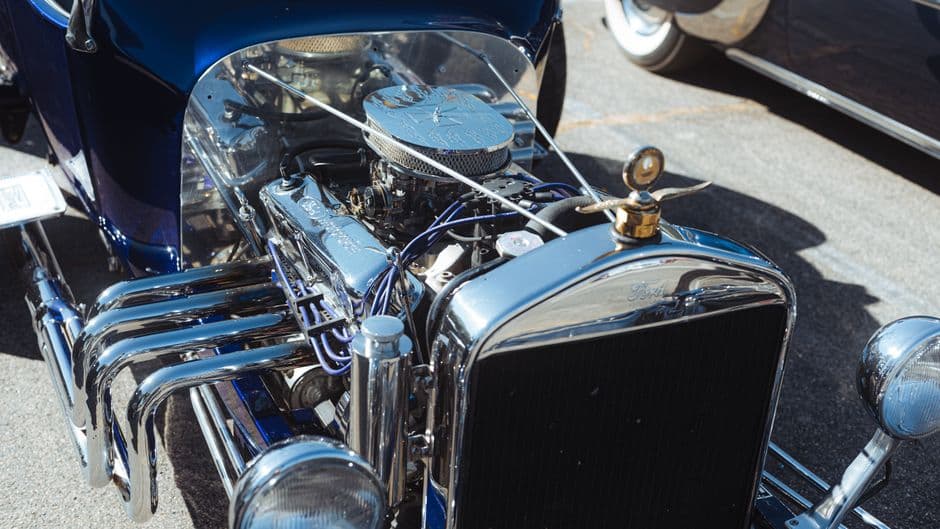
What a restoration log should contain
A restoration log is a parts and decisions record, not a diary. For every job note the date, the mileage, what was done, the part numbers and suppliers, what it cost, and whether the part is original, reproduction, or an upgrade. Photograph the work in progress, especially anything that ends up hidden behind panels or paint.
The originality notes matter most at sale time. A buyer wants to know whether that alternator is a period correct rebuild or a modern conversion, whether the paint is original colour, and what the engine internals actually are. Documenting deviations honestly is worth more than pretending the car is untouched, because the first hour of a serious inspection will find them anyway.
Documentation is a large part of the value
In the classic market, two identical cars with different paperwork are not worth the same money. Receipts, photos, a build sheet, previous owner records, and a clear account of what was rebuilt and when all reduce a buyer's risk, and reduced risk shows up directly in the price. Hagerty's market coverage is a good read on how condition and provenance move classic values, and Consumer Reports covers the general case for keeping service records on any vehicle.
Insurance is the other reason to document. Agreed value policies need evidence of what the car is and what went into it, and a folder of dated receipts and photos is exactly the evidence an appraiser wants. Rebuilding that folder after a claim is not a project anyone enjoys.
Keeping the record somewhere it survives
Shoeboxes of receipts fade, and a spreadsheet on one laptop is one hard drive failure away from gone. Whatever you use should hold photos next to the entries, survive the car outliving the tool, and be easy enough that you record the small jobs too. The small jobs are the ones that prove a car was cared for continuously.
Wheelscribe gives each car one timeline with photos and receipts attached to individual entries, which suits a classic that gets a rebuild one year and an oil change the next. See what that looks like against a spreadsheet, read how service records support a sale, or borrow the tracking habits from our guide to what belongs in a maintenance log.
Frequently asked questions
How often should a classic car be serviced?
At least once a year, even if it barely moves. Oil collects moisture and acids while sitting, brake fluid absorbs water from the air, and rubber hardens with age. Time based servicing matters far more than mileage on a car that covers a few hundred miles a season.
Does ethanol fuel damage classic cars?
It can. Ethanol attracts water and degrades older rubber fuel lines, seals, and some carburettor parts. Use ethanol free fuel where you can find it, add a stabiliser for storage, and replace old rubber lines with ethanol resistant modern equivalents.
How long do classic car tires last?
Six to ten years, based on the DOT date code rather than tread depth. Low mileage classics almost always time out with plenty of tread left. Old rubber hardens and cracks internally, so a tire that looks perfect can still fail at speed.
What should go in a restoration log?
Date, mileage, the work done, part numbers and suppliers, cost, and whether each part is original, reproduction, or an upgrade. Add photos of work in progress, especially anything that gets hidden later. Keep receipts attached to the entry they belong to.
Do maintenance records increase a classic car's value?
Yes, often substantially. Documentation reduces a buyer's risk by proving what was rebuilt, when, and with which parts. Two otherwise identical cars sell for different money when one has a complete history and the other has a story and no paperwork.
How should I store a classic car over winter?
Dry storage with a moisture barrier under the car, a battery tender, fuel stabiliser or a drained carburettor bowl, and correct tire pressures. Avoid brief idle sessions in a closed garage, since they leave condensation in the oil and exhaust without warming anything properly.
Start logging your car's history
One car, unlimited entries, free forever. See pricing for what Pro adds.
Create free account