
Diesel Emissions System Maintenance Guide
Diesel emissions system maintenance covers DPF regen, DEF top-offs, EGR care, fuel filters, and glow plugs that keep a diesel running clean.
What diesel emissions system maintenance actually covers
Diesel emissions system maintenance is the ongoing work of keeping the diesel particulate filter (DPF), the diesel exhaust fluid (DEF) system, the EGR valve, the fuel filter and water separator, and the glow plugs all doing their jobs at once. Skip one long enough and the others start compensating, which is usually how a simple DEF top-off turns into a forced regen appointment and a derated engine on the shoulder of the highway.
None of these parts are exotic. They're plumbing, sensors, and a filter element, the same general category as an oil change, just with less forgiving failure modes. A modern diesel won't let you ignore them for long: the dash starts narrowing your options with a countdown well before it narrows your speed.
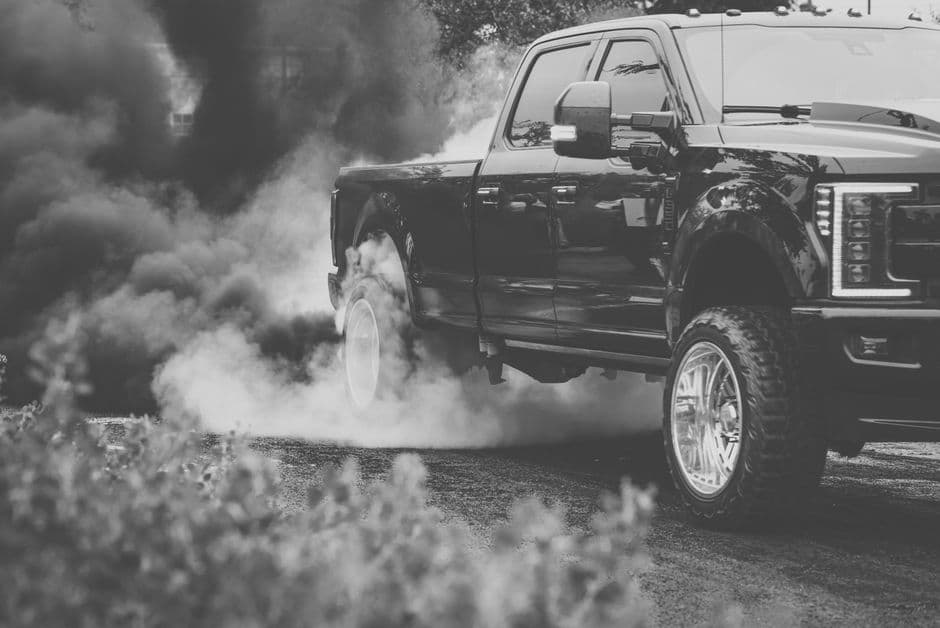
DPF regeneration: passive, active, and forced
The diesel particulate filter traps soot from the exhaust stream, and it clears itself through regeneration: burning that trapped soot down to a small amount of ash. Passive regen happens on its own at sustained highway speed, when exhaust temperatures run hot enough to do the job without any help from the engine computer.
Active regen kicks in below that threshold. The ECM adjusts fuel delivery and timing to raise exhaust temperature and burns the filter clean while you keep driving, usually without you noticing. Forced regen is the fallback: if soot keeps climbing anyway, often from short trips or a lot of idle time, a dash warning appears and the truck needs a stationary regen cycle, sometimes run through a diagnostic tool. The EPA's technical bulletin on diesel particulate filters describes this same combustion process regardless of which of the three triggers it. Continuing to drive through that warning is how a filter that could've been cleaned ends up needing full replacement instead.
Diesel exhaust fluid: topping off the SCR system
Diesel exhaust fluid is a urea-water solution injected into the exhaust stream ahead of the SCR catalyst, where it breaks down NOx into nitrogen and water vapor. Most diesels burn through DEF at roughly 2 to 3 percent of fuel consumption, so a truck that empties a full tank of diesel between fill-ups goes through well under a gallon of DEF over the same stretch.
Store spare jugs somewhere between about 12 and 65 degrees Fahrenheit: heat above 86°F shortens DEF's shelf life, and it freezes around 12°F. Frozen DEF thaws back to full strength, so a frozen jug in the truck bed isn't ruined, just inconvenient until it warms up, as Heavy Duty Trucking's guide to DEF storage explains. Top it off before the gauge bottoms out. Most systems count down hard once DEF runs low and will cut engine power, not just light up the dash, once it's actually empty.
EGR valve care: why diesels clog theirs faster
The EGR valve routes a portion of exhaust gas back into the intake to lower combustion temperatures and cut NOx formation. Diesel exhaust carries more soot than gasoline exhaust, so the valve and its passages gum up faster, especially on trucks that spend a lot of time idling or making short trips that never get the system fully hot.
A clogged EGR shows up as a rough idle, hesitation or stalling at low speed, a noticeable drop in power on the highway, and sometimes black smoke under acceleration. Plenty of other problems can cause the same symptoms, so it's worth having the valve checked rather than guessing. Still, a valve that's stuck open or caked in carbon is common enough that it's usually one of the first things a diesel shop rules out.
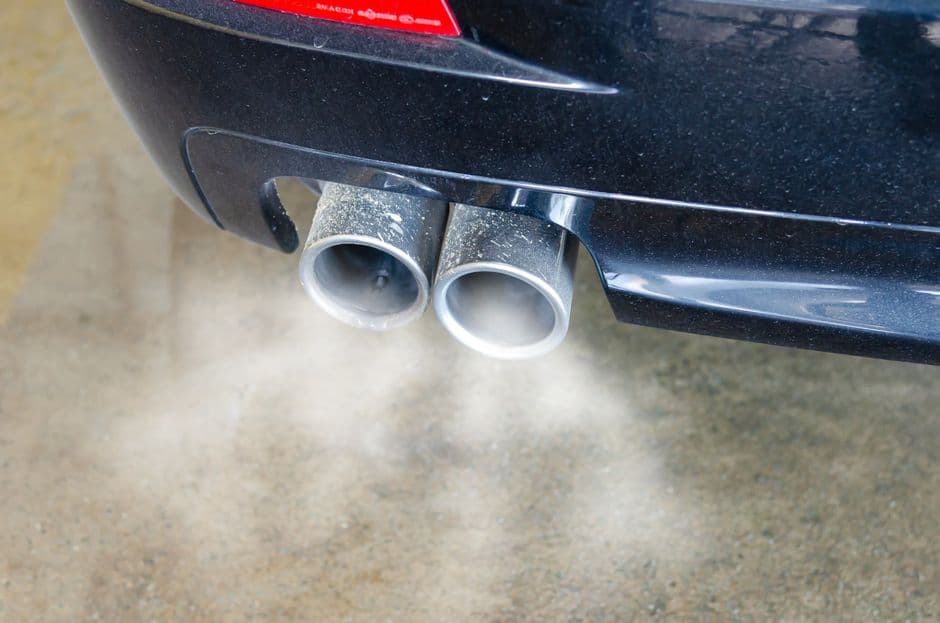
Fuel filter and water separator service
Diesel fuel injection systems run at far higher pressure than gas engines, which makes them far less tolerant of water and debris getting through. The fuel filter and water separator exist to catch both before they reach the injection pump, and a water separator that's allowed to fill up can send water straight into components that are expensive to replace.
Drain the water separator on whatever schedule your dash or owner's manual calls for. Full filter replacement intervals vary a lot by manufacturer, commonly somewhere in the 15,000 to 45,000 mile range, so check the specific number for your engine rather than assuming. A water-in-fuel warning light isn't one to plan around: drain it the same day it comes on.
Glow plugs and cold-start reliability
Glow plugs heat the combustion chamber before startup so injected fuel can ignite in a cold cylinder, which is why diesels need them and gas engines don't. A plug that's failing tends to show itself on cold mornings first: a longer crank before the engine catches, white or blue smoke for the first few seconds, and a rough idle that smooths out once things warm up.
Manufacturers generally spec glow plug replacement somewhere between 60,000 and 100,000 miles, though heat cycles matter more than mileage alone, so a plug can fail well outside that range too. One bad plug is usually enough to notice; replacing the rest of the set at the same time saves a second round of labor later.
Keeping it on a schedule, not just a warning light
A DEF top-off, a fuel filter swap, and an EGR cleaning all mean more once you can see how far apart they actually happened, since a drifting interval is often the first sign something's wearing faster than it should. Track them together instead of as isolated jobs, and that pattern shows up before the dash forces the issue. Our truck maintenance guide for gas and diesel pickups and our semi truck maintenance schedule for owner-operators both cover where the emissions system fits into the rest of a truck's maintenance calendar.
Wheelscribe's entry form logs the date, mileage, and cost for jobs like these the same way it logs an oil change, so a DPF regen or a DEF fill shows up in the same timeline as everything else on the truck. It's free to start, and the FAQ covers the setup questions most owners ask first.
Frequently asked questions
What counts as diesel emissions system maintenance?
It covers the diesel particulate filter, the diesel exhaust fluid (DEF) and SCR system, the EGR valve, the fuel filter and water separator, and the glow plugs. These parts work together to control exhaust emissions and cold-start performance, so a problem in one often shows up as a symptom in another.
How often does a DPF need to regenerate?
Passive and active regen happen automatically during normal driving, often without you noticing. Forced regen is only needed when soot builds up faster than those two can clear it, which usually shows up as a dash warning light rather than a fixed interval.
How often should I top off diesel exhaust fluid?
There's no fixed schedule; refill before the gauge bottoms out rather than waiting for a specific mileage. DEF typically burns at about 2 to 3 percent of fuel consumption, and most systems give an early dash warning well before the tank runs dry.
What are the symptoms of a clogged EGR valve?
Rough idle, hesitation or stalling at low speed, a drop in highway power, and sometimes black smoke under acceleration. These symptoms overlap with other issues, so it's worth having the valve checked rather than assuming it's the cause.
How often should I change my diesel fuel filter?
It depends on the manufacturer, commonly somewhere in the 15,000 to 45,000 mile range. Drain the water separator on whatever schedule your owner's manual specifies, and immediately if a water-in-fuel warning light comes on.
How do I know if my glow plugs are going bad?
The classic signs are a longer crank on cold mornings, white or blue smoke right after startup, and a rough idle that smooths out once the engine warms up. Most manufacturers spec replacement somewhere between 60,000 and 100,000 miles.
Start logging your car's history
One car, unlimited entries, free forever. See pricing for what Pro adds.
Create free account