
Does DIY Maintenance Void Your Car Warranty?
Does DIY car maintenance void your warranty? Federal law says no, as long as you use the right parts and keep proof. What that proof needs to include.
The short answer: no, but there's a catch
Doing your own maintenance does not void your car's warranty in the United States, and a dealer or manufacturer that tells you otherwise is wrong. The catch isn't whether you're allowed to do the work yourself, it's whether you can prove it was done correctly and on schedule if a warranty claim ever gets questioned. That proof is on you to produce, not on the manufacturer to disprove.
This comes up constantly with oil changes, brake jobs, and filter swaps, the exact maintenance items that are easiest to do at home and cheapest to skip logging. A missing record doesn't automatically kill a claim, but it hands the manufacturer an opening to argue neglect instead of a defect, and that argument is a lot harder to win without dates and mileage backing you up.
The federal law that protects you
The Magnuson-Moss Warranty Act bars a manufacturer from requiring dealer service, or any specific brand of parts, as a condition of keeping a warranty valid, unless that specific service or part is provided to you free of charge. In practice, this is what makes it legal to change your own oil, install your own brake pads, or use a reputable independent shop without automatically forfeiting coverage.
The FTC's guidance on the Magnuson-Moss Warranty Act spells this out directly, and the FTC has taken enforcement action against automakers whose warranty language implied otherwise. If a dealer tells you a specific maintenance item must be done in-house to keep coverage, ask them to point to the exact clause, because the default answer under federal law is that they can't require it.
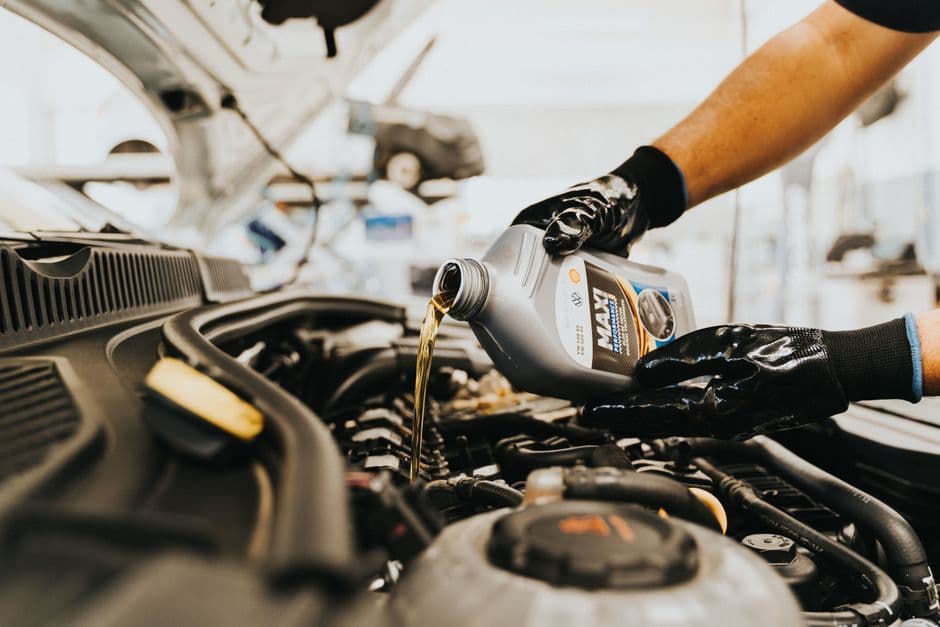
Where DIY maintenance can actually void coverage
The protection isn't unconditional. If a DIY repair is done incorrectly and that mistake causes damage, a manufacturer can deny the claim for the damage the mistake caused, not because you did it yourself, but because the failure traces back to a botched repair rather than a defect. Wrong torque on a wheel, the wrong fluid in a transmission, or an improperly seated filter are the kinds of mistakes that create a real, defensible denial.
The same logic applies to skipped maintenance, not just bad maintenance. If your owner's manual calls for a service at a specific interval and you can't show it happened anywhere near that mileage, a manufacturer has grounds to argue neglect contributed to a related failure, even without proving it outright.

What documentation you actually need
Keep the date, the mileage, exactly what was done, and the parts or fluids used, the same fields that belong in any car maintenance log. Save receipts for parts and fluids even for jobs you did yourself, since a receipt showing the correct spec of oil or brake fluid purchased around the right mileage is some of the strongest evidence you can offer.
Photos help too, especially for anything that gets covered up once the job is done, like a filter or a brake pad before installation. None of this needs to be elaborate. It needs to be consistent and dated, which is the part a shoebox of loose receipts usually fails to deliver when you actually need it.
Aftermarket parts and modifications are a separate risk
Aftermarket parts follow the same rule as DIY labor: a manufacturer can't void your entire warranty just because you installed a non-OEM part, but they can deny coverage for damage that part specifically caused. An aftermarket intake that leans out the fuel mixture and damages a catalytic converter is a fair denial. An aftermarket stereo has nothing to do with the transmission, and a denial tied to it wouldn't hold up.
This is where a build log earns its keep for modified cars specifically: dated records of what was installed, when, and by whom, make it much easier to draw the line between an unrelated mod and the actual cause of a failure if a dealer tries to deny a claim broadly instead of narrowly.
Building a record that holds up if a claim is denied
If a claim does get denied over a maintenance dispute, a complete dated history is what turns “I did the maintenance, trust me” into something you can hand a service manager or, if it goes further, a state attorney general's consumer protection office. The Car Care Council's Be Car Care Aware campaign covers the maintenance side of this well, but the record itself is what actually does the work.
Wheelscribe's entry form keeps date, mileage, cost, and parts together with attached receipts on every entry, so the record is already built by the time you'd ever need it, instead of getting assembled under pressure after a claim goes sideways. The free plan covers one car with unlimited entries, which is enough to start today.
Frequently asked questions
Does changing your own oil void your car's warranty?
No. Under the Magnuson-Moss Warranty Act, a manufacturer can't require dealer service to keep your warranty valid unless that service is provided free. Keep a dated record of what you used and when, in case the maintenance history is ever questioned.
Can a dealer deny a warranty claim because I used an independent mechanic?
Not solely for that reason. Federal law prohibits requiring dealer service as a warranty condition. A dealer can still deny a claim if a specific repair was done incorrectly and directly caused the failure, but not simply because it happened outside their shop.
Do aftermarket parts void a car's entire warranty?
No, only coverage for damage that specific part actually caused. A manufacturer can deny a claim tied directly to an aftermarket part's failure, but can't use it to deny unrelated coverage elsewhere on the vehicle.
What proof do I need to show I did my own car maintenance?
The date, mileage, what was done, and the parts or fluids used, plus receipts and photos where possible. Consistency and dates matter more than a formal write-up, since that's what turns a memory into evidence.
What is the Magnuson-Moss Warranty Act?
A federal law that prevents manufacturers from requiring dealer service or specific-brand parts as a condition of warranty coverage, unless that service or part is provided free of charge. It's the legal basis for why DIY maintenance doesn't automatically void a warranty.
Start logging your car's history
One car, unlimited entries, free forever. See pricing for what Pro adds.
Create free account