
How to Document Car Modifications
How to document car modifications in a build log: what to record for every mod, why photos and receipts matter, and how to keep a build sheet that pays off.
Why a build log is worth the effort
If you're modifying a car, learning how to document car modifications properly is one of those habits you'll wish you started sooner. A build log is more than a scrapbook. It's proof of value for insurance, a selling point at resale, a reference when a part fails and you can't remember the brand, and the difference between a build people take seriously and one they don't. Modified cars are worth what you can prove you put into them.
The problem is that mods happen over years, in bursts, and memory doesn't hold part numbers. Three years in, “what spring rate did I run” and “which tune is on the car” become real questions with no easy answers unless you wrote it down. This is how to capture a build as it happens, so the log builds itself instead of becoming a weekend of archaeology later.
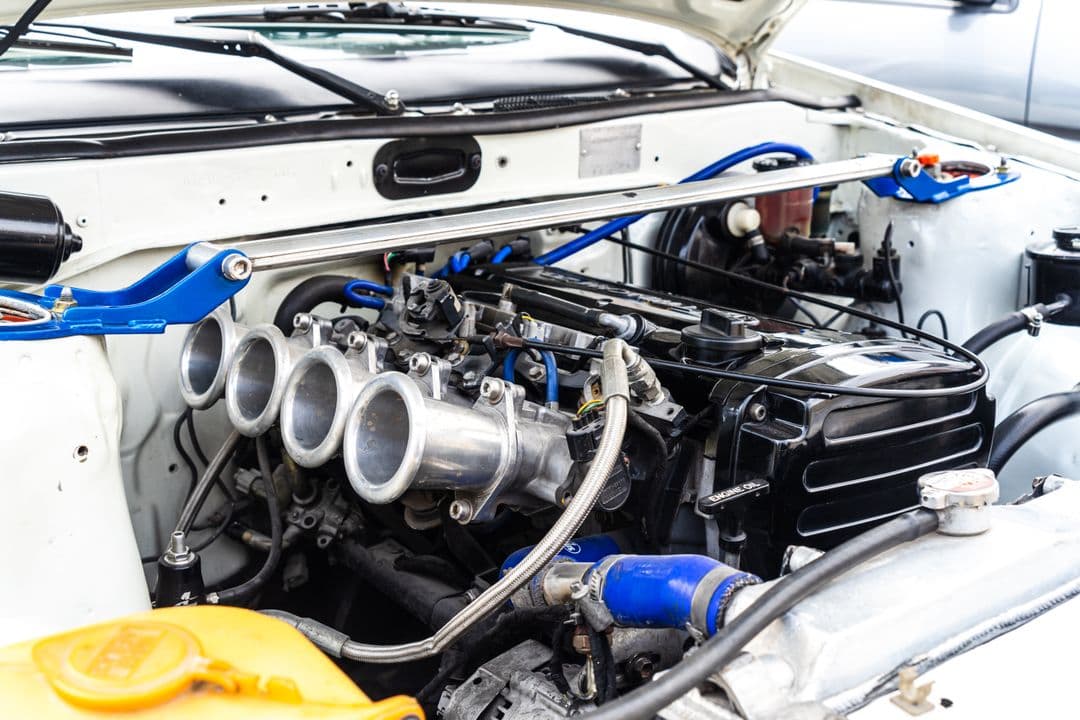
What to record for every modification
Each mod deserves the same core details, and capturing them takes two minutes at install time versus hours to reconstruct later. Record the part brand and exact part number, the price and where you bought it, the install date and mileage, and who did the work, you or a shop. Add notes and specs: spring rates, tune revision, wheel offset, torque values, anything you'd need to order a replacement or answer a buyer's question.
The part number is the detail people skip and regret most. “Coilovers” tells you nothing three years later; the exact model and spec tells you everything. Industry groups like the Specialty Equipment Market Association (SEMA) exist because the aftermarket is enormous and precise, so treat your log with the same precision the parts catalog does.
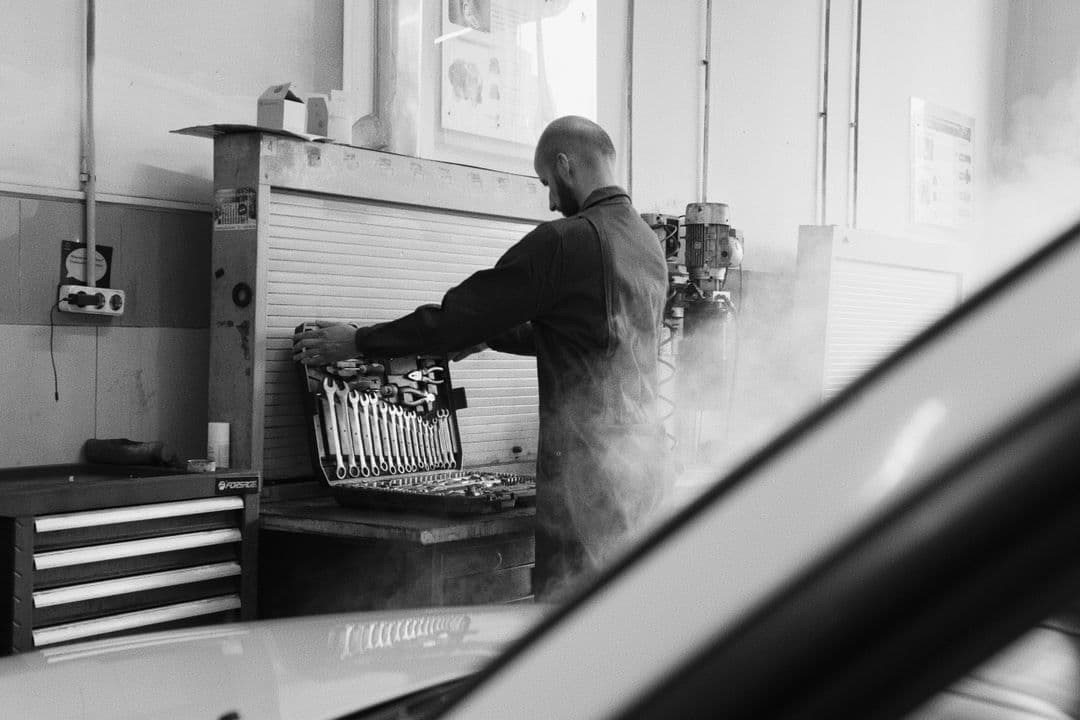
Keep mods and maintenance together
A project car needs both a build log and a maintenance record, and splitting them into two systems is how one gets neglected. The oil changes, brake jobs, and fluid services matter just as much on a modified car, and often more, because a tuned engine or a track day is harder on everything. A single timeline that holds both the mods and the upkeep tells the complete story of the car in one place.
This also matters at sale time. A buyer for a modified car wants to see that it was both built and maintained, not thrashed. Keeping the two together means you never have to reconstruct one or the other. If you own a project, the enthusiast build-tracking overview covers how the same log serves both jobs.
Photos and receipts are the proof
Text records the facts; photos and receipts prove them. Snap a picture of each part before and after install, keep the box or the invoice, and photograph the receipt right away before it fades or vanishes. That documentation is what an insurer wants if you file an agreed-value policy or a theft claim, and it's what turns a resale listing from “lots of mods” into a verifiable list a buyer can trust.
Receipts also protect the total you've sunk into the car. Builds add up quietly, and a documented spend is your evidence of value for insurance or a sale. Keep the proof attached to the specific mod it belongs to, not in a shoebox, so the part and its paperwork never drift apart. Note too that emissions-related mods have rules; the EPA's vehicle information is the authority on what's street-legal.
Spreadsheet, forum thread, or app?
People document builds three common ways, and each has tradeoffs. A forum build thread is great for feedback and community but scatters your data across pages and dies if the forum does. A spreadsheet gives you full control and good number-crunching, but it won't hold photos well and lives on one device unless you sync it. An app built for it keeps parts, costs, dates, and images together and travels with you, at the cost of using someone else's structure.
There's no wrong answer, only the one you'll actually keep up. If you like spreadsheets, the spreadsheet versus app comparison weighs the honest pros and cons. The best system is whichever one you'll update the night you install the part, not the one you mean to fill in later.
Build the log as you build the car
The one rule that makes a build log worth having is logging in the moment. The part number is on the box in your hand right now; it's a mystery in six months. A photo of the install is easy tonight and impossible once the panel is back on. Every build that ends up with a clean, complete history got there by capturing each mod as it went on, not by heroic reconstruction before a sale.
Wheelscribe keeps every modification and service with its date, mileage, parts, and photos in one timeline per car, so the build log and the maintenance record are the same living document. The free plan covers one car with unlimited entries, which is enough to start logging a build from the very first mod.
Frequently asked questions
How do I document my car modifications?
For each mod, record the part brand and exact part number, the price and source, the install date and mileage, and who did the work, plus notes on specs like spring rates or tune revisions. Add photos of the part and a picture of the receipt. Capture it at install time rather than reconstructing later.
What is a car build log or build sheet?
A build log or build sheet is a running record of every modification made to a car, including parts, costs, install dates, specs, and photos. It documents the car's build history in one place for reference, insurance, resale, and sharing, much like a maintenance log does for service.
Why should I keep a build log for my project car?
A build log proves the value you've put into the car for insurance and resale, gives you a reference when a part fails or needs replacing, and helps a buyer trust the modifications are real. Modified cars are worth what you can document, so the log directly protects your investment.
Should I track modifications and maintenance separately?
No, keeping them in one timeline is better. A modified car still needs regular maintenance, often more of it, and a buyer wants to see it was both built and cared for. A single record of mods and upkeep tells the complete story and means nothing gets neglected or lost.
What's the best way to document a car build?
The best method is whichever one you'll actually keep up with. Forum threads suit community feedback, spreadsheets offer control but handle photos poorly, and a purpose-built app keeps parts, costs, dates, and images together. What matters most is logging each mod the moment it goes on the car.
Start logging your car's history
One car, unlimited entries, free forever. See pricing for what Pro adds.
Create free account