
How to Store a Car Long Term
Storing a car long term without damage means managing four things: the battery, fuel, tires, and brakes. What to do before you park it and walk away.
What actually goes wrong when a car sits
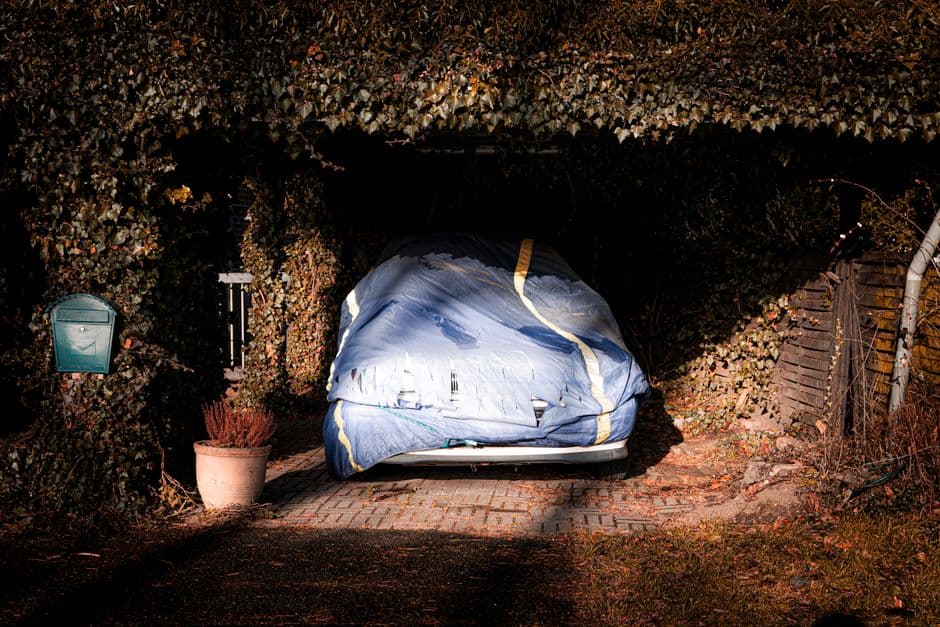
Storing a car long term, whether that's a second car, a project car, or a vehicle you're leaving behind for a deployment or an overseas assignment, threatens four things at once: the battery drains, the fuel goes stale, the tires develop flat spots from sitting under the same weight in the same spot, and the brakes can seize if the parking brake stays engaged the whole time.
None of these are dramatic failures on their own, but they compound. A dead battery on a car with stale fuel and flat-spotted tires isn't a five-minute fix anymore, it's an afternoon. The good news is each one has a cheap, well-understood fix, and most take less than twenty minutes to set up before you walk away.
The battery: disconnect it or keep it on a tender
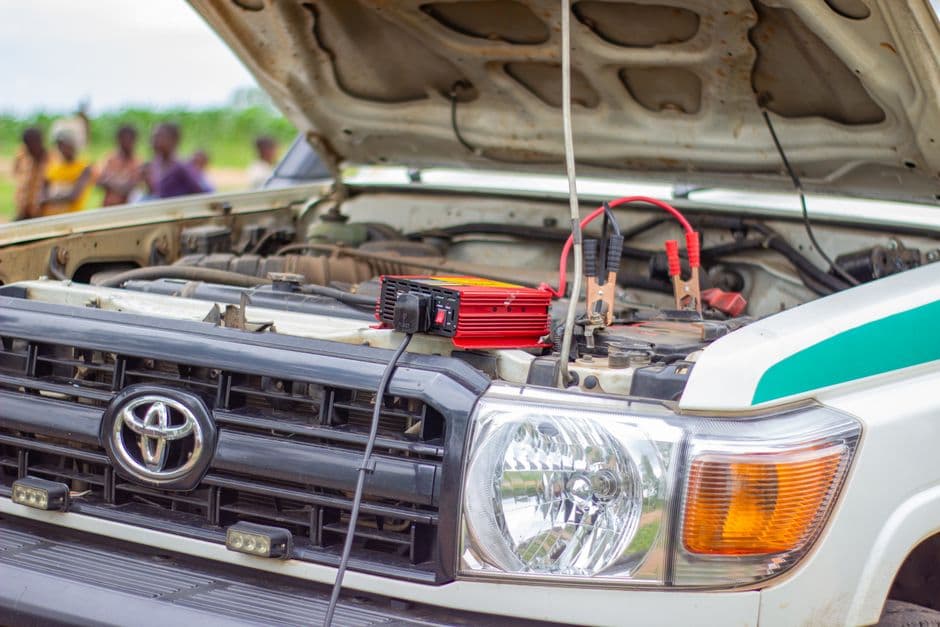
Every modern car has a parasitic draw from the alarm, the clock, and various modules that stay awake even with the key out, and that draw is enough to kill a battery over a few months of sitting. Two fixes work: disconnect the negative terminal before you leave, which is free but resets the radio and any adaptive settings, or leave a battery tender connected, which costs the price of the tender but keeps everything live and ready.
A tender isn't the same thing as a regular charger. It cycles on and off to hold the battery at a full float voltage instead of continuously pushing current, so it's safe to leave connected for months without overcharging. According to State Farm's storage guidance, for anything past 30 days, pick one of the two options rather than hoping the battery makes it.
Fuel: stabilize it or run the tank dry
Gasoline starts breaking down within a few months, forming gum and varnish that clog injectors and fuel lines, and ethanol-blended fuel absorbs moisture from the air over time, which is worse. Add a fuel stabilizer to a full tank and drive far enough for it to circulate through the fuel system, which keeps the fuel usable for up to a year depending on the product.
A full tank is generally better than an empty one for storage since it leaves less air space for condensation to form inside the tank. If the car is going to sit for longer than a year, or you'd rather not deal with stale fuel at all, running the tank close to empty before parking it is the other valid option, just don't leave it bone dry for an extended period either. Edmunds' own long-term storage prep guide walks through both approaches in more detail if the car is headed somewhere humid.
Tires, brakes, and the small stuff people skip
A tire develops a flat spot where its own weight presses the same patch of rubber into the ground for weeks at a time, and on a car that sits long enough, that flat spot can become permanent. Add about ten pounds of pressure above the normal spec before storage, or better, get the car up on jack stands so the tires aren't bearing any weight at all.
Leave the parking brake off and use wheel chocks instead, since a parking brake left engaged for months can seize the rear brakes to the point where the car won't roll when you come back. Crack a window slightly for airflow, toss in some pest deterrent if the car is going in a garage or shed, and give it a wash and a coat of wax first, since dirt left sitting for months etches into paint far more than dirt that gets washed off regularly.
Write down what you did before you forget
The part of long-term storage that actually trips people up isn't any single step, it's remembering which steps you took six months later. Did you disconnect the battery or leave it on a tender? Did you stabilize the fuel or run the tank dry? A quick note in a maintenance log with the date and what you did settles the question instantly instead of guessing at pickup.
Wheelscribe keeps that note attached to the car in the same timeline as every oil change and tire rotation, so the storage prep doesn't live in a separate mental file that's easy to lose track of. The free plan covers a single car parked in the driveway just as well as one driven every day.
Frequently asked questions
How long can a car sit without being driven?
About two weeks without any prep before the battery starts to worry a modern car's parasitic draw. Past 30 days, disconnect the battery or use a tender, and add a fuel stabilizer if you're going past a couple of months.
Should I disconnect the battery for long term car storage?
Either disconnect the negative terminal or leave the battery on a tender, not neither. Disconnecting is free but resets the radio and adaptive settings; a tender costs more upfront but keeps everything live and ready to go.
Do I need to add fuel stabilizer before storing a car?
Yes, for anything past a couple of months. Gasoline breaks down and ethanol-blended fuel absorbs moisture over time, both of which clog injectors and lines. Stabilizer added to a full tank keeps fuel usable for up to a year.
How do I prevent flat spots on tires during storage?
Add about ten pounds of pressure above the normal spec, or put the car on jack stands so the tires carry no weight at all. A flat spot forms where the tire's own weight presses the same patch of rubber down for weeks.
Should I leave the parking brake on when storing a car?
No. A parking brake left engaged for months can seize the rear brakes so the car won't roll when you come back. Use wheel chocks to hold the car in place instead.
Start logging your car's history
One car, unlimited entries, free forever. See pricing for what Pro adds.
Create free account