
Key Fob and Keyless Entry Maintenance Guide
A key fob and keyless entry maintenance guide covering battery replacement, reprogramming, fading range, and protecting your fob from relay theft.
What key fob and keyless entry maintenance covers
Key fob and keyless entry maintenance is a short list: watching for a low battery, replacing it before the fob dies completely, reprogramming a fob that's fallen out of sync, and taking basic precautions against relay theft. None of it is complicated, but it's the kind of small, cheap upkeep that's easy to ignore right up until you're standing at the car with a fob that won't unlock anything.
A dead or misbehaving fob usually gives warning signs for weeks before it fails outright, so most of this maintenance is just paying attention. If you're already tracking service on the car, Wheelscribe's features page covers keeping a fob battery swap in the same log as everything else.
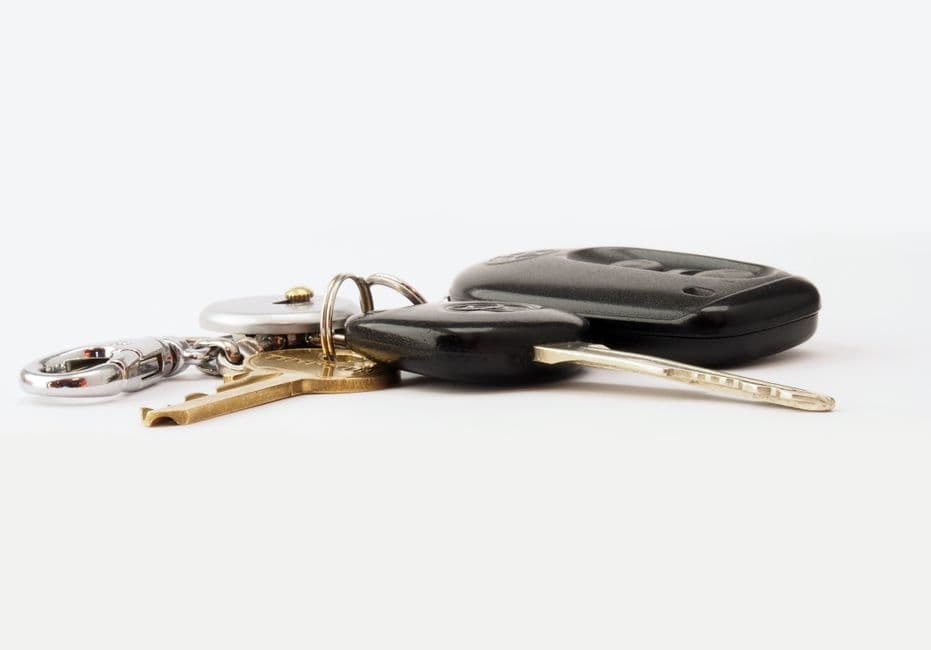
Signs your key fob battery is running low
The most common early sign is range: a fob that used to unlock the doors from across the driveway now only works a few feet away. Buttons that need an extra press or two before the car responds, or an indicator light on the fob that's dimmer than it used to be, point the same direction.
Many newer cars will also show a “key fob battery low” message on the dash once the vehicle itself notices the weak signal, which is the clearest warning you'll get. Don't wait for the fob to fail completely, especially on a push-button start car where a genuinely dead battery can leave you unable to start the engine at all.
How to replace a key fob battery
Most fobs open with a small slot for a flathead screwdriver or a coin, hidden along the seam or behind the metal emergency key. Inside is almost always a small coin cell, CR2032 or CR2025 being the most common sizes, not a AAA battery despite what a lot of people assume. Per AutoZone's key fob battery guide, checking your specific fob's battery size before buying one saves a wasted trip to the store.
Note the orientation of the old battery before popping it out, since coin cells are easy to install upside down. Once the new one's in, test every button before you snap the case back together, in case the seat wasn't quite right the first time.
Reprogramming a fob that won't sync
A fob that still has a good battery but stopped talking to the car, often right after a battery swap, usually needs to be resynced rather than replaced. Many vehicles have a manual procedure involving a sequence of door locks and ignition cycles, detailed in the owner's manual, that re-pairs the fob without a shop visit.
If the manual procedure doesn't work, or your car doesn't support one, a dealer or locksmith with the right programming tool can resync it, usually for less than the cost of a brand-new fob. Cars requiring every fob to be programmed at once are the one exception worth knowing about before you lose a spare, since losing one fob can force reprogramming all the others too.
Why range and reliability fade as a fob gets older
Even with a fresh battery, an older fob rarely performs quite like a new one. The internal antenna and button contacts wear from years of pocket lint, drops, and temperature swings, and the radio module itself loses a bit of sensitivity over thousands of button presses. None of that shows up as a single dramatic failure, just a slow decline in range and responsiveness.
A fob that's five or more years old and still acting sluggish after a fresh battery is a reasonable candidate for replacement rather than another round of troubleshooting, especially if you're also noticing sticky buttons or a case that's started to crack.
Protecting a smart key from relay theft
Passive keyless entry, the kind that unlocks a car just by having the fob nearby, comes with a real security tradeoff: relay theft. Per recent reporting on the technique, thieves use a pair of devices to capture and relay your fob's signal from inside your home out to the car in the driveway, unlocking and sometimes starting it without ever touching the actual key.
Storing the fob in a signal-blocking pouch overnight, or just further from the front door and the car, breaks the relay chain and is the simplest fix available. It costs a few dollars and takes zero maintenance beyond remembering to actually use it.
Keep a spare key working, and log it
A spare fob sitting untouched in a drawer for years is the one most likely to have a dead battery exactly when you need it most, after losing the primary. Test it every few months, and treat both fobs' batteries and any reprogramming as maintenance worth recording, the same as an oil change.
It also matters for a future sale: a car with two working, accounted-for keys is worth more, and a missing spare is one of the first things a buyer asks about. Wheelscribe keeps that kind of service record with the car for good, and it's free to start.
Frequently asked questions
What kind of battery does a key fob use?
Almost always a small coin cell, most commonly a CR2032 or CR2025, not a AAA battery despite the common assumption. Check your specific fob's battery compartment before buying a replacement, since the exact size varies by model.
How do I know if my key fob battery is dying?
Shrinking range is the earliest sign, a fob that used to work from across the driveway now only works up close. Buttons needing extra presses, a dimmer indicator light, or a dashboard low-battery message are the other common warnings.
Why won't my key fob work after I replaced the battery?
It likely needs to be resynced rather than having a hardware problem. Many vehicles have a manual reprogramming sequence in the owner's manual involving door locks and ignition cycles; if that doesn't work, a dealer or locksmith can resync it with a programming tool.
How can I protect my key fob from relay theft?
Store the fob in a signal-blocking pouch overnight, or keep it further from exterior doors and the car itself. Relay theft works by capturing and boosting your fob's signal from inside the house, so blocking that signal breaks the attack.
Should I replace an old key fob even if the battery is fresh?
If it's five or more years old and still sluggish after a fresh battery, replacement is reasonable. Worn antennas, button contacts, and radio modules degrade gradually with age and use, and a new battery alone won't fix that decline.
Do I need to log key fob maintenance like other car maintenance?
It's worth it. A record of battery swaps and reprogramming helps you catch a fob that's declining faster than normal, and a car with two documented, working keys is worth more and easier to sell than one with an unaccounted-for spare.
Start logging your car's history
One car, unlimited entries, free forever. See pricing for what Pro adds.
Create free account