
Mileage Log for Taxes and Reimbursement
A mileage log for taxes needs the date, purpose, and odometer for every trip. What the IRS actually requires, and how to keep one without it becoming a chore.
What a mileage log for taxes actually needs to include
A mileage log for taxes needs five things for every trip: the date, the starting and ending odometer reading (or total miles driven), the destination, and the business purpose. Miss the purpose field and the trip doesn't count as documented, even if the mileage itself is accurate, because the IRS wants to see why the drive was business-related, not just that it happened.
This is the same discipline as any other car maintenance log, just pointed at trips instead of service work. The habit that makes it work is identical too: record it the same day, while the destination and purpose are still obvious, instead of trying to reconstruct three months of driving from memory in April.
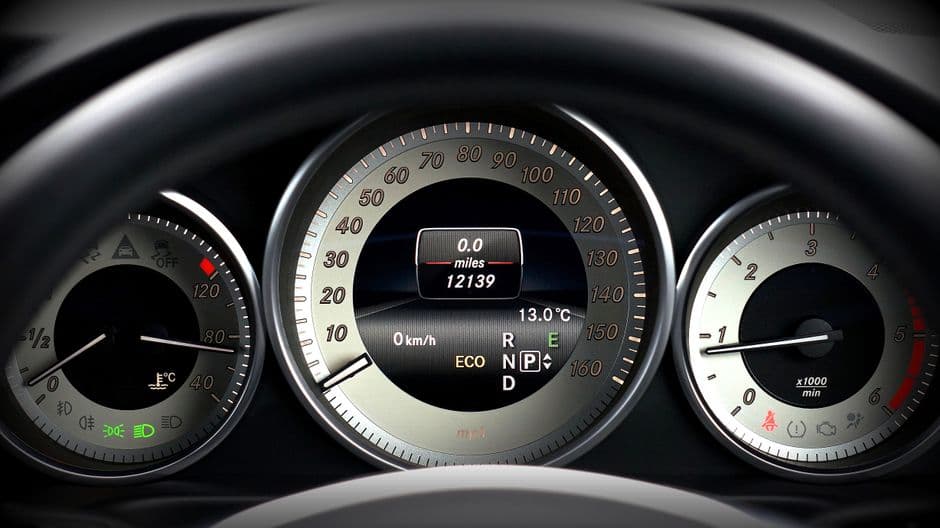
Why a “close enough” mileage log gets rejected
The IRS calls this a contemporaneous record for a reason: a log built at the time of each trip carries far more weight than one reconstructed at tax time, and a rough estimate written once a year (“about 8,000 miles for work, probably”) typically doesn't survive a closer look. If the log is ever questioned, the burden is on you to show it, not on the IRS to disprove it.
That doesn't mean every trip needs a full paragraph. A short, consistent line per drive, logged the same day, beats a detailed reconstruction assembled from a calendar and a guess months later. Consistency is what makes a log credible, not length.
Standard mileage rate vs. actual expense method
There are two ways to deduct vehicle costs: the standard mileage rate, a flat cents-per-mile figure the IRS publishes and updates every year, or the actual expense method, which totals real costs (gas, insurance, repairs, depreciation) and applies the business-use percentage. Both require the same underlying mileage log to establish that business-use percentage in the first place, so skipping the log isn't an option under either method.
The standard rate is simpler and is what most self-employed drivers use. The actual expense method can pay off for a vehicle with high real costs or heavy depreciation, but it also means keeping every fuel and repair receipt on top of the mileage log, not instead of it.
What counts as business mileage, and what doesn't
Driving between job sites, to client meetings, to pick up supplies, or to a temporary work location counts. Your regular commute from home to a normal workplace doesn't, even if you check email in the car or make a work call along the way. That distinction trips up more people than any other part of the mileage log.
If you work from home and drive to client sites, the commuting rule usually doesn't apply the same way, since the trip starts at your regular place of business. Rules shift based on your specific setup, so this is the one area worth a few minutes with a tax professional rather than a guess, especially the first year you start claiming it.

Keeping a mileage log that survives without becoming a chore
A paper notebook in the glovebox works until it gets left at home, and a spreadsheet works until entering a row feels like too much friction for a five-minute drive. Logging trips alongside your regular maintenance entries keeps everything about the vehicle in one place instead of splitting tax records from service records across two different tools.
The odometer readings you're already recording for oil changes and service intervals double as the backbone of a mileage log: the gap between two logged readings is the total miles driven in that window, which is useful even if you're not logging every single trip separately.
Employer reimbursement vs. self-employed deduction
If an employer reimburses mileage, they set their own rate and their own log requirements, though many simply follow the IRS standard rate or the GSA rate used for federal employees as a benchmark. Reimbursed mileage generally isn't deductible again on your own return, so keep the log either way and let it settle which bucket applies.
Self-employed drivers claim the deduction directly, which raises the stakes on the log itself since there's no employer paperwork trail backing it up. Wheelscribe's free plan covers one vehicle with unlimited entries, which is enough to start logging trips today instead of waiting until next January to build the habit.
Frequently asked questions
What does a mileage log for taxes need to include?
The date, starting and ending odometer or total miles, the destination, and the business purpose for every trip. Missing the purpose field is the most common reason a log doesn't hold up if it's ever questioned.
Does commuting to work count as business mileage?
No. Driving from home to a regular workplace is commuting, not deductible business mileage, even if you make work calls along the way. Trips between job sites, to client meetings, or to a temporary work location do count.
Should I use the standard mileage rate or actual expenses?
The standard mileage rate, a flat per-mile figure the IRS updates yearly, is simpler and what most self-employed drivers use. The actual expense method can pay off for a vehicle with high real costs, but it requires keeping every fuel and repair receipt in addition to the mileage log.
Can I reconstruct a mileage log at tax time instead of logging trips as I go?
You can try, but a reconstructed log carries far less weight than a contemporaneous one logged the same day as each trip. If the deduction is ever questioned, the burden is on you to show accurate records, not on the IRS to disprove a rough estimate.
Is reimbursed mileage also tax deductible?
Generally no. If an employer already reimburses your business mileage, you typically can't deduct that same mileage again on your own return. Keep the log regardless, since it's what determines which bucket a given trip falls into.
Start logging your car's history
One car, unlimited entries, free forever. See pricing for what Pro adds.
Create free account