
Off-Road Vehicle Maintenance Guide
An off-road vehicle maintenance guide covering pre-trail checks, post-trail cleanup, and the fluids, filters, and undercarriage parts that wear faster.
What off-road vehicle maintenance covers that street driving doesn't
Off-road vehicle maintenance adds a layer on top of a normal schedule: undercarriage inspection, shorter fluid and filter intervals, and a post-trail cleanup that regular street driving never requires. Manufacturers usually call this “severe service,” and if you're airing down for sand or crawling over rocks regularly, that's the interval your truck or SUV is actually living on.
The parts that take the hit are mostly out of sight: skid plates, U-joints, wheel bearings, and the underside of the frame. None of it fails on the trail without warning if you're checking it, but all of it fails eventually if you're not.
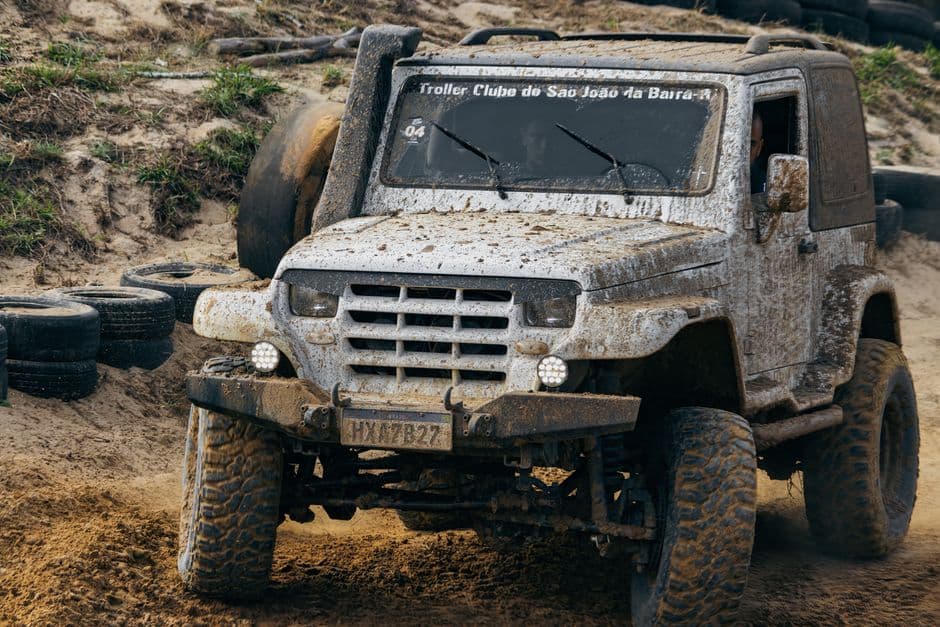
Before you go: the pre-trail checklist
Check fluid levels, tire pressure and tread, and the spare before every trip, not just the big ones. Look under the truck for anything loose: skid plate bolts vibrate out over time, and a plate hanging by one bolt does less protecting than no plate at all.
Recovery gear counts as maintenance too in the sense that it only works if it's actually in the truck: a tow strap, traction boards, and a way to air back up are what turn a stuck afternoon into a story instead of a tow bill. None of this takes more than fifteen minutes once it's a habit.
After the trail: what needs checking within 24 hours
Wash the undercarriage as soon as you reasonably can, especially after mud, salt, or standing water. Packed mud holds moisture against the frame and driveline long after the truck looks clean on top, and that's exactly the setup for rust that starts somewhere you won't see it for years.
While it's up on ramps or a lift, check U-joints for play, look for fresh leaks around the diff and transfer case, and knock dried mud off the air filter housing if you were running dusty trails. A five-minute look after every trip catches almost everything before it becomes a roadside problem.

The parts off-roading wears faster than street driving
CV joints, U-joints, and wheel bearings all see more articulation and more shock loading off-road than they ever would commuting, and they wear accordingly. Shocks take a beating on washboard roads specifically, a sustained vibration that's harder on damping than a single big hit.
Skid plates and rock sliders should get a visual check for dents and cracks after anything technical, since a plate that's already deformed protects less the next time it takes a hit. None of these are parts you want to discover are worn out by having them fail thirty miles from pavement.
Fluids and filters on a shorter interval
Differential and transfer case fluid should come off the standard schedule and onto a shorter one if you're wheeling regularly, since water crossings and heat cycling both break fluid down faster than normal driving does. Check the owner's manual for the “severe service” interval, most manufacturers publish one, and use it instead of the standard number.
Air filters need the same treatment if you're running dusty trails often, especially with a snorkel or aftermarket intake pulling air from somewhere closer to ground level. A clogged filter costs power and fuel economy well before it costs anything more serious.
Log every trip so wear patterns show up before they're expensive
The hard part of off-road maintenance isn't knowing what to check, it's remembering what you already checked and when, especially once fluid intervals stop matching what the manual assumes for street driving. Logging trip mileage alongside regular entries is what makes a shortened interval something you can actually follow.
Wheelscribe for enthusiasts tracks mods and maintenance on the same timeline, so a new skid plate and the fluid change that followed it live in one place. If you're running a truck for both trail and daily duty, our truck maintenance guide covers the street-side schedule this post builds on, and it's free to start logging.
Frequently asked questions
How often should you service a vehicle used for off-roading?
Follow your owner's manual's severe service schedule, not the standard one. That usually means differential and transfer case fluid, air filters, and undercarriage inspections on a noticeably shorter interval than street-only driving.
Why does off-road driving wear CV joints and wheel bearings faster?
Articulation over uneven terrain puts CV and U-joints through a wider range of motion than street driving ever does, and the shock loading from rocks and ruts accelerates wear on both joints and bearings.
Do I need to wash the undercarriage after every trail?
After mud, salt, or water crossings, yes. Packed mud holds moisture against the frame and driveline long after the outside looks clean, which is exactly the condition that starts rust you won't see for years.
What should I check on a truck before an off-road trip?
Fluid levels, tire pressure and tread, the spare, and a quick look underneath for loose skid plate bolts. Recovery gear, a strap, traction boards, and a way to air back up, counts as a pre-trip check too.
How often should differential fluid be changed for off-road use?
Check your owner's manual's severe service interval and use that instead of the standard mileage number. Water crossings and heat cycling both break fluid down faster than regular street driving.
Do skid plates need maintenance?
Check them for loose bolts before every trip and for dents or cracks after anything technical. A plate that's already deformed absorbs less impact the next time it takes a hit.
Start logging your car's history
One car, unlimited entries, free forever. See pricing for what Pro adds.
Create free account