
Who Pays for Repairs on a Leased Car
Who pays for repairs on a leased car: what the manufacturer's warranty covers, what happens after it expires, and why the paper trail matters at lease-end.
Who actually pays for repairs on a leased car
For most of a typical lease, the manufacturer's warranty pays for repairs, not you and not the leasing company. A three-year lease almost always sits inside a bumper-to-bumper warranty that runs at least three years or 36,000 miles, so a failed water pump or a glitchy infotainment screen gets fixed under warranty the same way it would on a car you own outright.
Where people get tripped up is assuming leasing itself comes with some kind of repair coverage. It doesn't. The warranty is doing the work, and the warranty belongs to the car, not the lease. Once it runs out, or once something happens that it never covered in the first place, the bill lands on you.
What the manufacturer's warranty covers during your lease
A standard new-car warranty covers mechanical and electrical failures caused by defects in materials or workmanship: engine and transmission problems, electrical faults, sensor failures, and most of the parts that break on their own rather than from use or neglect. Powertrain coverage usually runs longer than the bumper-to-bumper term, often five years or 60,000 miles or more depending on the manufacturer.
It doesn't cover routine maintenance. Oil changes, brake pads, tire rotations, and cabin air filters are wear items you're responsible for regardless of whether the car is warrantied, financed, or leased. Confusing warranty coverage with maintenance coverage is the single most common mistake new lessees make, and it's an easy one to avoid once you know the two are separate line items.
What happens after the warranty runs out
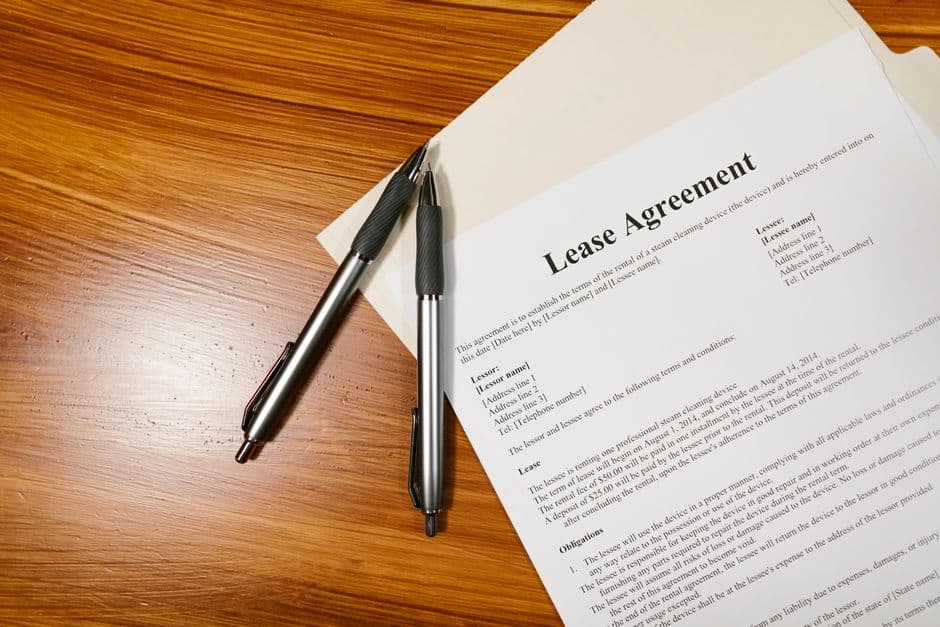
A lot of leases run longer than the bumper-to-bumper warranty, especially a four or five-year term paired with a three-year warranty. Once coverage lapses, you're paying for repairs the same way any owner would, either out of pocket or through an extended service contract you bought separately. The leasing company never steps in to cover the gap.
This is worth doing the math on before you sign. If a five-year lease outlasts a three-year warranty by two years, budget for at least one out-of-warranty repair in that window, the same way you'd budget for maintenance on a car you own. A mid-lease transmission fault or AC compressor failure isn't rare, and it's entirely your bill once the clock runs out.
Accident damage and insurance are a separate bucket entirely
A warranty covers things that break on their own. It never covers a fender-bender, a curbed wheel, or hail damage, and that's where your auto insurance takes over instead. Most leasing companies require higher liability limits than state minimums and a low or zero collision deductible, precisely because they own the car and want it repaired properly, not patched.
The FTC's guide to vehicle leasing spells out the insurance minimums most leasing companies require, and it's worth reading before you sign rather than after a fender-bender forces you to find out the hard way. Skipping a proper repair to save money almost always costs more later, once it shows up as an excess-wear charge at turn-in.
You don't have to use the dealership
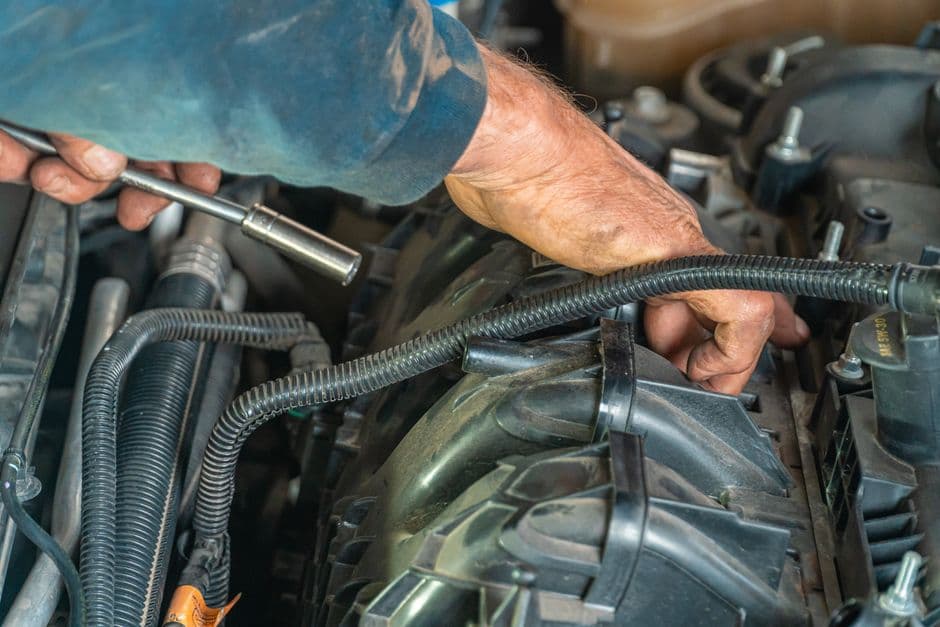
A common myth is that warranty repairs have to happen at the dealership you leased from, or that using an independent shop voids coverage. Neither is true. Any licensed shop can perform warranty and routine work as long as the parts and fluids meet the manufacturer's specifications, a protection spelled out in the Consumer Financial Protection Bureau's auto guidance for both financed and leased vehicles.
What actually matters to the leasing company is the paperwork, not the shop's name on the invoice. An independent mechanic with a clear, dated invoice protects you just as well as a dealer stamp, sometimes better, since independent shops are often faster about handing over an itemized receipt.
Keeping repair records protects you at lease-end
Every leasing company inspects the car at turn-in and can charge for anything beyond normal wear, and an undocumented repair looks a lot like unrepaired damage on that inspection sheet. A warranty claim you can't prove happened, or a repair with no invoice, leaves you arguing after the fact instead of pointing at a paper trail. See what lease-end inspections actually check for if you want the full breakdown of what counts as normal wear versus a chargeable defect.
Wheelscribe's entry form keeps every repair, warranty claim, and routine service tied to the car, the date, and the mileage it happened at, so you're not digging through a glovebox full of receipts the week before turn-in. If you've still got questions about what a lease actually obligates you to, the FAQ page covers the most common ones.
Frequently asked questions
Who pays for repairs on a leased car?
The manufacturer's warranty covers most mechanical failures for the length of your lease, since most lease terms run three years or less and new-car warranties typically run at least three years or 36,000 miles. You're responsible for anything the warranty excludes, like tires, wiper blades, and damage from an accident.
Does leasing cover oil changes and routine maintenance?
Only if you bought a maintenance package or your specific lease includes one. A standard lease covers warranty repairs, not routine service. You're on the hook for oil changes, tire rotations, and every other scheduled maintenance item unless your contract explicitly states otherwise.
What happens if my leased car breaks down after the warranty expires?
You pay for it, either out of pocket or through an extended warranty or service contract you purchased separately. A lease doesn't extend your bumper-to-bumper coverage. If the warranty runs out with a year left on your lease, you're covering repairs yourself for that stretch.
Do I have to use the dealership for repairs on a leased car?
No. Any licensed shop can service a leased vehicle without voiding the manufacturer's warranty, as long as the parts and fluids meet the manufacturer's specifications. What matters is that the work gets documented, not where it happened.
Is accident damage on a leased car my responsibility?
Yes, through your auto insurance rather than the manufacturer's warranty. Leasing companies typically require higher liability limits and low or zero collision deductibles for exactly this reason. Unrepaired accident damage can also trigger an excess-wear charge when you return the car.
What repair records should I keep on a leased car?
Keep every invoice for warranty work, out-of-warranty repairs, and routine maintenance, along with the date and mileage for each. A complete file protects you if a leasing company disputes a wear-and-tear charge or claims a repair was never done at turn-in inspection.
Start logging your car's history
One car, unlimited entries, free forever. See pricing for what Pro adds.
Create free account