
ATV & UTV Maintenance Guide
ATV and UTV maintenance that actually matters: oil, air filters, CVT belts, tires, and brakes, with the intervals mud and dust push up from the manual.
What ATV and UTV maintenance actually covers
ATV and UTV maintenance runs on shorter intervals than a car for one simple reason: these machines spend their working life in dirt, mud, and water that a street vehicle never sees. Oil gets contaminated faster, air filters clog in a single ride, and CVT belts wear from heat and grit instead of just mileage. Treat the owner's manual interval as the ceiling, not the target, if you actually ride in mud or sand.
The two machines aren't identical to maintain either. Most ATVs use a chain or shaft final drive and a manual or semi-auto transmission, while most UTVs run a CVT belt and see closer to truck-like use, hauling and towing at low speed. Both share the same core routine: oil, filters, tires, and brakes, just on a schedule dictated by how hard and how dirty the machine gets used.
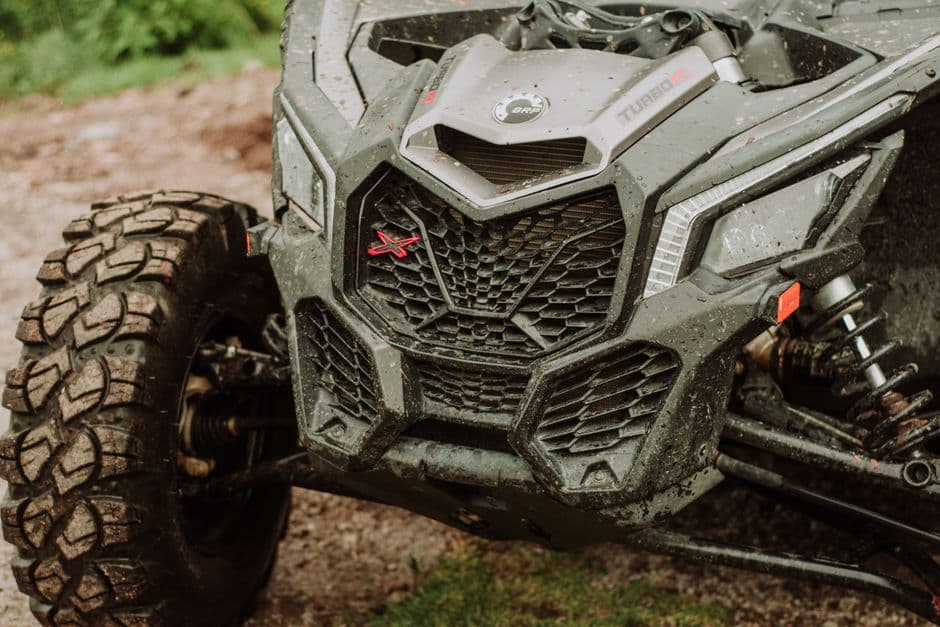
Oil and filter changes: how often and what to use
Most ATVs and UTVs need an oil change every 25 to 100 hours of use or once a season, whichever comes first, well short of a car's mileage-based interval. Many share engine oil with the transmission and clutch, so a car's energy-conserving oil with friction modifiers can cause clutch slip. Use an oil rated for wet clutches unless the manual says otherwise.
Change the oil filter every time, and check it for metal flecks while you're in there, an early warning sign that's easy to catch during a routine change and expensive to ignore. If the machine works hard in hot weather or heavy dust, cut the interval in half rather than waiting for the manual's number.
Air filters and CVT belts: the parts dust and mud kill first
Check the air filter after every ride in dusty or muddy conditions, not on a monthly calendar. A clogged filter starves the engine and pulls unfiltered air past the seal faster than most riders expect, and a foam filter needs re-oiling every time it's cleaned or it stops trapping dust at all.
On a UTV, inspect the CVT belt for cracking, glazing, or fraying every 25 to 50 hours, and keep the belt housing clear of debris since a clogged intake runs the belt hotter than it's built for. A belt that fails on the trail usually strands the machine, so carrying a spare is standard practice for anyone who rides more than a few miles from the truck.
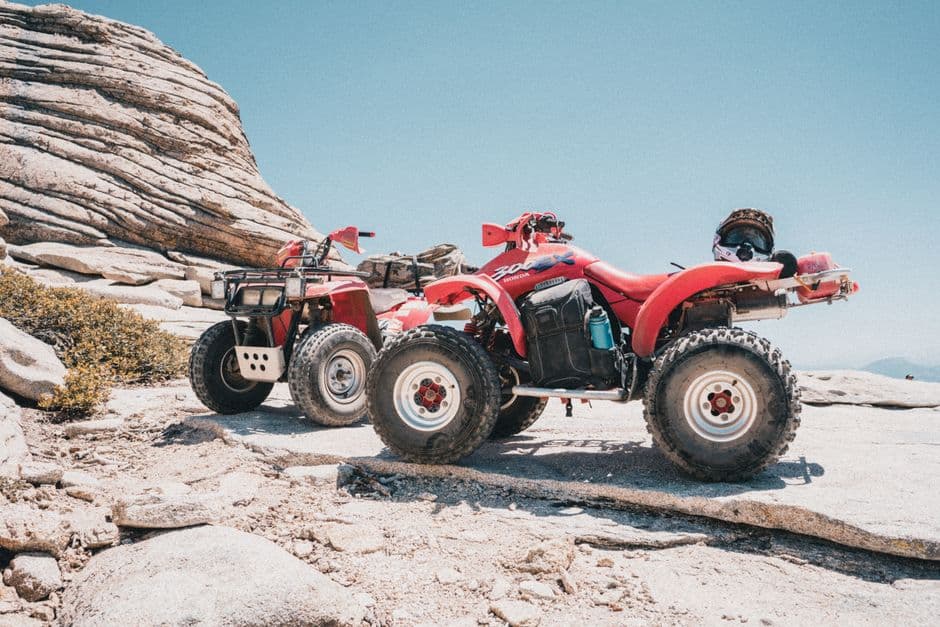
Tires, wheels, and suspension after off-road use
Check tire pressure before every ride, since ATV and UTV tires run low pressures for traction and lose a few PSI faster than a car tire does. Low-pressure tires also show sidewall damage more easily, so run a hand around each one after a rocky trail before you write the ride off as uneventful.
Grease suspension zerk fittings every 25 hours or per the manual, more often in wet or muddy conditions where water pushes grease out of the joint. Skipped grease intervals are the most common reason ball joints and bushings wear out early on machines that otherwise see light use. the ATV Safety Institute's guidance covers the pre-ride inspection habits worth building alongside the maintenance schedule.
Brakes, drivetrain, and the checks before every ride
Brake pads on a machine ridden hard in mud and water wear faster than the calendar suggests, since grit works its way into the caliper the same way it does on a mountain bike. Check pad thickness every oil change and listen for the grinding that means metal is already touching the rotor.
Lube a chain-drive ATV every couple of rides in wet conditions, and check final drive fluid on shaft-drive models at the same interval as the engine oil. The Recreational Off-Highway Vehicle Association publishes a short pre-ride checklist that's worth taping inside the garage: tires, oil, controls, chassis, and lights, the same five categories every time.
Battery care and off-season storage
A machine that sits for weeks between rides needs a battery tender, not just a healthy battery, since small parasitic draws from the electronics drain a battery flat over a month of sitting. Add fuel stabilizer before any storage longer than a month, and run the engine briefly afterward so stabilized fuel actually reaches the carburetor or injectors.
Wash the undercarriage before long-term storage. Dried mud holds moisture against metal and accelerates rust in exactly the spots that are hardest to inspect, the frame rails and suspension mounts underneath the machine.
Log every ride and job, not just the big services
Hour-based intervals are easy to lose track of without an odometer to glance at, and most riders end up guessing at how many hours are on the current oil. A logged date and hour reading at every oil change turns that guess into an actual number you can trust.
If you're already logging maintenance on a truck or daily driver, the same habit works for an ATV or UTV in Wheelscribe, covering every vehicle you own in one place instead of a notebook in the garage that only gets updated half the time. It's free for a single vehicle, and the same routine that works for a motorcycle maintenance schedule carries over directly.
Frequently asked questions
How often should I change the oil in an ATV or UTV?
Most manufacturers recommend every 25 to 100 hours of use or once a season, whichever comes first. Cut that interval in half for machines ridden hard in heat, dust, or mud.
Do ATVs and UTVs use the same oil as cars?
Not usually. Many share oil between the engine and a wet clutch or transmission, and car oils with friction modifiers can cause the clutch to slip. Use an oil rated for powersports or wet-clutch use unless the manual says otherwise.
How often should I clean the air filter?
After every ride in dusty or muddy conditions rather than on a fixed schedule. A foam filter needs re-oiling each time it's cleaned, or it stops trapping dust effectively.
Does a UTV's CVT belt need regular replacement?
Inspect it every 25 to 50 hours for cracking, glazing, or fraying, and replace it at the first sign of damage rather than waiting for it to fail on the trail. Most riders carry a spare belt for exactly that reason.
How do I winterize an ATV or UTV?
Add fuel stabilizer, change the oil so contaminated oil doesn't sit all winter, connect a battery tender, wash the undercarriage to remove mud, and store it somewhere dry with the tires slightly overinflated to prevent flat spots.
What maintenance does a UTV need that an ATV doesn't?
CVT belt inspection and cooling system checks, since most UTVs use a belt-driven transmission and often a liquid-cooled engine. ATVs more commonly use chain or shaft final drives and air-cooled engines with a different service routine.
Start logging your car's history
One car, unlimited entries, free forever. See pricing for what Pro adds.
Create free account