
Beginner Car Upgrades Worth Doing First
The best beginner car upgrades to start with, which ones give the most value, how to keep your car reliable, and how to log every mod.
The best beginner car upgrades to start with
The best beginner car upgrades are the ones you feel on every drive without gutting reliability: better tires, a mild suspension refresh, a good set of wheels, and small interior or audio touches. Start with what fixes an actual annoyance, not what looks fastest on paper. Here's a sensible order for your first round of car upgrades:
- Tires first. Grippier rubber changes braking, cornering, and confidence more than any bolt-on part will.
- Suspension next. Quality springs or dampers sharpen handling, and even fresh factory-spec parts on a tired car feel brand new.
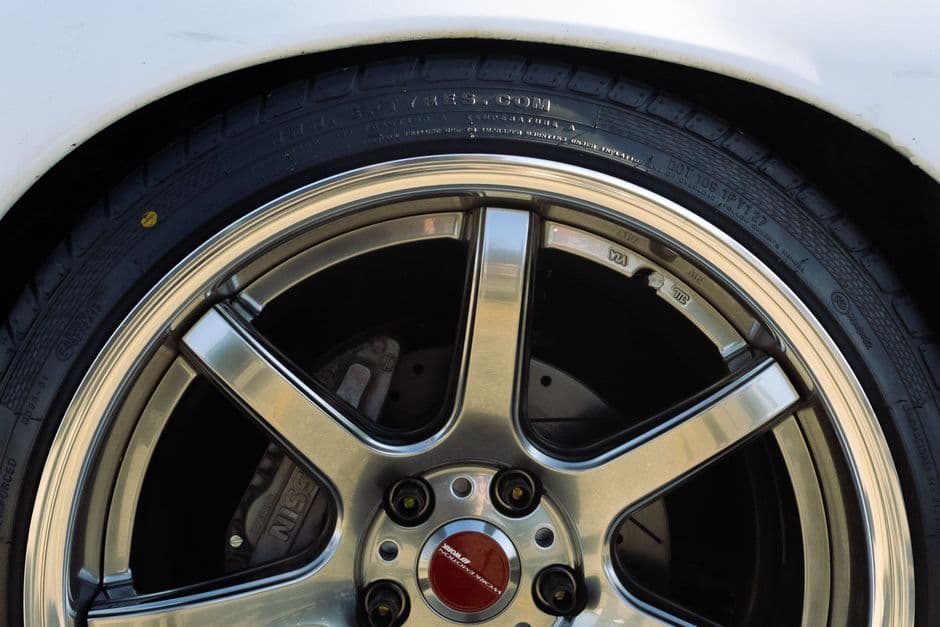
- Wheels for looks and weight. Lighter wheels help ride and steering, and this is where learning how to upgrade car rims pays off.
- Intake and exhaust for a little breathing and sound, once the basics are sorted.
- Interior and audio last. A better head unit, speakers, or trim make the daily miles genuinely nicer.

Upgrades that give the most for the money
If your budget is tight, spend it low on the car. Tires and suspension are the car performance upgrades that reward every driver, not just the ones chasing lap times. A set of quality pads and fresh brake fluid tightens the pedal for the price of a night out. Even suspension upgrades for cars as simple as new bushings can wake up a chassis that feels vague. Big-power parts like turbos and tunes look tempting, but they stress the rest of the car and rarely make a commute better. Sort grip, stopping, and comfort first, then chase power once the foundation can handle it.
How to plan upgrades without wrecking reliability
Change one thing at a time and drive it for a while before the next mod. That way, if something rattles, pulls, or throws a light, you know exactly what caused it. Stacking five upgrades in a weekend turns troubleshooting into guesswork. Keep the factory parts you remove, since stock is what you'll want back at trade-in or if a mod doesn't pan out, and be honest about warranty and emissions rules where you live before anything under the hood changes.
Reliability is a feature. The point of upgrading a daily driver or a weekend project car is to enjoy it more, not to leave it stranded. Hagerty and Car and Driver are good places to research a specific upgrade before you buy.
Interior and audio upgrades that are worth it
Not every upgrade is about going faster. Car interior upgrades are the ones you touch every single day: a better steering wheel wrap, quality floor mats, tinted windows for heat, or a modern head unit with wireless phone mirroring. Swapping tired speakers for a decent set changes every commute, and it's a friendly first electrical project. These jobs are cheap, mostly reversible, and hard to get badly wrong, which makes them a great place to learn wiring and trim removal before you tackle anything mechanical.
Keep a build log so every upgrade is documented
Every upgrade you make is worth writing down: the part, the brand, the date, the mileage, and what it cost. A running build log turns a pile of receipts into a story you can actually use, whether you're diagnosing a new noise, planning the next mod, or proving the money you sank into the car when you sell it.
That's exactly what tracking modifications in Wheelscribe is for, and it works the same way as logging basic maintenance: one entry per change, with photos and receipts attached. The free plan covers one car, and the paid tier opens up multiple vehicles and unlimited photos once your project grows.
Frequently asked questions
What is the best first upgrade for a car?
Tires. A grippier, better-matched set improves braking, cornering, and wet-weather safety more than any engine or looks mod, and you feel it on the very first drive. Once tires are sorted, a mild suspension refresh is the natural next step.
What car upgrades give the most value for the money?
Tires, brake pads with fresh fluid, and basic suspension parts like bushings or dampers. They sharpen how the car stops, turns, and rides for modest cost, and they benefit every kind of driving. Big-power parts cost far more and rarely improve a daily commute.
Do modifications void your car warranty?
Not automatically. A dealer has to show a specific modification caused the failure they're denying. Keeping stock parts and good records helps, but powertrain and emissions changes carry the most risk, so check your warranty terms and local laws before those.
Should I upgrade my car all at once or one part at a time?
One part at a time. Driving between changes tells you exactly what each upgrade did and makes any new rattle or warning light easy to trace. Stacking several mods in one weekend turns troubleshooting into pure guesswork if something goes wrong.
How do I keep track of the mods I've done to my car?
Log each one the day you install it: the part, brand, date, mileage, and cost, with a photo and receipt attached. A build log makes diagnosing problems easier, plans your next upgrade, and proves the investment to a buyer when you sell.
Start logging your car's history
One car, unlimited entries, free forever. See pricing for what Pro adds.
Create free account