
Car Maintenance Tips for Beginners
Practical car maintenance tips for beginners: the checks anyone can do, simple DIY jobs worth learning, what to leave to a pro, and how to build the habit.
Start before something breaks
The best car maintenance tips for beginners all share one idea: small, regular attention beats big, expensive surprises. You don't need tools, a garage, or any mechanical background to cover most of it. What trips up new owners isn't difficulty, it's waiting for a warning light or a noise before thinking about the car at all. By then the cheap fix has often become the pricey one.
This is a practical starting point: a handful of checks anyone can do, a few simple jobs worth learning, and an honest line on what to hand to a professional. Do the basics consistently and you'll avoid the most common breakdowns, spend less at the shop, and understand your car well enough to spot trouble early.

Read the manual and the dashboard
Your owner's manual is the most useful car resource you already own and almost never open. It lists your exact maintenance schedule, the right oil and tire pressure, and what every dashboard symbol means. Spend twenty minutes with it once and you'll know more about your specific car than most drivers ever learn. Keep it in the glovebox and actually reach for it.
Learn the warning lights, because they're a language. A steady check-engine light means schedule a look soon; a flashing one means stop driving. Red lights (oil pressure, temperature, battery, brakes) mean act now, while yellow lights mean attention soon. Knowing the difference is the single most valuable beginner skill there is, and it turns a scary glowing symbol into a clear next step instead of a panic.
The five checks anyone can do
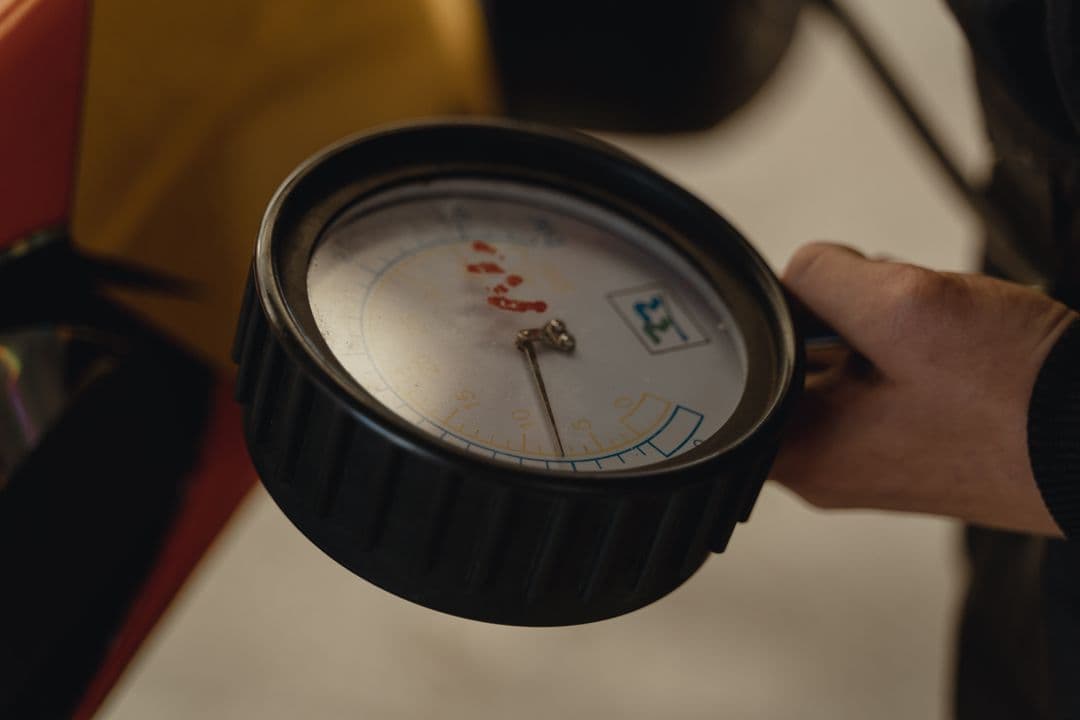
None of these need tools. Oil: pull the dipstick monthly with the engine cold, wipe it, reinsert, and read the level and color. Tires: check pressure against the door-jamb sticker and eyeball the tread. Lights: walk around once a month confirming headlights, brake lights, and signals all work. Fluids: glance at the coolant, brake, and washer reservoirs under the hood. Wipers: replace them the moment they streak.
That five-minute loop catches the majority of small problems while they're still small. A slowly dropping oil level, a tire losing air, a fluid that's darker than last month, all show up here first. The NHTSA tire guidance is a friendly reference for reading pressure and tread if you want the details.
Simple DIY jobs worth learning
A few jobs are beginner-friendly and save real money over time. Swapping wiper blades takes two minutes and no tools. Topping up washer fluid and checking tire pressure at a gas station pump are easy wins. Replacing the engine air filter and cabin air filter is often just unclipping a box or opening the glovebox, with the new part costing a fraction of shop labor. Jump-starting a dead battery is a genuinely useful skill to practice before you need it.
Start with the no-risk jobs and build confidence from there. Plenty of people work up to their own oil changes and brake pads, but there's no rush. If a dead battery is what got you here, the battery maintenance guide covers testing, jump-starting, and cleaning terminals in plain terms.
Know what to leave to a pro
Confidence is good; overreach is expensive. Some jobs need special tools, real experience, or carry safety risk if done wrong, and there's no shame in paying for them. Anything involving the timing belt, transmission internals, air conditioning refrigerant, or major brake and suspension work belongs with a professional for most beginners. Working under a car supported only by a jack, with no jack stands, is how people get seriously hurt.
The smart move is knowing the difference between maintenance you can watch and maintenance you should book. Following your car's maintenance schedule tells you when the bigger services are due, and a good relationship with an honest shop is worth as much as any tool. Doing the basics yourself also makes you a harder customer to upsell, because you already know what your car actually needs.
Make it a habit you can see
The hardest part of maintenance for a beginner isn't any single task, it's remembering to do them and knowing what's already done. Motivation fades; a system doesn't. Writing down each check and service, even the two-minute ones, turns good intentions into a track record you can actually see, and it teaches you your car's normal so changes stand out.
Wheelscribe keeps every check and service with its date, mileage, parts, and receipt photo in one simple timeline, which is a friendly place to start when a spreadsheet feels like too much. The free plan covers one car with unlimited entries, so a new owner can log the very first oil change and build from there.
Frequently asked questions
What basic car maintenance should every beginner know?
Learn to check engine oil, tire pressure, lights, and under-hood fluids, and to read your dashboard warning lights. Replace wiper blades and air filters when needed, and follow the maintenance schedule in your owner's manual. These basics prevent most common breakdowns without any tools.
What car maintenance can I do myself as a beginner?
Beginner-friendly jobs include swapping wiper blades, topping up washer fluid, checking and adjusting tire pressure, replacing engine and cabin air filters, and jump-starting a dead battery. These need little or no tools and save meaningful money compared to shop labor.
How often should I check my car as a beginner?
A five-minute walk-around once a month covers oil level, tire pressure, lights, and fluid reservoirs. Check tire pressure before long trips too. This simple monthly habit catches slow leaks and worn parts early, while they're still cheap to fix.
What car maintenance should I not do myself?
Leave timing belts, transmission internals, air conditioning refrigerant, and major brake or suspension work to a professional until you have real experience. Never work under a car supported only by a jack. Knowing your limits is part of doing maintenance well, not a failure.
What does a flashing check engine light mean?
A steady check-engine light means schedule service soon, but a flashing one signals a serious problem, often a misfire, and you should stop driving to avoid damage. In general, red dashboard lights mean act now and yellow lights mean attention soon.
Start logging your car's history
One car, unlimited entries, free forever. See pricing for what Pro adds.
Create free account