
Boat Maintenance Guide: What to Check
A boat maintenance guide covering the engine, hull, trailer, and winter storage, with the checks that actually prevent the expensive failures.
What boat maintenance actually covers
Boat maintenance splits into four areas that don't get equal attention: the engine, the hull, the trailer, and the electrical system. Most owners focus almost entirely on the engine because that's the part that strands you on the water, but the trailer and hull are what quietly rack up the biggest bills when they're ignored for a full season.
The gap in most people's boat maintenance isn't knowledge, it's frequency. A car gets driven daily and reminds you something's wrong. A boat sits for weeks between trips, so a slow coolant leak or a corroding trailer bearing has plenty of time to turn into a real problem before anyone notices, which is exactly why a dated maintenance log matters more here than on a vehicle you see every day.
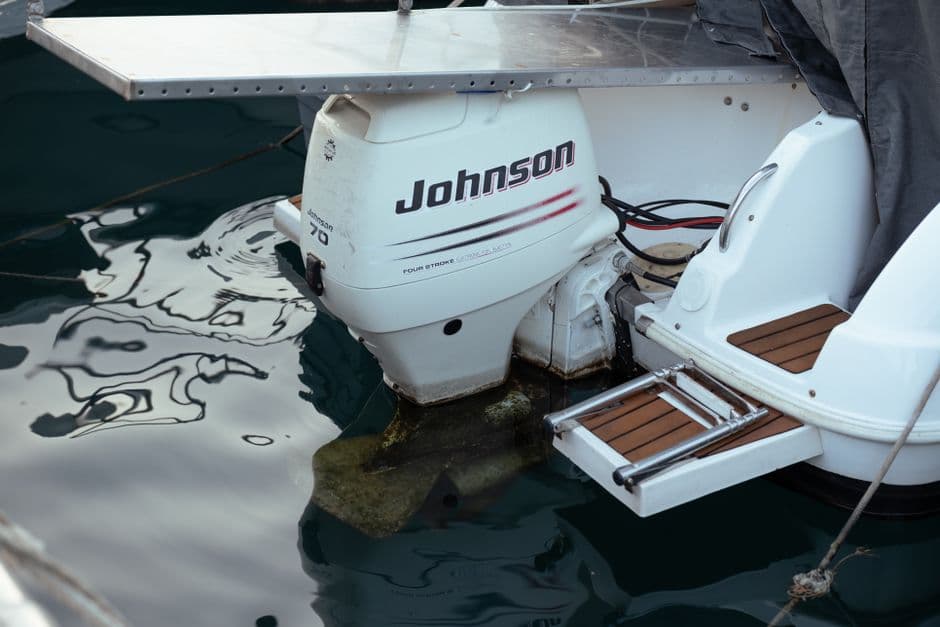
Engine maintenance: flushing, oil, and the impeller
Flush the engine with fresh water after every trip in saltwater or brackish water, no exceptions. Salt left in the cooling passages corrodes from the inside where you can't see it, and that's the single most common reason an outboard needs expensive cooling system work years before it should. Freshwater use is more forgiving but still benefits from an occasional flush.
Change the engine oil and lower unit gear oil on the manufacturer's schedule, usually once a season or every 100 hours, whichever comes first, and replace the water pump impeller every one to three years even if it looks fine. A failed impeller means the engine loses cooling entirely, and that failure often shows up as an overheat far from the dock, not at home during an inspection.
Hull maintenance: fouling, anodes, and through-hulls
Marine growth on the hull isn't just cosmetic, it drags on fuel economy and top speed the longer a boat sits in the water. Anti-fouling bottom paint slows this down but still needs inspection each season, along with the sacrificial zinc or aluminum anodes that corrode on purpose so the hull's metal fittings don't.
Check anodes for wear at least twice a season and replace any that are more than half gone, since a fully consumed anode stops protecting anything. While you're down there, check every through-hull fitting and hose clamp below the waterline. These are small, cheap parts, and they're also the parts responsible for most boats that sink at the dock.
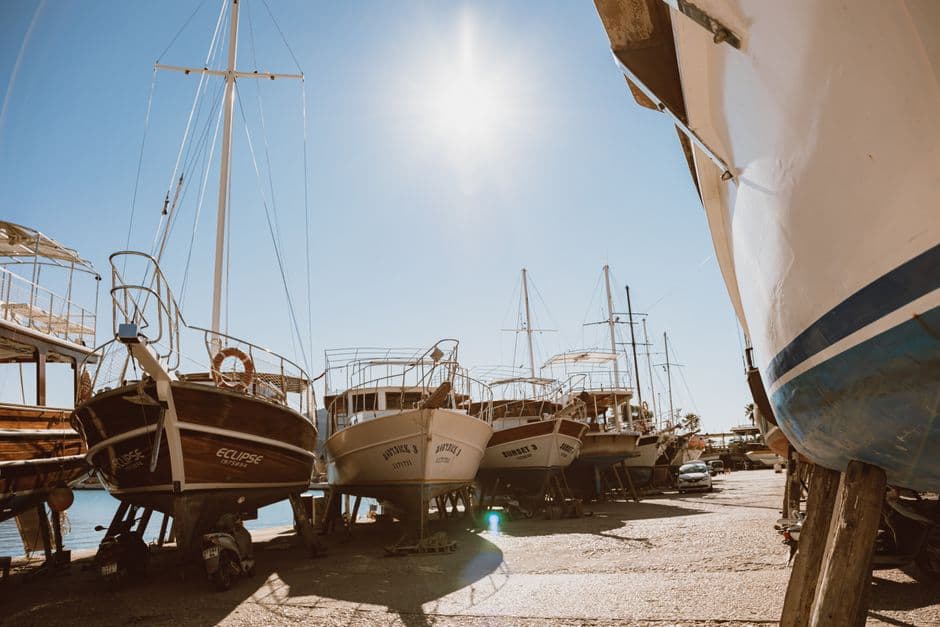
The trailer: the most neglected part of boat maintenance
Trailer bearings sit right next to a hot brake drum or hub, then get dunked in cold water at every launch, which is about the hardest environment bearings ever see. Repack them at least once a year, more often if you launch in saltwater, and check for play in the hub every time you hitch up.
Tires deteriorate from UV and age faster than tread wear on a trailer that mostly sits parked, so check the manufacture date on the sidewall, not just the tread depth, and replace tires older than five to six years regardless of how they look. Lights and wiring corrode from the same water exposure, so a pre-trip check of turn signals and brake lights takes thirty seconds and saves you a roadside stop.
Winterizing and off-season storage
Winterizing follows roughly the same logic as winterizing any engine that's about to sit unused for months: stabilize the fuel, change the oil before storage rather than after (used oil holds contaminants that damage internals sitting idle), fog the cylinders on a two-stroke outboard, and disconnect or maintain the battery with a smart charger.
Fully drain the cooling system and any water-filled lines before freezing temperatures hit. According to U.S. Coast Guard boating safety guidance, trapped water left to freeze is one of the most common causes of cracked engine blocks discovered each spring, and it's entirely preventable with a proper winterization.
Keeping records for a boat you'll eventually sell
Boats hold their value better with documented engine hours, oil changes, and winterization history, the same way a car does, but buyers are even more cautious about boats since a hidden engine problem is more expensive to discover after the sale. The BoatUS Foundation publishes seasonal checklists worth cross-referencing against your own routine.
Wheelscribe treats a boat the same as any other vehicle in the garage: one timeline for engine hours, oil changes, and winterization instead of a separate paper folder in the glovebox. The free plan is enough to start the habit before your first haul-out of the season.
Frequently asked questions
How often should I flush a boat engine?
After every trip in saltwater or brackish water, with no exceptions. Salt left in the cooling passages corrodes from the inside and is the most common reason an outboard needs expensive cooling system work years earlier than it should.
How often should boat trailer bearings be repacked?
At least once a year, more often if you launch in saltwater. Trailer bearings sit next to a hot hub and then get dunked in cold water at every launch, which is one of the hardest environments bearings see on any vehicle.
How often should a boat's sacrificial anodes be checked?
At least twice a season. Replace any anode that's more than half consumed, since a fully used-up anode stops protecting the hull's metal fittings from corrosion entirely.
What's the most important step in winterizing a boat?
Fully draining the cooling system and any water-filled lines before freezing temperatures hit. Trapped water that freezes and expands is one of the most common causes of cracked engine blocks discovered each spring.
Do boat trailer tires need to be replaced even if the tread looks fine?
Yes, past five to six years old. Trailer tires deteriorate from UV exposure and age faster than they wear down from mileage, since most trailers sit parked between trips. Check the manufacture date on the sidewall, not just the tread.
Start logging your car's history
One car, unlimited entries, free forever. See pricing for what Pro adds.
Create free account