
Car AC and Cooling System Maintenance
Vehicle air conditioning maintenance and cooling system care: cabin filters, refrigerant, coolant flushes, and the habits that prevent big repairs.
Two different systems, one overheated afternoon
Vehicle air conditioning maintenance and cooling system maintenance get lumped together because both involve the word “cool,” but they're separate systems with separate failure modes. The AC keeps you comfortable: compressor, condenser, refrigerant, cabin filter. The cooling system keeps the engine alive: coolant, radiator, water pump, thermostat. One failing means you sweat. The other failing can mean a warped head and a four-figure repair bill.
The good news is that both systems ask very little of you. The AC mostly wants to be used, and the cooling system mostly wants fresh coolant on schedule and a glance at the hoses now and then. This guide covers the handful of jobs that matter for each, what they cost, and which warning signs mean stop driving now rather than book a shop visit next month.
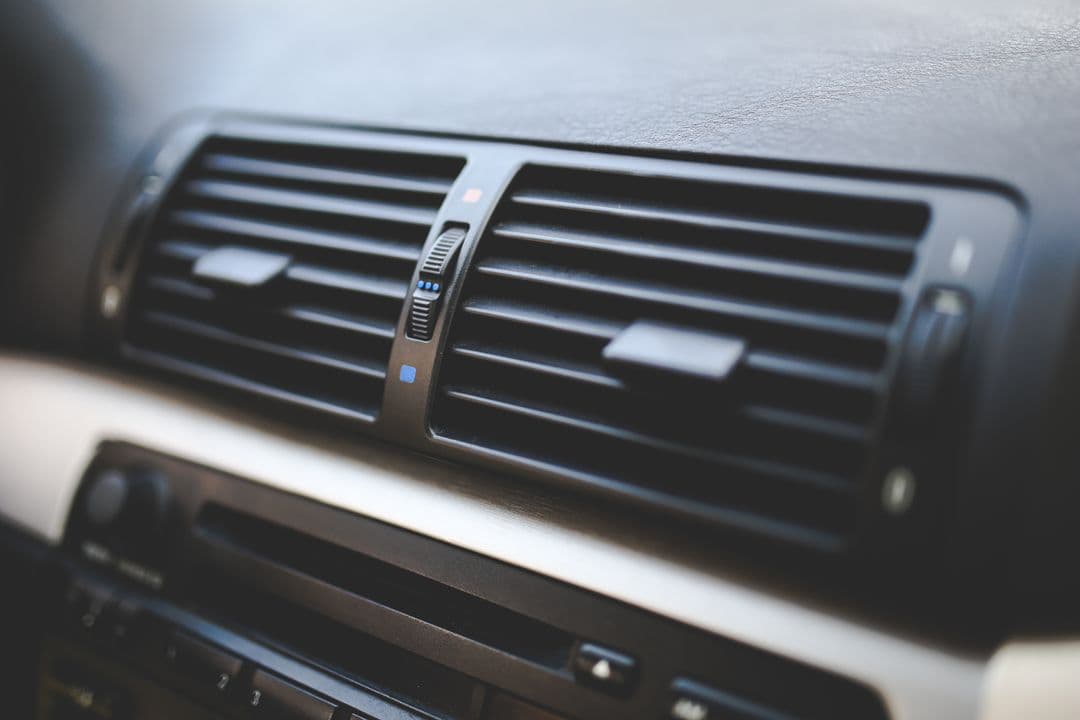
Car AC maintenance: three habits, almost no money
Run the AC for ten minutes every week or two, even in winter. That single habit keeps refrigerant oil circulating through the compressor seals, and dried-out seals are how most systems slowly lose their charge. Second, change the cabin air filter once a year or every 15,000 to 30,000 miles; it's usually behind the glovebox, costs $15 to $25, and takes five minutes. A clogged one makes the system work harder and blow weaker. Third, keep the condenser clean: it sits in front of the radiator collecting bugs and leaves, and a gentle rinse from the engine side restores airflow.
Musty smell when the fan starts? That's mildew on the evaporator. Run the fan on high with the AC off for a few minutes before parking to dry it out, or use an evaporator cleaner before paying anyone for a “deodorizing service.”
When the AC blows warm: refrigerant and leaks
An AC that blows warm has usually lost refrigerant, and refrigerant doesn't get used up; it leaks. A system that needs a recharge every summer has a hole somewhere, most often a seal, an O-ring, or a corroded condenser. Paying $150 for an annual recharge without a leak diagnosis is renting your own refrigerant. A shop with a UV dye kit or an electronic sniffer can usually find the leak in under an hour.
DIY recharge cans work in a pinch but make it easy to overcharge, which hurts cooling and can damage the compressor, and most cans can't tell you where the refrigerant went. Note that the EPA regulates automotive refrigerant handling: venting it is illegal, and newer R-1234yf systems are expensive enough to make professional service the sane route.
Car cooling system maintenance: coolant is a wear item
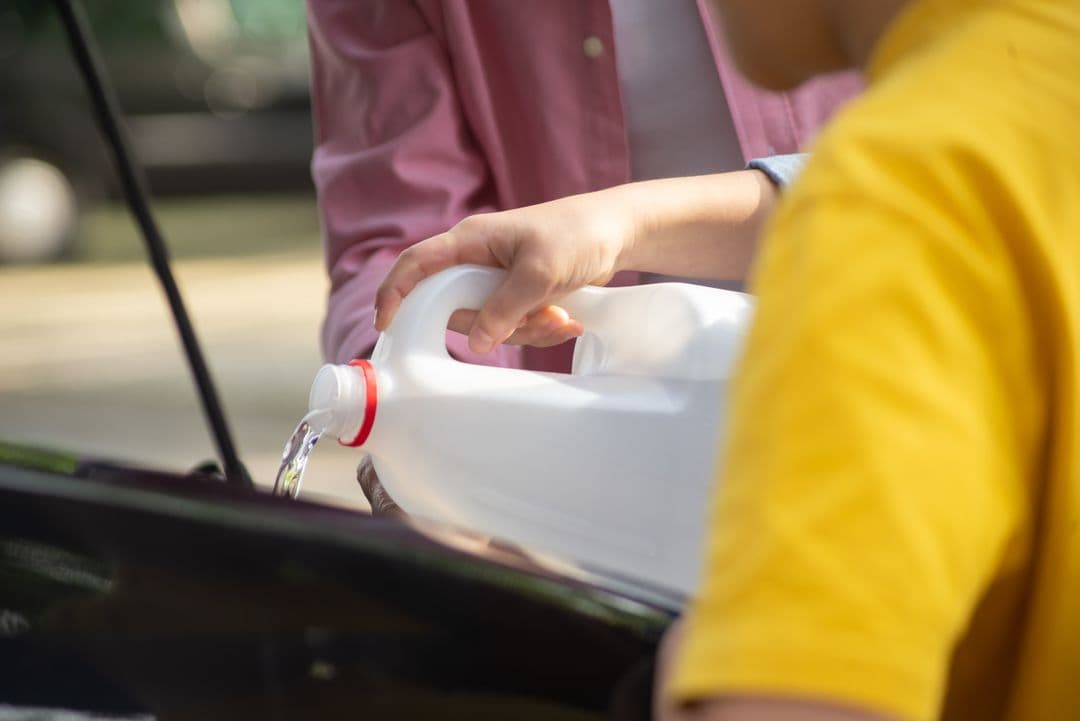
Coolant wears out. Its corrosion inhibitors deplete over time, and old coolant slowly eats the water pump, radiator, and heater core from the inside. Most modern long-life coolants are good for 5 years or 100,000 miles; older green coolant is more like 2 years or 30,000. Check your manual, use the exact type it specifies, and never mix colors: incompatible coolants can gel and block passages. Between flushes, glance at the overflow tank level monthly (cold engine only, the cap stays on) and top up with premixed 50/50 if it's low.
A slowly dropping level means a leak: look for crusty white or green residue at hose ends and the radiator seams, or a sweet smell after parking. Coolant on the garage floor is a today problem, not a someday problem.
Hoses, thermostat, water pump: the supporting cast
Squeeze the radiator hoses once or twice a year with the engine cold. They should feel firm and springy; soft, spongy, or crunchy means replace, and hoses are cheap insurance next to a roadside overheat. Thermostats fail in both directions: stuck open means slow warm-up and weak heat, stuck closed means overheating within minutes. Water pumps announce failure with a coolant weep from the small hole under the pulley or a bearing whine. On engines where the timing belt drives the pump, replace both together; the labor overlaps almost completely.
If the temperature gauge climbs past its normal spot, pull over and shut down. Heat plus cranked-up cabin heat can buy you a mile or two, but an aluminum engine driven hot doesn't forgive much. A tow is cheaper than a head gasket, every time.
Track the dates, because nobody remembers a coolant flush
Cooling and AC work is exactly the maintenance people lose track of, because the intervals are measured in years. Nobody forgets oil changes; everybody forgets whether the coolant went in two summers ago or five. Log the date, mileage, coolant type, and cost every time, along with cabin filters and any refrigerant work. Slot the intervals into a realistic maintenance schedule and the guesswork disappears.
Wheelscribe keeps every entry with its date, mileage, parts, and receipt photo in one timeline per car, so “when was the coolant done” is a search, not an argument. The free plan covers one car with unlimited entries, and there are more details in the FAQ.
Frequently asked questions
How often should car AC be serviced?
There's no fixed interval for refrigerant. Change the cabin filter yearly, run the AC regularly, and service the system when cooling weakens. A healthy system can hold its charge for many years, so a recurring annual recharge means there's a leak to fix.
How often should the cooling system be flushed?
Most modern long-life coolants last 5 years or 100,000 miles; traditional green coolant is closer to 2 years or 30,000 miles. Your owner's manual has the interval and the exact coolant type. Time counts even if the miles don't add up.
Why is my car AC blowing warm air?
Low refrigerant from a leak is the most common cause, followed by a failed compressor clutch, a bad blend door, or a clogged condenser. Since refrigerant doesn't get consumed in normal use, a low charge always points to a leak worth diagnosing.
Can I recharge my car's AC myself?
DIY cans exist and sometimes work, but they make it easy to overcharge the system and they don't find the leak that caused the low charge. Newer R-1234yf refrigerant is also expensive. A shop diagnosis usually pays for itself.
What happens if you never change engine coolant?
The corrosion inhibitors wear out and the coolant starts attacking the system from inside: radiators clog, water pumps pit, and heater cores fail. A $150 flush on schedule is cheap next to any one of those repairs.
Start logging your car's history
One car, unlimited entries, free forever. See pricing for what Pro adds.
Create free account