
Car Maintenance Cost by Vehicle Type
Car maintenance cost by vehicle type: how sedans, SUVs, trucks, luxury cars, and EVs compare on yearly upkeep, and why the vehicle you buy sets your baseline.
Why vehicle type is the starting point, not the whole story
Car maintenance cost by vehicle type sets your baseline before a single mile gets driven. A compact sedan and a full-size luxury SUV don't just cost different amounts to buy, they cost different amounts to keep running: bigger tires, bigger brakes, more fluid capacity, and often pricier parts and labor rates at the shops that service them. Our car maintenance cost guide covers the year-to-year breakdown; this one is about how that number shifts depending on what you drive.
Vehicle type explains a lot, but it isn't the whole picture. Two identical cars in two different driveways can post very different numbers depending on how they're driven and where they get serviced, something worth keeping in mind as you read the comparisons below.
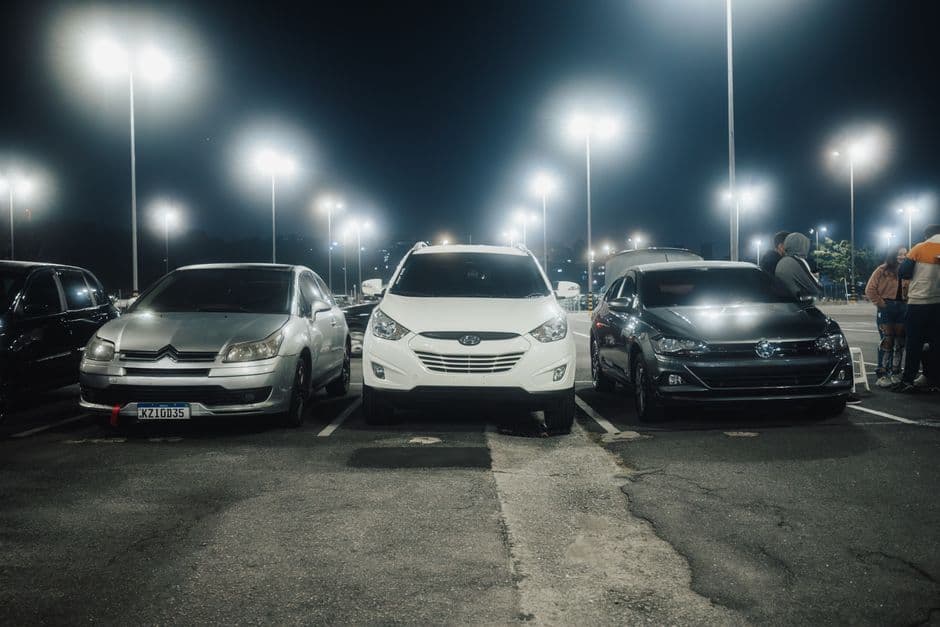
Sedans and compact cars: the baseline
Economy and midsize sedans are the cheapest category to keep running, usually landing around $400 to $800 a year for routine maintenance. Smaller engines need less oil, smaller tires and brake pads cost less to replace, and mainstream sedans are common enough that parts are cheap and any independent shop can work on them without a specialty diagnostic tool.
A well-documented sedan with a full service history also tends to hold its resale value better relative to its purchase price than most other categories, since buyers shopping for a used commuter car are especially sensitive to a spotty maintenance record.
SUVs and crossovers: it depends which kind
This category splits in two. A compact crossover built on a sedan platform, sharing the same engine and running gear, costs close to what its sedan sibling costs to maintain. A full-size, body-on-frame SUV is a different animal entirely: bigger tires, a heavier curb weight that wears brakes and suspension components faster, and often a truck-based drivetrain that pushes annual costs closer to $600 to $1,000.
Third-row SUVs used for regular towing or hauling add wear that a standard maintenance schedule doesn't fully account for. Our pickup truck maintenance schedule covers severe-service intervals that apply just as much to a full-size SUV doing the same kind of work.
Trucks, luxury cars, and EVs: the outliers
Trucks land in roughly the same range as full-size SUVs, with the added cost of towing-related wear on transmissions, differentials, and brakes for anyone who actually uses the bed and hitch. Luxury and European-brand vehicles sit at the top of the chart, often $1,000 to $2,000 or more a year, from a mix of pricier OEM parts, synthetic fluids the manual specifically requires, and labor rates at brand-specialist shops that run well above the neighborhood independent. Consumer Reports' ownership-cost research consistently ranks luxury and European brands at the top of lifetime maintenance spending for exactly these reasons.
Electric vehicles flip the script. No oil changes, no spark plugs, no exhaust or most emissions hardware, and regenerative braking that stretches pad life well past a comparable gas car's. Our EV and hybrid maintenance guide breaks down where the savings show up and the rare, pricier repairs that offset them.

What actually drives the difference beyond the vehicle
AAA's annual Your Driving Costs study has tracked ownership costs by vehicle segment for decades, and one theme holds up every year: the segment sets a range, but driving style and location move you around inside it. Stop-and-go city driving burns through brakes and fluids faster than the same mileage on a highway commute, and labor rates alone can shift a repair bill by 30 percent or more between a rural independent shop and a big-city dealer.
None of this is predictable from the sticker price alone, which is exactly why tracking your own car's actual costs beats relying on a segment average. Wheelscribe's service record log tracks what you've actually spent per vehicle, so you can see whether your specific car is running above or below its category and get started free with a single car.
Frequently asked questions
Which type of vehicle costs the most to maintain?
Luxury and European-brand vehicles top the list, driven by pricier parts, dealer-only diagnostic software on some models, and labor rates that run higher at brand-specific shops. Full-size trucks and SUVs come next mainly due to bigger tires, brakes, and fluid volumes, not more frequent service.
Are SUVs more expensive to maintain than sedans?
Somewhat, mostly from bigger, pricier tires and brake components rather than a fundamentally different service schedule. A compact SUV built on a sedan platform costs close to its sedan sibling; a full-size, body-on-frame SUV costs meaningfully more, closer to what a truck runs.
Do electric vehicles cost less to maintain than gas cars?
Yes, generally. EVs skip oil changes, spark plugs, and most exhaust and emissions work entirely, and regenerative braking stretches brake pad life well past a comparable gas car's. The tradeoff is faster tire wear from extra weight and instant torque, plus the rare but expensive out-of-warranty repair to a high-voltage component.
Why do two identical cars cost different amounts to maintain?
Driving style and environment matter as much as the vehicle itself. Stop-and-go city driving wears brakes and burns fuel faster than highway miles, towing or hauling adds strain most schedules don't account for, and a driveway wrench-turner pays a fraction of what the same job costs at a dealer.
How much should I budget per year for car maintenance?
A reasonable range is $400 to $800 a year for an economy or midsize sedan, $600 to $1,000 for a mainstream SUV or truck, and $1,000 to $2,000 or more for a luxury or European vehicle, before factoring in any unplanned repairs.
Does maintenance cost change as a car gets older?
Yes, it rises steadily after the 60,000 to 80,000 mile mark as wear items like suspension components, belts, and gaskets start reaching the end of their life around the same time. A car under warranty and a 10-year-old version of the same model can have very different real-world upkeep costs.
Start logging your car's history
One car, unlimited entries, free forever. See pricing for what Pro adds.
Create free account