
Electric & Hybrid Car Maintenance
What electric car maintenance really involves, how hybrid car maintenance differs, and the jobs an EV still needs even without oil changes or spark plugs.
Electric car maintenance is lighter, not zero
Electric car maintenance drops most of the jobs that fill a gas car's schedule. No oil changes, no spark plugs, no timing belts, no exhaust system, no fuel filters. A battery-electric drivetrain has a fraction of the moving parts, which is why EV owners spend noticeably less at the shop over a car's life. But “less” is not “none,” and the maintenance that remains is easy to forget precisely because there's so little of it.
The parts an EV shares with any car still wear: tires, brakes, suspension, cabin filter, wiper blades, and the humble 12-volt battery. A few EV-specific items join the list, like battery coolant on some models. The trap is complacency. An owner who never thinks about maintenance is the one who discovers worn tires and a dead 12-volt battery at the worst possible moment.
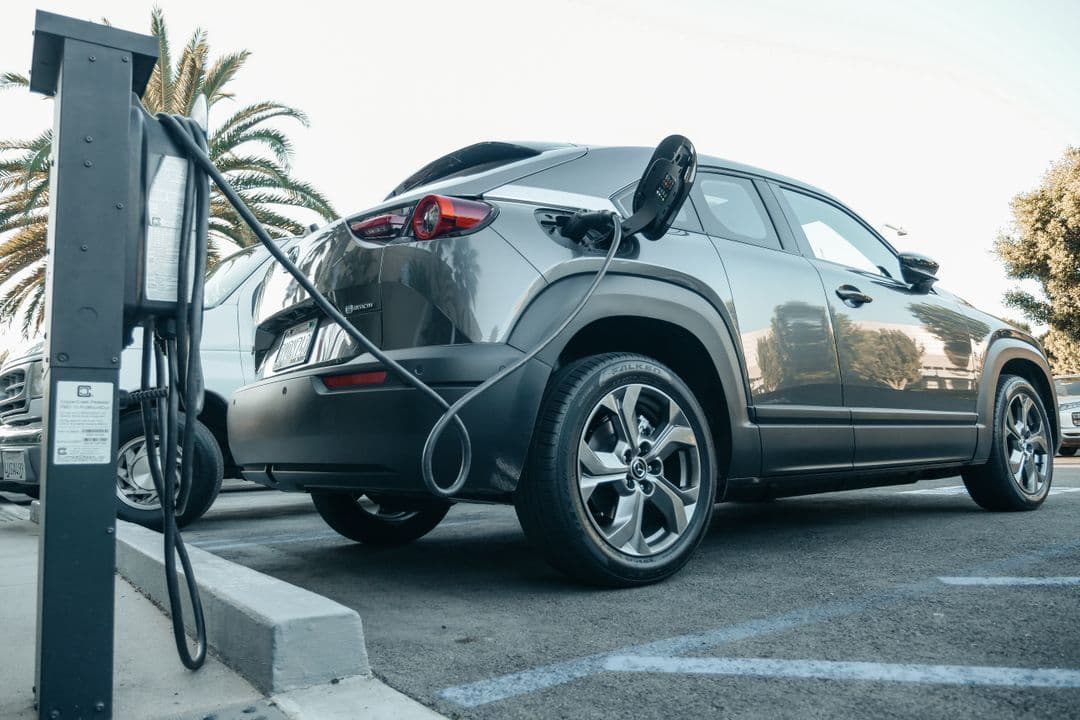
What an EV actually needs on schedule
Tires top the list, and they matter more on an EV than a gas car. Instant torque and heavy battery weight wear tires faster, so rotations every 5,000 to 7,500 miles and honest attention to tread depth pay off. Brake fluid still needs a flush every 2 to 3 years even though the pads barely wear, because regenerative braking does most of the stopping. Cabin air filters, wiper blades, and washer fluid are the same as any car.
Two EV-specific items round it out. Many EVs run coolant through the battery pack and power electronics, and that coolant gets checked or changed on a long interval, often past 100,000 miles. And the 12-volt battery, the one that runs the computers and unlocks the doors, still dies every few years like any other. The federal fueleconomy.gov guidance is a solid neutral reference on what each drivetrain requires.
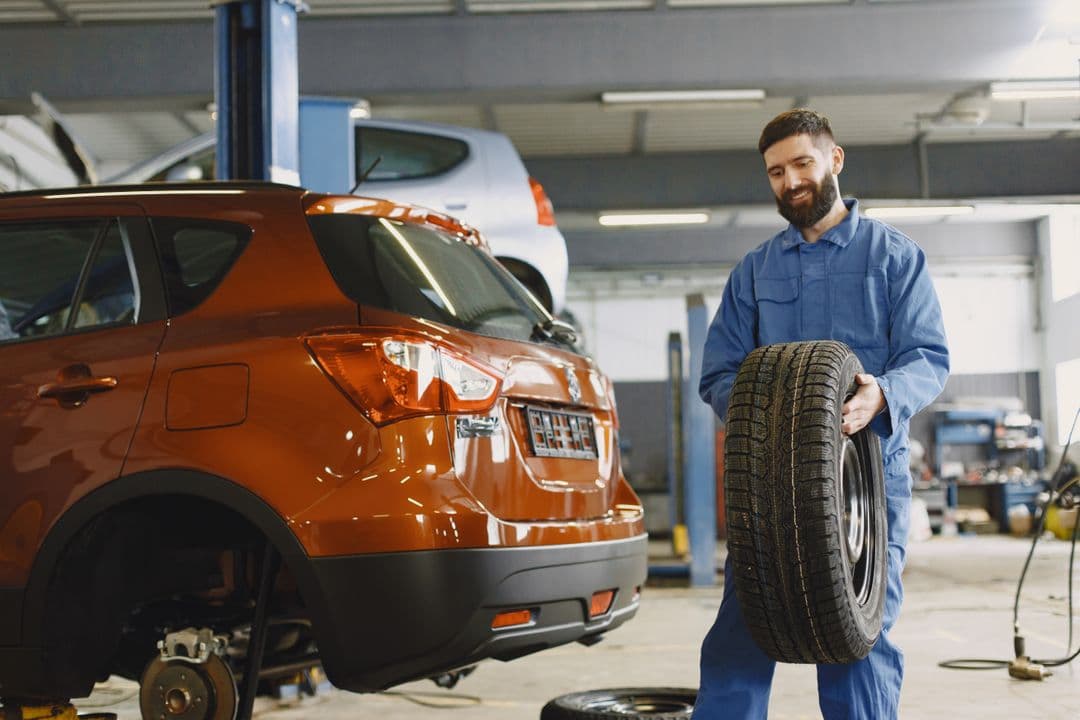
The high-voltage battery: what to actually do
The drive battery is the part everyone worries about and the part you maintain least directly. There's no fluid to top up and no filter to swap. What you can do is protect its long-term health through habits: avoid routinely charging to 100 percent or draining to near zero, keep it in the 20 to 80 percent range for daily use, and go easy on frequent DC fast charging when a slower charge would do. Heat is the enemy, so parking in shade during summer helps.
Most EV batteries carry an 8-year or 100,000-mile warranty against significant capacity loss, and real-world data shows they generally outlast that. Gradual range loss over many years is normal, not a failure. The practical maintenance move is simply logging your charging habits and any capacity readings, so a slow decline is visible as a trend rather than a surprise.
Hybrids: two powertrains, two sets of chores
Hybrid car maintenance is the interesting middle ground: you get the gas engine's needs plus a small electric side. The engine still wants oil changes, coolant, spark plugs, and filters on a normal schedule, so a hybrid isn't maintenance-free the way people assume. The upside is that the electric assist reduces engine load and regenerative braking spares the pads, so both the engine and brakes often last longer than in a pure gas car.
The hybrid-specific item most owners miss is the battery cooling intake, often a small filter or vent near the rear seat that needs cleaning to keep the hybrid battery cool. Plug-in hybrids add EV-style charging habits on top of all the gas-engine maintenance. It's genuinely the most to keep track of of any drivetrain, which makes writing it down more useful here than anywhere.
Maintenance costs: EV, hybrid, and gas compared
Over a typical ownership span, EVs cost the least to maintain, hybrids sit in the middle, and gas cars cost the most, mostly because of everything an EV skips: oil services, exhaust and emissions parts, and fuel-system work. Brake jobs also stretch out on both EVs and hybrids thanks to regenerative braking. Where EVs can bite back is tires and, rarely, an out-of-warranty repair to a high-voltage component that costs more than its gas equivalent.
The honest summary: an EV trades many small predictable costs for a few rare larger ones. That's a good trade for most people, but it changes what you should track. With a gas car you watch intervals; with an EV you watch tires, the 12-volt battery, and long-horizon items that are easy to forget because they come up so seldom.
Fewer jobs, so the ones left really count
The paradox of low-maintenance cars is that a light schedule is easier to ignore entirely. When there's no oil change forcing you into the shop twice a year, years can slip by without anyone checking the brake fluid or rotating the tires. Writing down the few things an EV or hybrid needs is what keeps a nearly maintenance-free car from quietly falling behind.
Wheelscribe logs every service and its date, mileage, parts, and receipt photo in one timeline per car, whether that's a tire rotation, a brake-fluid flush, or a note on battery capacity. Pair it with a plain take on maintenance intervals, and the free plan covers one car with unlimited entries to start.
Frequently asked questions
Do electric cars need maintenance?
Yes, just less of it. EVs skip oil changes, spark plugs, and exhaust work, but they still need tire rotations, brake fluid flushes, cabin filters, a 12-volt battery every few years, and occasional battery coolant service. The schedule is short but not empty.
What maintenance does an electric car need?
Tire rotations every 5,000 to 7,500 miles, brake fluid every 2 to 3 years, cabin air filter and wiper replacements, 12-volt battery replacement every few years, and battery/electronics coolant on a long interval that varies by model. Tires wear faster on EVs due to weight and instant torque.
Do hybrid cars need more maintenance than electric cars?
Yes. A hybrid keeps all the gas-engine maintenance, including oil, coolant, and spark plugs, and adds a small electric side such as the hybrid battery cooling intake. EVs drop the entire engine side, so they need the least maintenance of the three drivetrains.
How long do electric car batteries last?
Most EV drive batteries are warrantied for 8 years or 100,000 miles against major capacity loss, and real-world data shows many last well beyond that. Gradual range decline over years is normal. Avoiding constant 100 percent charges and excessive fast charging helps preserve capacity.
Are electric cars cheaper to maintain than gas cars?
Generally yes. EVs avoid oil services, emissions parts, and fuel-system work, and regenerative braking extends brake life, so routine costs are lower. The offsets are faster tire wear and the rare, pricier repair to a high-voltage component outside warranty.
Start logging your car's history
One car, unlimited entries, free forever. See pricing for what Pro adds.
Create free account