
Car Stereo Upgrade: Where to Start
A car stereo upgrade in the order that actually pays off: speakers, deadening, head unit, then amplification, plus the wiring details worth writing down.
The order that makes a car stereo upgrade worth the money
For most cars, a car stereo upgrade should go in this order: speakers first, sound deadening in the front doors second, a head unit third if you need one, and an amplifier or subwoofer last. Factory speakers are usually the weakest link, made of paper and foam with whatever budget was left over after the cupholders. Swapping them is the cheapest change you will actually hear from the driver's seat.
The order matters because each step changes what the next one can do. Adding a 700 watt amplifier to factory door speakers mostly buys you louder distortion. Getting the speakers and the doors right first means a modest amp later has something worth driving.
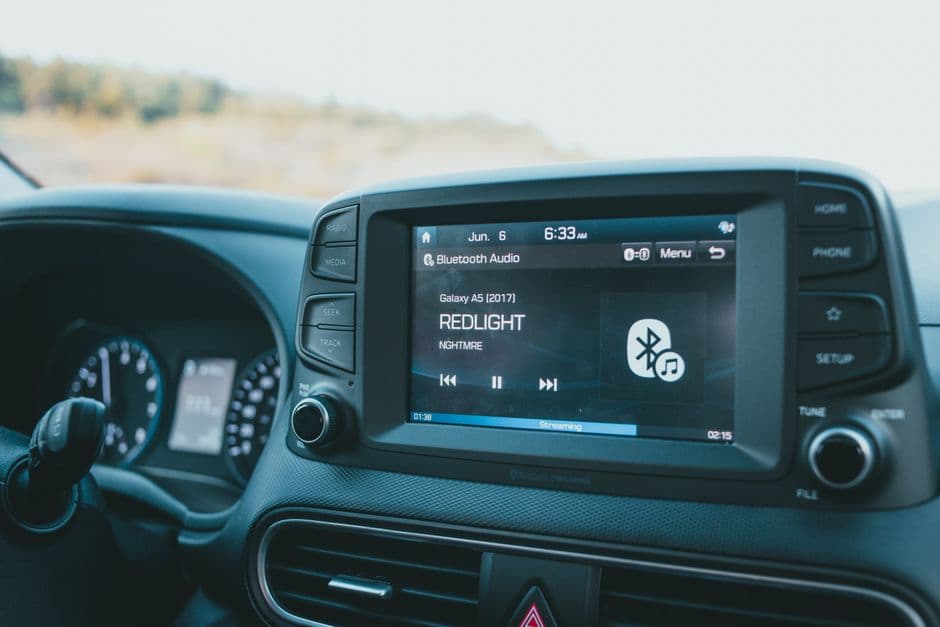
Speakers: coaxial or component, and how much power they need
Coaxial speakers put the tweeter in the middle of the woofer and drop straight into the factory hole, which makes them the easy answer for a first car speaker upgrade. Component sets separate the tweeter so you can mount it higher in the door or the A-pillar, which lifts the sound stage up near the windshield instead of leaving it around your knees. Components sound better and take an afternoon longer.
Most factory head units put out somewhere around 15 to 18 watts RMS per channel, so look for speakers with high sensitivity, roughly 90 dB or above, if you are not adding an amp yet. Ignore the peak-power number printed on the box in large font. RMS is the figure that means something, and the Consumer Technology Association's audio standards exist because manufacturers kept inventing their own.
Sound deadening is the cheapest upgrade nobody does
A car door is a thin steel box with holes in it, which is close to the worst speaker enclosure you could design on purpose. Sticking damping mat on the outer skin behind the speaker, then covering the access holes on the inner skin, stops the panel ringing and keeps the back wave from cancelling the front. Bass tightens up noticeably, and road noise drops a little as a bonus.
You do not need to cover every square inch. Two or three sheets per front door covers the area that matters, and the doors are already apart if you are replacing speakers anyway. Take photos of the clips and the wiring before the door card comes off, because reassembly is where most people find a spare bolt and a rattle.
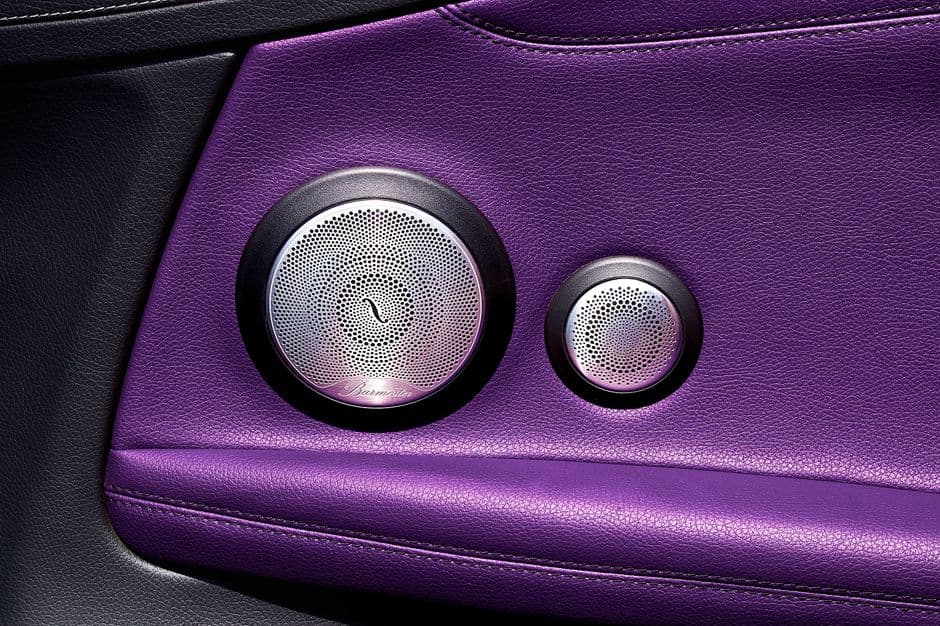
When a head unit swap makes sense
Replace the head unit when you want CarPlay or Android Auto, or when you need preamp outputs to feed an amplifier cleanly. On older cars this is a two hour job with a dash kit and a wiring harness adapter, and nothing gets cut. On newer cars where the screen also controls climate, parking sensors, and vehicle settings, a full replacement gets expensive fast, and an integration module is usually the better route.
Whatever you fit, mount it where you can work it without staring at it. Touchscreens with buried menus are a real problem on the move, which is exactly the behavior NHTSA describes in its distracted driving guidance. Physical volume knobs still win.
Amplifiers and subwoofers without cooking the electrics
Match the amplifier's RMS output per channel to the speaker's RMS rating and you will be fine. A four channel amp around 50 to 75 watts RMS per channel drives a good component set properly, and a single 10 or 12 inch sub on a 300 to 500 watt mono amp adds the bottom end without turning the car into a parade float.
- Fuse the power wire within 18 inches of the battery. This is a safety item, not a suggestion.
- Run power down one side of the car and signal down the other. Running them together is how you get alternator whine.
- Ground to bare metal on the chassis. Sand the paint off and use a short, thick wire.
- Set gains by ear at low volume, not to maximum. Gain is a sensitivity control, not a loudness knob.
Write down what you did before the panels go back on
Six months later, when a channel cuts out or you sell the car, nobody remembers which fuse feeds the amp, what the gain was set to, or which speaker model went in the rear doors. Photograph the wiring runs, note the part numbers, and record the gain and crossover settings while the trim is still off. It takes five minutes and saves an evening of pulling panels to answer one question.
An audio install belongs in the same build record as the rest of your work. Wheelscribe keeps a build log per car with photos and receipts attached to each entry, the same way you would log suspension or intake work. The free plan covers one car with unlimited entries, which is enough to document a full audio build from the first speaker to the last cable tie.
Frequently asked questions
What should I upgrade first in a car stereo?
Front speakers, then sound deadening in those doors. Factory speakers are the weakest part of almost every stock system, and replacing them is cheaper than a head unit or an amp. You will hear the difference on the first drive.
Do I need an amplifier for new car speakers?
Not straight away. Speakers rated around 90 dB sensitivity or higher run fine off a factory head unit's 15 to 18 watts per channel. An amp becomes worthwhile once you want more volume without distortion, or once you add a subwoofer.
Is a car sound system upgrade worth it on an older car?
Usually yes, because older cars have simpler dashboards and cheaper factory audio. A speaker and head unit swap on a car from the 2000s costs a few hundred dollars and takes an afternoon, with no coding or integration modules involved.
Will an aftermarket stereo drain my battery?
A normal head unit and speaker upgrade draws so little that it makes no practical difference. Large amplifiers can pull real current, so keep the engine running for long listening sessions and check that your alternator and ground wiring are up to the load.
Can I keep my factory screen and still upgrade the sound?
Yes. Line-output converters and digital sound processors tap the factory signal, clean it up, and feed an amplifier, which keeps the stock screen and its vehicle settings intact. That is the usual approach on newer cars where the screen controls more than audio.
Start logging your car's history
One car, unlimited entries, free forever. See pricing for what Pro adds.
Create free account