
Honda Civic Mods That Are Worth It
The Honda Civic mods worth doing first, from tires and suspension to intake and exhaust, what to skip, and how to keep a build log of every part.
The Honda Civic mods worth doing first
The best Honda Civic mods are the ones that make the car feel better every day: tires, suspension, wheels, and brakes, in that order. A Civic already has a good chassis under it, which is exactly why the cheap stuff works so well. Chasing horsepower first on a naturally aspirated Civic is how people end up with a loud car that is no quicker.
- Tires. A proper summer or all-season performance tire changes braking and turn-in more than any other single part.
- Suspension. Lowering springs on factory dampers, or a matched coilover set if the budget stretches.
- Wheels. Lighter is better, and 17s in a sensible offset beat 19s for ride and grip.
- Brakes. Better pads plus fresh fluid and stainless lines, before any big-brake kit.
- Then breathing. Intake, exhaust, and a tune, once the rest of the car can use the power.

Suspension and wheels: where a Civic really changes
Suspension is the Civic mod with the biggest gap between cost and payoff. Quality lowering springs drop the car an inch or so, cut body roll, and cost less than a set of tires. The catch is that springs alone on tired factory dampers ride badly and wear those dampers out faster, so budget for both if the car has any miles on it. Coilovers give you ride height and damping adjustment, but cheap ones ride worse than stock and rust in one winter.
Get an alignment after anything suspension related. Lowering a Civic pulls camber negative and eats the inside edge of your new tires in a few thousand miles if you skip it. On wheels, chase weight rather than diameter: a lighter 17-inch wheel with a taller sidewall out-handles and out-rides a heavy 19 on nearly every road you actually drive.
Intake, exhaust, and honest power numbers
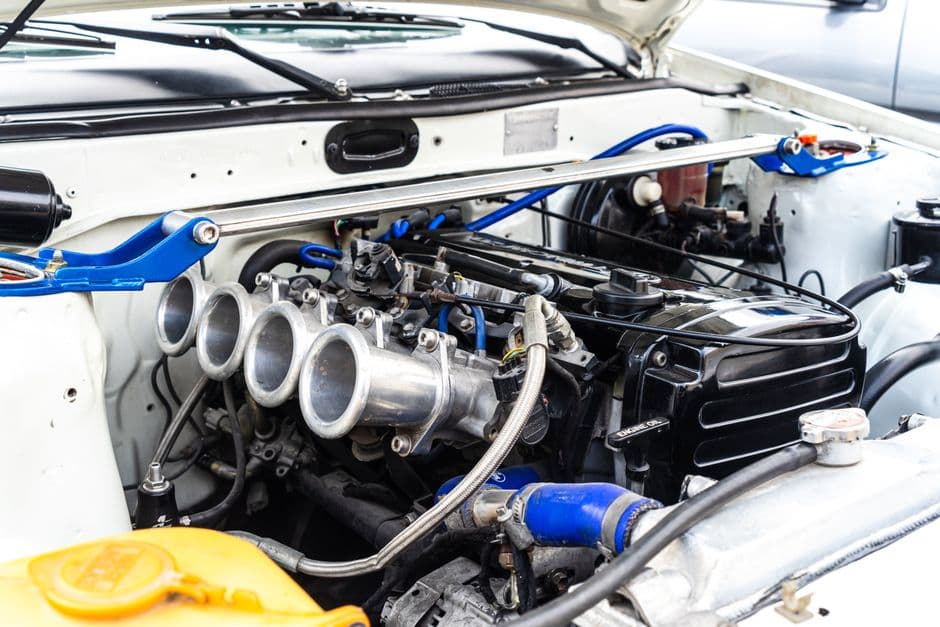
Be realistic about bolt-ons. On a naturally aspirated Civic, a cold air intake and a cat-back exhaust together are worth single-digit horsepower and a lot of noise. They are fine mods if you want the sound and the response, but nobody wins a stoplight with them. The turbocharged Civics are the opposite story: a tune alone can be worth a real chunk of power and torque, and intake and downpipe upgrades actually feed it.
Whatever you bolt on, keep the maintenance side sharp. More boost and more revs mean fluids matter more, not less, so stay on top of oil changes and use the interval your engine actually calls for. Honda Owners has the factory service data for your exact year and trim, which is the number that matters once a car is modified.
Boost, swaps, and knowing where to stop
Turbo kits and K-series swaps are the deep end of the Civic scene, and they are deep for a reason. A boosted build needs fuelling, cooling, and a clutch that can hold the torque, and a swap drags in mounts, axles, wiring, and a title-and-inspection conversation depending on where you live. Both are rewarding projects. Neither is a weekend.
If the Civic is your only car, keep it in the reliable tier and enjoy it. If it is a second car or a dedicated project, plan the whole build before the first part arrives so you are not buying an intercooler twice. Car and Driver is a decent starting point for stock figures on your generation before you decide what more actually means.
Mods to skip, plus warranty and emissions
Skip the parts that only look fast. Fake vents, wings with no downforce, and an exhaust tip wide enough to post mail through do nothing but cost resale. Extreme lowering, aggressive camber, and stretched tires wreck the ride and chew through parts. Cutting emissions equipment is the expensive one: it is illegal in most places, fails inspection, and tanks the value of an otherwise clean car.
On warranty, a modification does not automatically void anything. A dealer has to show that a specific part caused the failure they are refusing to cover, though powertrain and tune-related claims are where that argument gets real. Keep every factory part you take off, and keep the receipts and dates for what went on, which is much easier if you write it down as you go rather than reconstructing it later.
Keep a Civic build log as you go
Log every mod the day it goes on: the part, the brand and part number, the date, the mileage, and what it cost. Six months later, when something rattles at 3,000 rpm or a buyer asks what is on the car, that list answers the question in seconds. It also keeps you honest about the total, which is either motivating or terrifying.
Wheelscribe keeps mods and maintenance in one timeline, so an intake install sits next to the routine service that keeps the car alive, the same way our model-specific schedule guides treat factory intervals. You can attach photos and receipts to every entry, and the free plan covers one car, which is usually the one being modified.
Frequently asked questions
What is the best first mod for a Honda Civic?
Tires. A good performance tire improves braking, cornering, and wet grip on a Civic more than any bolt-on engine part, and you feel it immediately. Suspension is the natural second step, followed by wheels and brake pads.
Do cold air intakes and exhausts add power to a Civic?
Barely, on a naturally aspirated Civic. Expect single-digit horsepower from an intake and cat-back exhaust together, mostly noticeable as sound and throttle response. On turbocharged Civics a tune with supporting intake and downpipe upgrades makes a genuine difference.
Will modifying my Civic void the warranty?
Not automatically. The dealer has to show a specific modification caused the failure being claimed, so bolt-ons rarely matter but tunes and powertrain parts invite scrutiny. Keep your factory parts and dated receipts, and check your local emissions rules before anything under the hood changes.
Should I lower my Civic with springs or coilovers?
Springs are the cheaper route and work well on healthy factory dampers, but they wear tired dampers out faster. Coilovers give adjustable ride height and damping at a higher price, and budget sets often ride worse than stock. Get an alignment either way.
How much do Honda Civic mods cost?
A solid handling-first round of tires, springs, and brake pads typically lands in the low four figures with an alignment included. Turbo kits and engine swaps run several times that once you add fuelling, cooling, and clutch work, which is why a written build budget helps.
How do I keep track of the mods on my Civic?
Record each part the day you install it: brand, part number, date, mileage, and cost, with a photo and the receipt attached. A build log makes troubleshooting far easier and gives a buyer real proof of what went into the car.
Start logging your car's history
One car, unlimited entries, free forever. See pricing for what Pro adds.
Create free account