
Car Suspension Maintenance: Signs of Wear
Car suspension maintenance means catching worn shocks, bushings, and ball joints early. Here's what to check, how often, and when a clunk means more.
What car suspension maintenance actually means
Car suspension maintenance is routine inspection of the parts that wear quietly: shocks, struts, bushings, ball joints, and tie rods. None of them are on a fixed calendar interval the way oil is. They wear on mileage, road conditions, and time, and the only way to catch them before they fail is to actually look and listen on a schedule.
That's a different topic from installing coilovers or lowering springs, which is a performance project covered on the modification side of the site rather than here. This post is about keeping the suspension your car already has working the way it was designed to, not changing what it does.
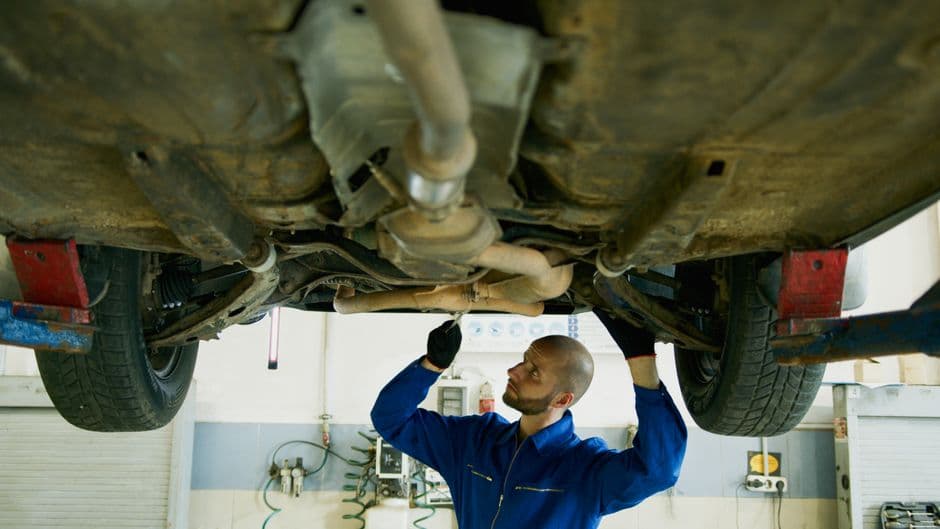
The sounds and feel that mean something's worn
A clunk over bumps usually means play in a bushing or ball joint, not a shock problem. A car that keeps bouncing two or three times after you cross a dip, instead of settling in one motion, has shocks or struts that have lost their damping. Steering that feels vague or wanders slightly at highway speed points to tie rods or ball joints with more play than they should have.
According to NHTSA's vehicle safety guidance, worn suspension components should be inspected on the manufacturer's recommended schedule and replaced as needed, since they directly affect stopping distance and control. None of these symptoms are subtle once you know what they're pointing at.
Shocks and struts: what fails and when to replace them
Shocks and struts fail two ways: a fluid leak you can see on the housing, or a slow loss of damping you mostly feel. The bounce test still works as a quick check: press down hard on a corner of the car and let go. One bounce and it settles is healthy. Two or three bounces means that corner's shock is on its way out.
Most shocks and struts last somewhere between 50,000 and 100,000 miles under normal driving, less on rough roads or with a lot of towing. Replace them in pairs, front or rear together, since mismatched damping side to side changes how the car handles under hard braking. Les Schwab's inspection checklist covers the visual side of this in more detail if you want to check it yourself before a shop does.
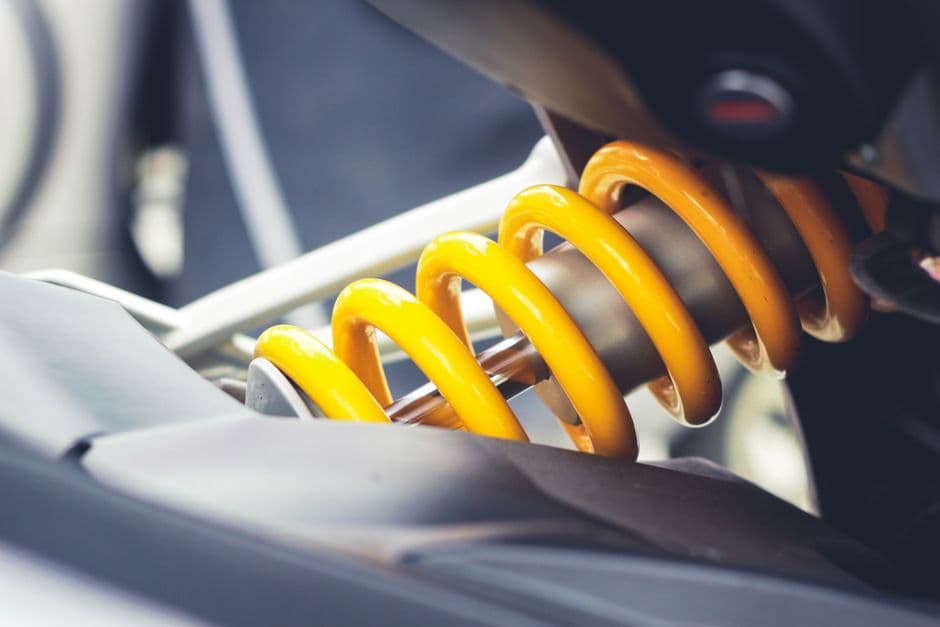
Bushings, ball joints, and tie rods: the parts that wear quietly
Rubber bushings dry out and crack with age even on a car that isn't driven much, which is why an older low-mileage car can still clunk. A worn ball joint is the one item on this list that's a genuine safety issue rather than just a comfort one: too much play and a wheel can separate from the suspension entirely.
None of these are DIY-diagnose-by-ear reliably. A shop checks them by grabbing the wheel at the top and bottom and rocking it while the car's on a lift, looking for movement that shouldn't be there. If a shop flags a ball joint during any other service, treat it as a next-appointment item, not a someday one.
Why worn suspension shows up as uneven tire wear first
Suspension wear rarely announces itself directly. More often it shows up as feathered or cupped tire wear, an alignment that won't hold, or stopping distances that feel longer than they used to. If a shop keeps recommending alignments that don't stick, worn bushings or ball joints are usually the reason, not the alignment itself.
That's the case for treating suspension as its own maintenance category instead of something you only think about after a pothole. Catching it early is cheaper than replacing a set of tires that wore out four years early because of it.
What to log after a suspension inspection
Every inspection is worth a line in your maintenance log even when nothing needs replacing yet: the mileage, what was checked, and what a mechanic flagged as “fine for now, watch it.” That note is what tells you six months later whether a clunk is new or something you were already tracking.
A torque wrench and a set of jack stands make this easy to check yourself between shop visits, and our car maintenance tools guide covers what's actually worth buying for that. Wheelscribe keeps every inspection tied to the mileage it happened at, so the pattern is visible instead of scattered across memory and old receipts. It's free to start.
Frequently asked questions
How often should car suspension be inspected?
At every oil change is a reasonable baseline, with a closer look at shocks, struts, and bushings every 50,000 miles or sooner if you're hearing clunks or feeling extra bounce over bumps.
What does a bad ball joint sound like?
A clunk or knock over bumps and rough roads, sometimes a squeak at low speed when the joint is dry. Any play a mechanic finds when rocking the wheel by hand means it needs replacing soon, since a failed ball joint can let a wheel separate.
How long do shocks and struts last?
Roughly 50,000 to 100,000 miles under normal driving, less with rough roads, towing, or a lot of stop-and-go. A fluid leak on the housing or repeated bouncing after a bump both mean it's time to replace them.
Can worn suspension cause uneven tire wear?
Yes, and it's often the first visible symptom. Feathered or cupped wear patterns, or an alignment that won't hold, usually point to worn bushings, ball joints, or tie rods rather than a fresh alignment problem.
Is car suspension maintenance the same as a suspension upgrade?
No. Maintenance keeps the suspension your car already has working as designed: inspecting and replacing worn shocks, bushings, and joints. An upgrade, like coilovers or lowering springs, changes how the car rides and handles.
Do I need an alignment after replacing suspension parts?
Yes, any time you replace a part that affects ride height or steering geometry, including shocks, struts, control arms, or tie rods. Skipping the alignment usually shows up as fast, uneven tire wear within a few thousand miles.
Start logging your car's history
One car, unlimited entries, free forever. See pricing for what Pro adds.
Create free account