
Dirt Bike Maintenance Guide: What to Check Every Ride
A dirt bike maintenance guide covering air filters, chain tension, premix ratios, and suspension service, so nothing quits on you mid trail.
What dirt bike maintenance actually covers
Dirt bike maintenance means the same handful of jobs as any bike, oil, air filter, chain, brakes, but on a much tighter clock. Dust chews through a foam air filter in a single moto, mud packs into a chain in one wet ride, and the impacts from jumps and rocks loosen bolts a street bike never has to deal with. Treat the intervals in your owner's manual as a ceiling, not a target, especially if you're riding in sand or dust every weekend.
The good news is that none of it takes a shop. Most of what keeps a dirt bike running is a twenty-minute routine you can do in the garage before or after a ride. If you're building out a full build log alongside the maintenance, Wheelscribe's enthusiasts page covers how riders track both in one place.
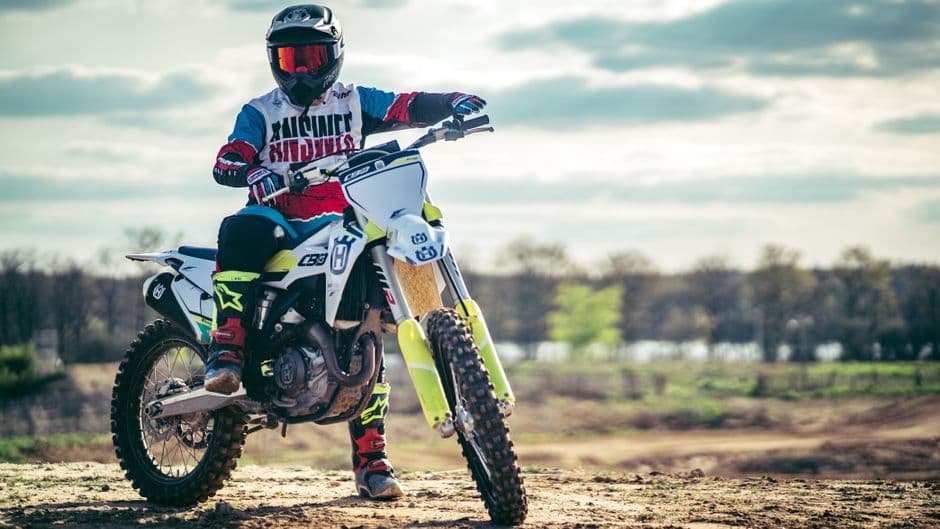
Clean and oil the air filter after every ride
A dirty air filter is the fastest way to kill a dirt bike engine, since dust that gets past a clogged or torn filter turns into grinding paste inside the cylinder. Pull the filter after every ride in dusty or sandy conditions, not just when it looks obviously dirty, since a foam filter loads up long before it looks bad.
Wash it in filter cleaner or dish soap, let it dry completely, then submerge it in filter oil and work the oil through by hand until it's evenly saturated. Squeeze out the excess (don't wring it, that tears the foam) until no more oil drips out. Cycle News' air filter maintenance guide covers the process in more detail if it's your first time.
Check chain tension and lube it every few hours
Chain tension on a dirt bike loosens fast, since swingarm travel and constant impacts work the links harder than a street bike's smoother ride does. The three-finger rule is the quickest field check: with the bike on a stand, fit three fingers between the chain and swingarm at the middle of the lower run. Most bikes want 25 to 30 millimeters of slack there, though your owner's manual has the exact number.
Lube the chain every couple of rides, sooner if you've been through water or sand, since grit works its way into the O-rings and wears them from the inside. MotoSport's chain tension guide walks through the adjuster-bolt setup if your bike's spec differs from the three-finger rule.
Mix two-stroke fuel at the right ratio, or stay on top of four-stroke oil
If you're running a two-stroke, premix ratio isn't a place to guess. Common ratios run from 50:1 up to 20:1 depending on the bike and the oil, and running the mix too lean, not too rich, is what actually kills top ends. Check your owner's manual for the factory ratio and measure it rather than eyeballing it.
Four-stroke riders skip the premix step but still need an oil change every 10 to 20 hours of riding, sooner in dusty conditions where contamination builds up faster than the interval assumes. Change the oil filter at the same time if your bike has one; skipping it defeats half the point of the oil change.
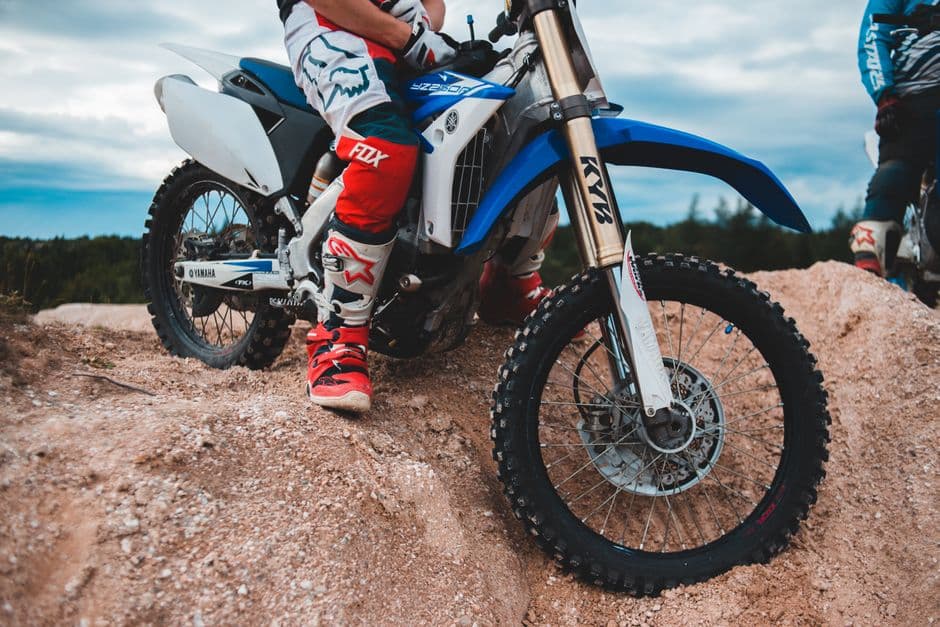
Service the suspension before it costs you more
Fork and shock service gets skipped more than almost anything else on a dirt bike, mostly because it still works fine right up until it doesn't. Fork oil breaks down and picks up metal particulate over time, which shows up as a fork that feels harsh or inconsistent even though nothing looks visibly wrong.
A reasonable baseline is a fork oil change every 20 to 30 hours and a full shock service, seals, bushings, nitrogen charge, once a season if you ride regularly. Sag (how much the suspension compresses under your weight) is worth checking any time you change riding style or add gear, since it's the setting most riders never touch after the first setup.
Run a quick post-ride bolt and fluid check
Vibration and impacts loosen fasteners on a dirt bike faster than on almost any other type of vehicle. After a hard ride, run a hand check over axle nuts, footpeg bolts, handlebar clamps, and spoke tension, since a loose spoke you catch early is a five-minute fix and a loose spoke you don't catch is a bent rim.
Top off coolant if your bike is liquid-cooled and check brake fluid level while you're at it. None of this takes more than five minutes, and doing it right after a ride, while the bike's still fresh in your mind, catches problems before the next ride instead of during it.
Keep a maintenance log so nothing slips through
With intervals this short, memory stops being a reliable system fast. It's easy to lose track of exactly which ride the fork oil went in or how many hours are on the current chain, especially once you're juggling more than one bike or splitting time between trail and track.
Wheelscribe's features let you log mileage or hours, parts used, and photos against each bike, so the chain lube from three rides ago is one search away instead of a guess. It's free to start, and the same habits carry over cleanly from our guide to motorcycle maintenance on the street side.
Frequently asked questions
How often should I clean a dirt bike air filter?
After every ride in dusty or sandy conditions, and at minimum every few hours of riding even in cleaner conditions. A foam filter loads up with fine dust well before it looks dirty enough to notice.
What's the correct chain slack on a dirt bike?
Most dirt bikes want 25 to 30 millimeters of slack at the midpoint of the lower chain run, checked with the bike on a stand using the three-finger rule. Your owner's manual has the exact spec for your model.
What two-stroke premix ratio should I use?
Use whatever ratio your owner's manual specifies for your engine and oil, commonly somewhere between 50:1 and 20:1. Running the mix too lean is the more common way to damage a top end, so measure it rather than estimating.
How often should I change the oil on a four-stroke dirt bike?
Every 10 to 20 hours of riding is a reasonable baseline, shortened further if you're riding mostly in dust or sand. Change the oil filter at the same time if your bike has one.
Do dirt bike forks and shocks really need regular service?
Yes. Fork oil degrades and picks up metal particulate that makes the ride feel harsh well before anything looks visibly wrong, so a service every 20 to 30 hours for forks and once a season for the shock keeps the suspension performing as designed.
What should I check on a dirt bike after every ride?
Axle nuts, footpeg bolts, handlebar clamps, spoke tension, coolant level, and brake fluid. Vibration and impacts loosen fasteners on a dirt bike faster than on almost any other vehicle, so a five-minute check after each ride catches problems early.
Start logging your car's history
One car, unlimited entries, free forever. See pricing for what Pro adds.
Create free account