
ECU Tuning Maintenance: Care After a Tune
An ECU tuning maintenance guide covering stock file backups, watching for knock, retuning after mods, and logging tunes for warranty and resale.
What ECU tuning maintenance actually means
ECU tuning maintenance is everything that happens after the tune, not the tuning session itself. That means keeping a backup of your stock file, watching how the engine actually behaves under the new calibration, retuning when you add supporting hardware, and keeping a record of which tune is currently loaded and why. A tune isn't a one-time event you can forget about the moment it's flashed.
Skip the upkeep and a tune that made good power on day one can quietly drift into knock, a rough idle, or a check engine light months later as fuel quality, weather, or wear changes what the engine can safely handle. If you're tracking a build alongside the tuning, Wheelscribe's enthusiasts page covers keeping mods and maintenance in the same place.
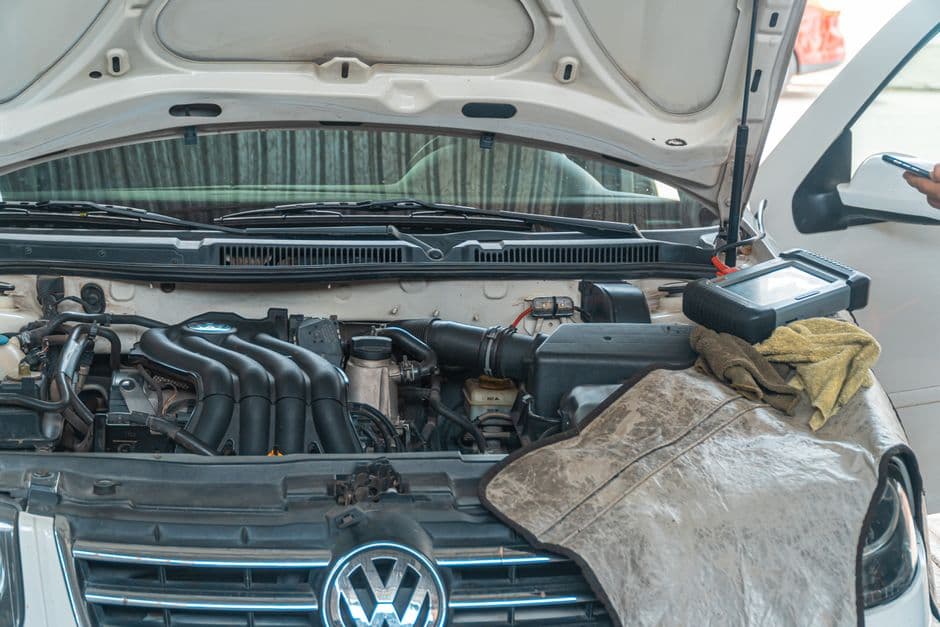
Back up your stock file before anything gets flashed
Before the first custom tune ever gets written to your ECU, read and save the factory file. Per HP Tuners' own guidance on reading and flashing an ECM, that stock file is what lets you return the car to factory calibration for emissions testing, a warranty claim, or a trade-in, and there's no way to recreate it later if it's lost.
Keep a copy somewhere that survives a dead laptop, a cloud folder or a second drive, not just the tuning software's local cache. Label it with the date and the car's mileage at the time, since “stock_final.bin” from three tunes ago is a lot less useful without that context.
Watch for knock and check long-term fuel trims after a tune
A new tune should get watched closely for its first few hundred miles, not just driven and forgotten. Knock retard on a live data log is the clearest red flag: any consistent pulled timing under load means the tune is asking for more than the fuel, weather, or engine condition can currently deliver, and it's worth backing off or having the tuner revisit it.
Long-term fuel trims drifting further from zero over weeks, not just one drive, is the other thing to track, since it can flag a vacuum leak, a failing sensor, or a tune that's aging worse than expected as the seasons change. Most tuning software logs this automatically; the maintenance is actually looking at the log instead of letting it pile up unread.
Piggyback tuners need their own kind of upkeep
A piggyback tuner intercepts sensor signals between the engine and the factory ECU instead of rewriting the ECU's software directly, which is why it doesn't need a stock file backup the same way a full flash does. What it does need is a physical check: connectors and grounds vibrate loose over time, especially on a module mounted near the engine, and a flaky connection reads to the ECU exactly like a failing sensor.
Recheck the module's mounting and wiring every few thousand miles, and keep the unit's firmware and base maps current with whatever updates the manufacturer releases, since older firmware occasionally has known quirks that a later version already fixed.
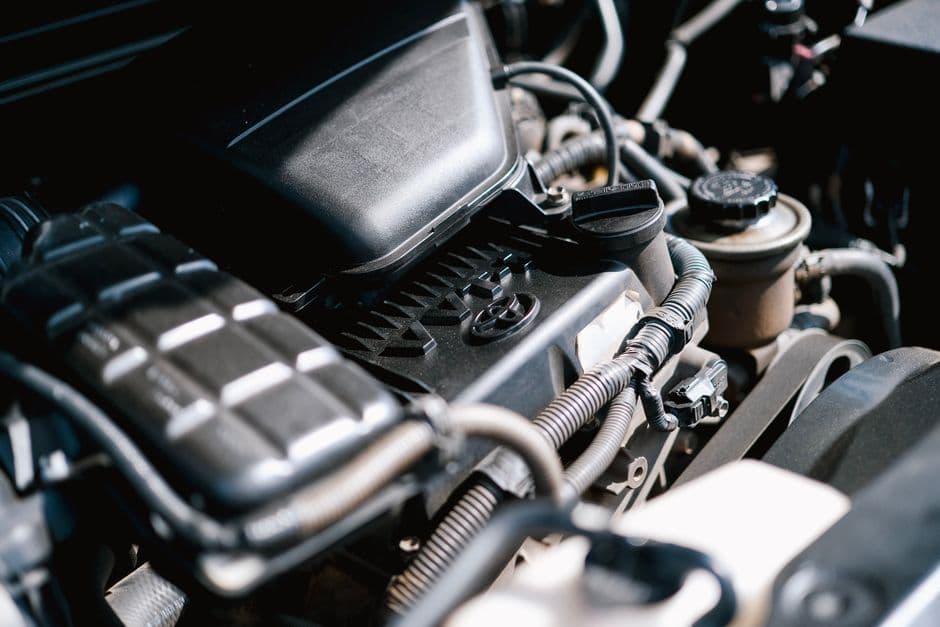
Retune after adding intake, exhaust, or fuel system mods
A tune is calibrated around the exact hardware on the car the day it was written. Adding a bigger intake, a freer-flowing exhaust, or fuel system changes afterward shifts the airflow and fuel delivery the tune was built around, so the old calibration is now guessing instead of measuring. Our guide to beginner car upgrades covers where these mods typically land in a build order.
The safest order is mods first, tune last, whenever that's realistic. If a tune already exists and you're adding hardware afterward, treat the drive home as conservative and get it back on a dyno or logged closely until you've confirmed the old tune isn't leaning out or knocking under the new airflow.
Tuning and your warranty: what the law actually says
The Magnuson-Moss Warranty Act doesn't let a manufacturer void your whole warranty just because you've installed a tune or another aftermarket part. Per SEMA's consumer warranty guidance, the dealer has to prove the tune actually caused a specific failure before denying that claim, not just point at the modification and deny everything.
That protection works a lot better in practice when you can show exactly when a tune was installed, what it changed, and what maintenance happened afterward. A vague “yeah I had it tuned a while back” is a much weaker position than a dated record with the tuner's name and the file version attached.
Document every tune for troubleshooting and resale
Every tune, revision, and dyno session deserves a dated entry: what changed, why, and what the car was running at the time. That record is what lets a future tuner, or you in six months, figure out whether a new problem started after the last tune or is unrelated to it entirely, instead of troubleshooting blind.
It matters at resale too, since a buyer weighing a tuned car wants to see a build history, not just a claim. Wheelscribe's features let you attach the dyno sheet and tune notes directly to the car's log, and it's free to start.
Frequently asked questions
Why do I need to back up my stock ECU file before tuning?
The stock file is what lets you return the car to factory calibration for emissions testing, a warranty claim, or a trade-in. Once it's overwritten without a backup, there's no way to recreate the exact original file, so save it before the first custom tune is ever flashed.
What does engine knock mean after getting a tune?
Consistent knock retard on a data log means the tune is asking for more than the fuel, weather, or engine condition can currently handle. Back off and have the tuner revisit the calibration rather than continuing to drive on pulled timing.
Do piggyback tuners need maintenance like a full ECU flash?
Differently, not less. A piggyback module doesn't need a stock file backup since it doesn't rewrite the ECU, but its physical connectors and grounds can vibrate loose over time, and its firmware benefits from staying current with the manufacturer's updates.
Should I retune after adding an intake or exhaust?
Yes, in most cases. A tune is calibrated around the exact hardware present when it was written, so a bigger intake or freer exhaust afterward changes the airflow the tune was built around. Get it re-logged or back on a dyno rather than assuming the old tune still fits.
Can a tune void my car's entire warranty?
Not automatically. Under the Magnuson-Moss Warranty Act, a dealer has to prove the tune actually caused a specific failure before denying that claim, rather than voiding unrelated coverage just because a tune is present.
Why should I log every ECU tune and revision?
A dated record of each tune and what changed makes it much easier to troubleshoot a new problem later and shows a buyer a real build history at resale, instead of an unverifiable claim about what's currently loaded on the car.
Start logging your car's history
One car, unlimited entries, free forever. See pricing for what Pro adds.
Create free account