
Fleet Vehicle Maintenance Checklist
A fleet vehicle maintenance checklist for small operators: what to inspect, how often, and how to keep every truck's service history in one place.
What a fleet vehicle maintenance checklist actually covers
A fleet vehicle maintenance checklist breaks down into three layers: daily walkaround checks the driver does before the vehicle leaves the lot, scheduled service tied to mileage or time (oil, filters, brakes, tires), and a paper trail that proves each vehicle was actually looked at. Small fleets tend to nail the first two and lose the third, which is the layer that matters most when a vehicle breaks down mid-route or an insurer asks for records after an incident.
You don't need fleet management software to run this well. A handful of work trucks or vans just needs a consistent checklist applied to every vehicle and a record that survives longer than a sticky note on the dash. The checklist below is built for exactly that size of operation.
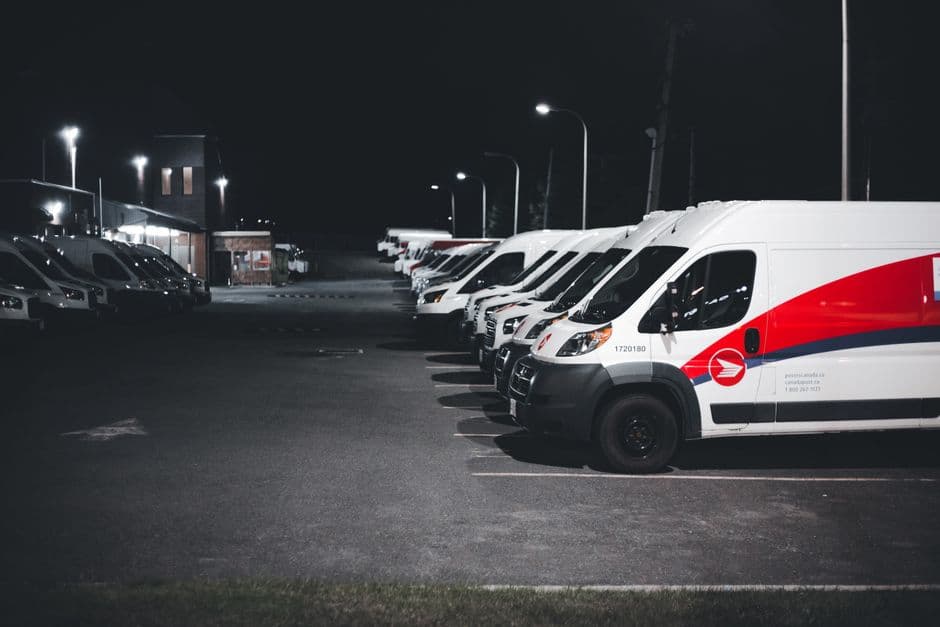
Daily pre-trip checklist
Before any vehicle leaves the lot, a driver should check tire condition and pressure, all exterior lights, wipers and washer fluid, and any obvious fluid leaks under the vehicle overnight. This takes under five minutes once it's a habit, and it catches the kind of small problem, a soft tire, a burned-out brake light, that turns into a roadside breakdown or a citation if it's missed.
The part most small fleets skip is writing it down. A verbal “looks fine” from the driver doesn't hold up if a vehicle fails inspection two weeks later, but a dated note that the pre-trip check happened does. It doesn't need to be elaborate, just consistent enough that every vehicle has one for every day it ran.
Scheduled service checklist
Scheduled items follow the manufacturer's severe-duty intervals, since fleet vehicles almost always qualify: oil and filter changes, typically every 5,000 miles on gas engines running stop-and-go routes, brake pad and rotor inspections every 10,000 to 15,000 miles, and tire rotation on the same schedule as oil changes. Transmission fluid, differential fluid, and coolant follow longer intervals but still need a fixed point on the calendar, not a “whenever someone notices” approach.
Battery and charging system checks are worth adding twice a year, since fleet vehicles that sit between routes or run heavy electrical loads (lift gates, work lighting, refrigeration units) kill batteries faster than a typical commuter car. A dead battery on a delivery route costs a lot more than the five minutes it takes to test one in the shop.

Why the paper trail matters more for fleets
A single car owner can usually reconstruct a vehicle's history from memory. A small fleet running four or five vehicles across different drivers cannot, and that's exactly when gaps in the record turn expensive: a warranty claim gets denied because there's no proof of the required service, or an insurer wants documentation after an accident and the shop receipt is long gone.
The fix isn't more paperwork, it's one consistent place per vehicle. If you're building this from scratch, start from a general maintenance checklist and layer the fleet-specific items on top, so every vehicle in the fleet is measured against the same standard.
Running the checklist without fleet software
Most fleet management platforms are built for hundreds of vehicles and priced (and complicated) accordingly. A small operation with a handful of trucks or vans just needs a per-vehicle log that tracks mileage, service dates, and cost, without the telematics and route-planning features that come bundled in and go unused.
Wheelscribe lets you set up a separate maintenance log for each vehicle in the fleet, with every entry tied to mileage and cost so you can spot the vehicle that's quietly costing more than the rest. The Enthusiast plan covers up to five vehicles for $5 a month, which fits most small fleets without paying for capacity you don't need.
Frequently asked questions
What should be on a fleet vehicle maintenance checklist?
Daily pre-trip checks (tires, lights, fluids, visible leaks), scheduled service on a severe-duty interval (oil every 5,000 miles, brakes every 10,000 to 15,000, tire rotations, transmission and coolant service), and a written record of every check and service per vehicle.
How often should fleet vehicles be inspected?
Daily for a quick pre-trip walkaround, and on a severe-duty service schedule for mechanical items, since most fleet vehicles qualify for severe use from stop-and-go routes and frequent short trips. Battery and charging checks are worth adding twice a year.
Do small fleets need fleet management software?
Not necessarily. A handful of vehicles can be tracked well with a simple per-vehicle maintenance log covering mileage, service dates, and cost, without paying for telematics or route-planning features built for much larger operations.
Why keep maintenance records for fleet vehicles?
Records protect warranty claims, support insurance documentation after an incident, and reveal which vehicle in the fleet is costing more to run than the others. Without a written history, a fleet is relying on memory across multiple drivers, which doesn't hold up.
How much does fleet vehicle maintenance cost per vehicle?
Costs vary by vehicle type and route, but small fleets running vans or light trucks on severe-duty schedules typically see $800 to $1,500 per vehicle per year in routine maintenance, more if towing or heavy loads are involved.
Start logging your car's history
One car, unlimited entries, free forever. See pricing for what Pro adds.
Create free account