
Fleet Vehicle Onboarding & Retirement Guide
A fleet vehicle onboarding checklist for intake inspection, insurance, and title, plus a retirement checklist for decommissioning one out.
What a fleet vehicle onboarding checklist covers
A fleet vehicle onboarding checklist covers everything that happens once, right when a vehicle joins the fleet: the intake inspection, the baseline photos and mileage, and getting insurance, title, and registration set up in the company's name. It's a different job from a maintenance checklist, which repeats every few months for as long as the vehicle stays in service. Get onboarding right and every service record after that has a clean starting point instead of a shrug about where the vehicle actually came from.
The same logic applies at the other end. A retirement checklist covers the one-time steps for taking a vehicle out of the fleet: a final condition inspection, handing the records to whoever gets the vehicle next, and deregistering it so nobody is still paying insurance on a truck that already left the lot. Onboarding and retirement are the two boundary events a fleet vehicle only goes through once.

Intake inspection: what to document before a vehicle joins the fleet
The intake inspection happens before the vehicle gets a route, a driver, or a set of keys handed off. Walk the exterior and photograph every scratch, dent, and worn panel, since this baseline is what proves later whether damage happened on your watch or showed up already there. Record the exact odometer reading, the VIN, tire tread depth, and the condition of anything the manufacturer flags as a wear item: brakes, belts, fluids.
Test everything that's easy to skip in a five-minute glance: the spare tire and jack, all the lights, the horn, the wipers. A new fleet vehicle, especially a used one bought off a lot, can carry a problem the seller never mentioned, and this is the only point in its life with the fleet where you can catch it before it becomes your problem instead of theirs.
Insurance, title, and registration for a new fleet vehicle
A new fleet vehicle isn't covered for business use just because a personal auto policy would cover the same vehicle. Add it to the fleet or commercial auto policy before it goes on the road, and confirm the liability limits actually fit what the vehicle will be doing: hauling equipment, carrying employees, towing a trailer. Each of those changes the coverage you need. Get the title transferred into the company's name if the vehicle is titled to a person, and register it the way your state requires for a commercial or fleet vehicle.
This step has a real deadline, not a someday one. Most states give a short window, often 10 to 30 days, to title and register a newly acquired vehicle, and driving it uninsured or unregistered past that window is a liability nobody wants to explain after an accident. The USA.gov guide to motor vehicle services is a decent starting point if your state's specific rules aren't already something you have memorized.
Baseline documentation: starting the vehicle's first record
Baseline documentation is what onboarding hands off to ongoing record keeping. Once the intake inspection, insurance, and title are done, the vehicle needs one record that starts its history: the date it joined the fleet, its odometer reading, its condition photos, and any existing service history if it came in used rather than new. Everything logged after that, oil changes, brake jobs, the next inspection, builds on this starting point instead of floating with no reference.
This is a one-time setup, not a recurring task. That's exactly why it's easy to skip when you're rushing to get a new vehicle on the road. Our guide to fleet maintenance record keeping covers what a record needs once the vehicle is up and running; this is what that record needs to start from. Set it up in Wheelscribe the same day the vehicle arrives, and the baseline exists before anyone has a reason to wonder if it does.
Retiring a fleet vehicle: final condition documentation
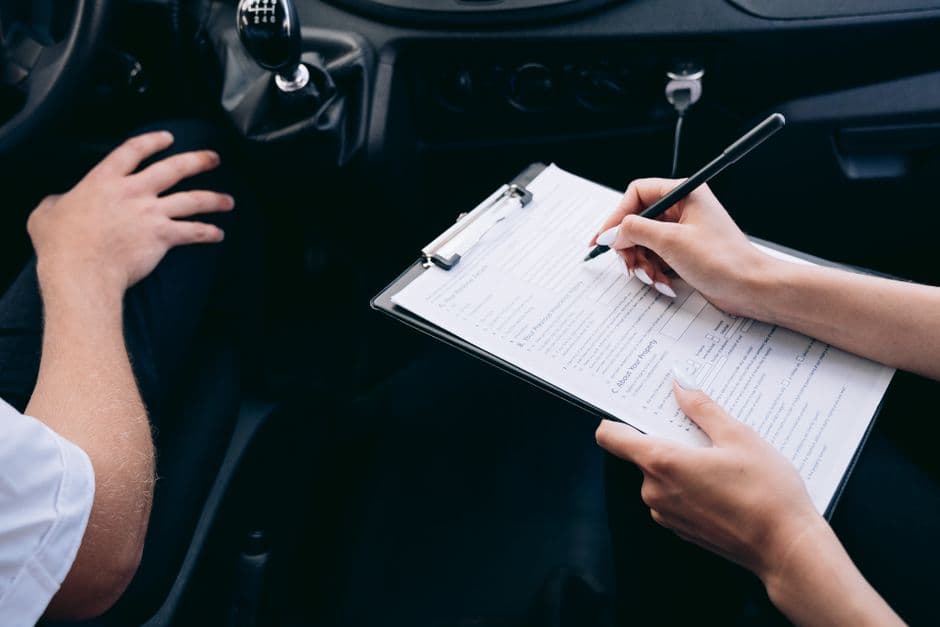
A vehicle's exit from the fleet deserves the same inspection its entry got. Walk it the same way you did at intake: exterior condition, odometer, tires, anything mechanical that changed, and photograph all of it before the vehicle leaves your possession, whether it's being sold, traded, or handed to an employee. This final record is what separates normal wear from something you'll get blamed for after the vehicle is gone.
Skipping this step is how disputes happen. A buyer claims damage was already there and you have no photo proving otherwise from the day it left. An employee taking over a company vehicle claims a problem existed before the transfer and there's no record to check against. The retirement inspection takes the same twenty minutes the intake inspection did, and it closes the loop the same way.
Records handoff and deregistration when a vehicle leaves the fleet
Retiring a fleet vehicle isn't finished until the paperwork catches up with the vehicle physically leaving. Remove it from the fleet insurance policy the same day it's sold, traded, or scrapped, not weeks later when someone notices a premium that doesn't match the fleet anymore. Cancel or transfer the registration depending on your state's process, and if you're selling the vehicle, transfer the title to the buyer with the odometer reading recorded at the time of sale.
Hand over the vehicle's full maintenance history along with the keys. A documented service record is one of the strongest things you can give a buyer, and the Department of Energy's Alternative Fuels Data Center makes a similar point from the buying side: a fleet with real service records is worth more than one asking for trust on its word alone. Export the file, print it, or share it directly with Wheelscribe's exportable service history, whichever gets it into the next owner's hands fastest.
Building an onboarding and retirement checklist you'll actually use
Most of what makes onboarding and retirement fail isn't ignorance of the steps. It's forgetting they apply outside the routine maintenance schedule everyone already tracks. A checklist only works if it lives somewhere the person adding or retiring a vehicle actually looks, not a document buried in a shared drive from two managers ago.
Wheelscribe gives every vehicle in the fleet a record from day one, so intake photos, insurance details, and baseline mileage sit in the same place the ongoing maintenance log will use later. When a vehicle retires, that full history exports in one file instead of a scramble through old folders. The small fleet plan covers this at $5 to $25 a month depending on fleet size, built for the handful of vehicles most small operations are actually managing, not enterprise fleet software priced for a hundred trucks.
Frequently asked questions
What should a fleet vehicle onboarding checklist include?
An intake inspection with photos of existing damage, the VIN and odometer reading, confirmation the vehicle is added to the fleet insurance policy, and the title and registration set up in the company's name. All of it should happen before the vehicle gets a route or a driver.
How do you document a vehicle's condition before adding it to a fleet?
Photograph the exterior from all four sides plus any existing damage, record the exact odometer reading and tire tread depth, and test the lights, wipers, horn, and spare tire. This baseline is what proves later whether wear or damage happened on the fleet's watch.
What is a fleet vehicle retirement checklist?
The steps for taking a vehicle out of a fleet for good: a final condition inspection and photos, removing it from the insurance policy, canceling or transferring the registration, and handing its full maintenance history to the buyer or next owner.
How do you decommission a vehicle from a fleet?
Inspect and photograph its final condition, remove it from the fleet insurance policy the same day it leaves, transfer or cancel the title and registration depending on whether it's being sold or scrapped, and export its service history for whoever takes it next.
What happens to a vehicle's title when it's removed from a fleet?
If the vehicle is sold or traded, the title transfers to the new owner with the odometer reading recorded at the time of sale. If it's scrapped, most states require the title to be surrendered as part of canceling the registration.
How is onboarding a fleet vehicle different from ongoing fleet maintenance?
Onboarding happens once, when a vehicle joins the fleet: inspection, insurance, title, and a starting record. Ongoing maintenance repeats for as long as the vehicle is in service. A fleet needs both, but conflating them is how the one-time steps get skipped.
Start logging your car's history
One car, unlimited entries, free forever. See pricing for what Pro adds.
Create free account