
Fuel System Maintenance Guide
Fuel system maintenance explained: filter replacement intervals, signs of a clogged injector, and whether fuel additives actually help.
What fuel system maintenance covers
Fuel system maintenance means keeping three things clean and working correctly: the fuel filter, the fuel injectors, and the fuel pump. Modern gasoline direct injection systems run at much higher pressure than older port-injected engines, which makes them more sensitive to contamination and deposit buildup, not less.
None of these parts fail suddenly under normal use. They degrade gradually, so the first symptom is usually a small drop in performance or fuel economy that's easy to write off as normal wear, right up until a clogged injector or a dying fuel pump leaves you stranded.
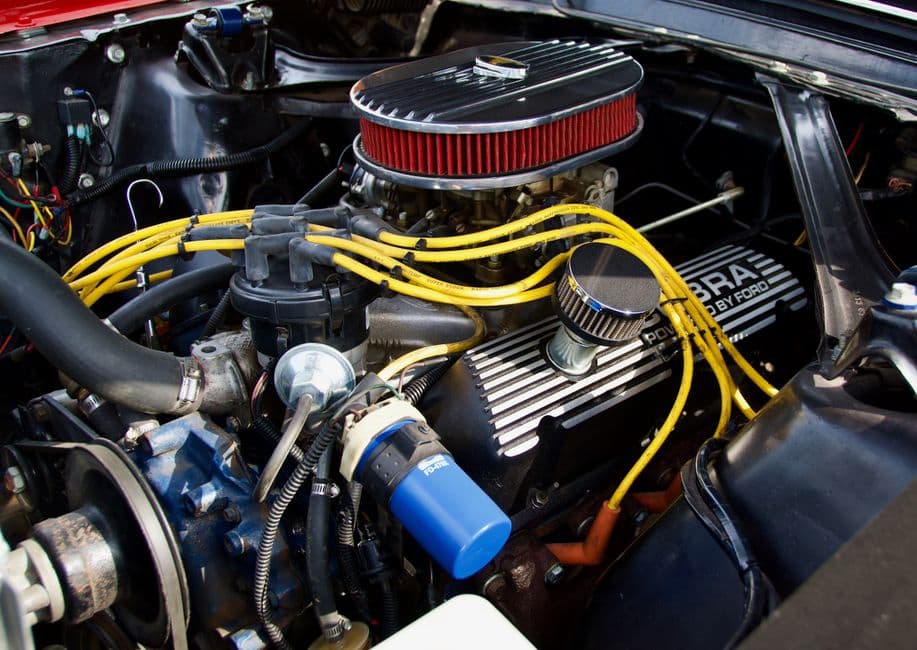
Signs your fuel system needs attention
A rough idle, hesitation under acceleration, or a noticeable dip in fuel economy are the earliest signs of a fuel delivery problem, often before any warning light comes on. A hard start that gets worse over a few weeks can point to a weakening fuel pump losing pressure, especially if the engine cranks longer than usual before catching.
A whining noise from the fuel tank area while driving is also worth investigating, since that's often an early warning from a fuel pump under strain. Our maintenance schedule guide has more on how these symptoms line up against routine intervals.
Fuel filter replacement interval
Most manufacturers call for a fuel filter change somewhere between 20,000 and 40,000 miles, though a growing number of newer cars build the filter into the fuel pump assembly inside the tank, with a service life meant to match the pump itself. Check your manufacturer's maintenance schedule rather than assuming, since the interval varies a lot by design.
A clogged filter restricts fuel flow before it fully blocks it, so symptoms build gradually: reduced power at highway speed first, then stalling under load, then hard starting. Replacing it on schedule is one of the cheapest ways to protect the injectors and pump downstream from it.
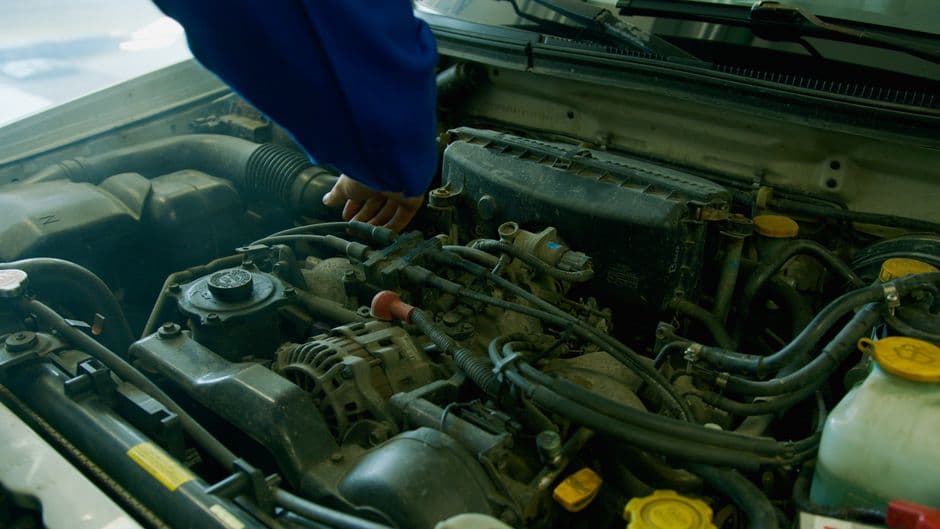
Fuel injector cleaning: additive or professional service
A quality fuel injector cleaner added to a full tank every few oil changes is a reasonable preventive habit for most daily-driven cars, and it's cheap insurance against the light carbon buildup that direct-injection engines are prone to. It won't fix an injector that's already significantly clogged or failing.
A professional injector cleaning service, which pressurizes cleaner directly through the injectors on the bench or in the car, is the right call once you've got real symptoms: a rough idle, a misfire on one cylinder, or a noticeable loss of power that an additive alone hasn't resolved after a tank or two.
Ethanol fuel and fuel system wear
Most pump gasoline in the US contains up to 10% ethanol, which is fine for the vast majority of engines but does attract more moisture than pure gasoline and can be harder on older rubber fuel lines and seals not designed for it. A car that sits for months at a time, like a seasonal project car, is more exposed to this than a daily driver that cycles fresh fuel through regularly.
If you're parking a car for an extended stretch, a fuel stabilizer added before storage helps prevent the gum and varnish deposits that stale ethanol-blended fuel can leave behind in the tank and injectors.
Keeping a record of fuel system work
Fuel filter changes and injector service tend to get skipped simply because they're not as visible as an oil change. Logging the date, mileage, and what was done keeps the interval honest, and it means a hard-start complaint six months later comes with an actual history to check against instead of a guess.
Wheelscribe's entry form keeps fuel system work alongside every other service record for the car, searchable by date or mileage. It's free to start with one car and unlimited entries.
Frequently asked questions
How often should the fuel filter be replaced?
Most manufacturers call for 20,000 to 40,000 miles, though many newer cars build the filter into the in-tank fuel pump assembly with a service life matched to the pump itself. Check your manufacturer's schedule for the exact interval.
Do fuel injector cleaners actually work?
A quality cleaner added every few oil changes is a reasonable preventive habit that helps limit carbon buildup, especially on direct-injection engines. It won't fix an injector that's already significantly clogged or failing.
What are the signs of a clogged fuel injector?
A rough idle, hesitation or misfire under acceleration, reduced fuel economy, and in more advanced cases a misfire code on a specific cylinder are the most common signs.
Is ethanol fuel bad for a car's fuel system?
Standard 10% ethanol blends are fine for the vast majority of engines, but they attract more moisture and can be harder on older rubber lines and seals than pure gasoline, particularly in cars that sit for long stretches.
When should I get a professional fuel injector cleaning instead of using an additive?
Once you have real symptoms, a rough idle, a misfire on one cylinder, or a noticeable power loss that an additive hasn't resolved after a tank or two, a professional service that runs cleaner directly through the injectors is the more effective option.
Start logging your car's history
One car, unlimited entries, free forever. See pricing for what Pro adds.
Create free account