
Headlight Restoration and Lighting Maintenance Guide
A headlight restoration and lighting maintenance guide: why headlights turn cloudy, how to restore them, and when to replace them instead.
Why headlights turn cloudy in the first place
Headlight restoration exists because polycarbonate headlight lenses oxidize under UV exposure, the same way an old CD case or a plastic patio chair yellows and clouds over years in the sun. The clear coat that protects the lens breaks down first, then the polycarbonate underneath starts absorbing UV damage directly, which is what actually causes the yellowing and haze.
It's not cosmetic once it gets bad enough. A 2018 AAA study found that badly oxidized headlights put out only about 20 percent of the light a new headlight does on low beam, a real visibility problem at night, not just an appearance one.
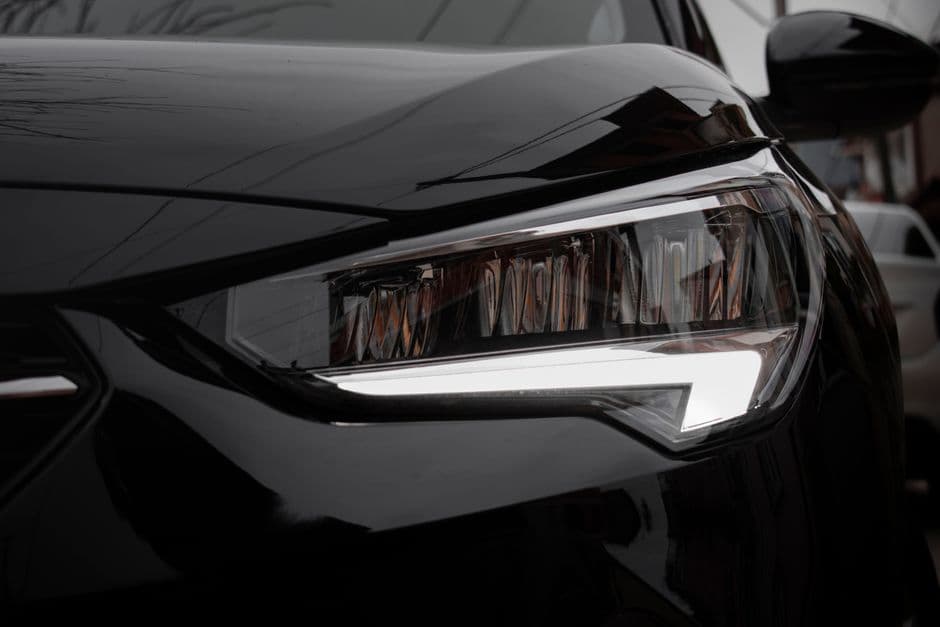
What a DIY headlight restoration kit actually does
Most kits work the same way regardless of brand: wet-sand the oxidized layer off with a sequence of increasingly fine grits, polish the surface to a clear finish, then apply a UV-resistant sealant so the lens doesn't just cloud right back over in a few months. Skipping the sealant step is the most common reason a restoration doesn't last.
Tape off the surrounding paint and trim before you start, since sanding compound and the coarse-grit pads will dull clear coat on the body if they touch it.
How long a restoration actually lasts
A proper restoration with a UV sealant typically holds up for one to two years before the haze starts creeping back, though direct sun exposure, climate, and how many miles you drive at night all move that number around. A cheaper wipe-on product without a real sealant step can start fading within a few months.
If you know you'll be redoing it annually anyway, some owners find it simpler to build the restoration into their regular seasonal maintenance instead of waiting for the lenses to get bad enough to notice.
When restoration isn't enough and replacement is the better call
Restoration only fixes the outer lens. If the haze is actually inside the housing, moisture got in through a cracked seal, or the lens itself is cracked or pitted from road debris, sanding the outside won't fix it. At that point, a replacement housing or a professional-grade restoration with housing disassembly is the realistic option.
It's also worth checking your actual headlight performance, not just lens clarity. The IIHS tests headlight systems for both output and glare, and their research shows roughly half of tested vehicles still fall short on one or the other even with clear lenses, so a hazy lens isn't the only thing worth fixing.
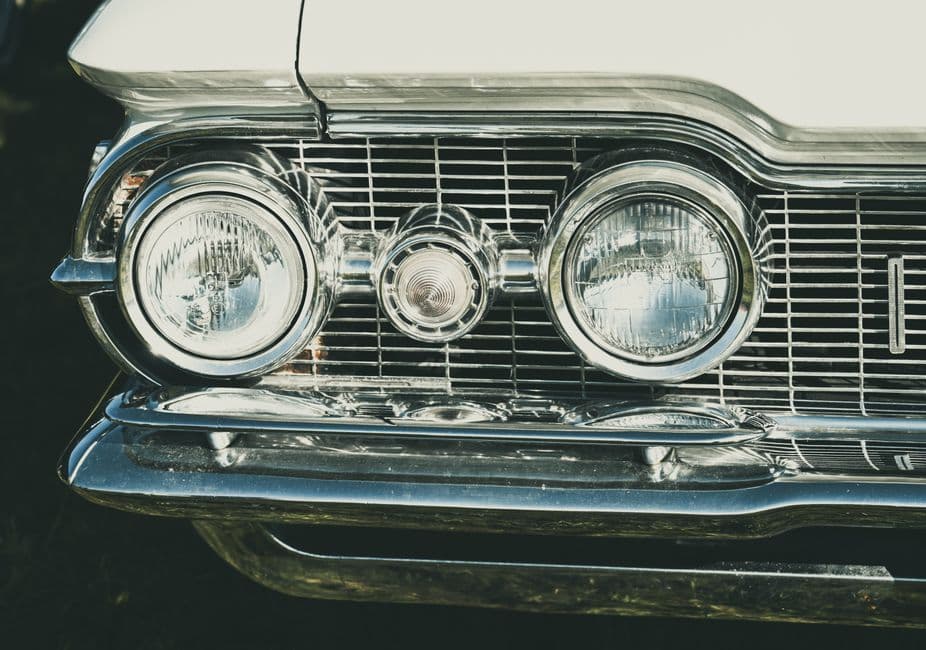
Check bulb output and aim while you're already in there
A cloudy lens isn't the only thing that dims headlights over time. Halogen bulbs lose brightness gradually as the filament ages, well before they actually burn out, so a bulb that's several years old is worth comparing side by side with a new one even if it still technically works.
Aim matters just as much as brightness. A headlight aimed too low wastes light on the pavement in front of the car, and one aimed too high blinds oncoming drivers without actually improving your own visibility. Most shops can check and adjust aim in a few minutes if you're not sure how to check it yourself.
Log the restoration or replacement, especially before a sale
Headlight condition is an easy thing for a buyer to notice and an easy thing to skip logging, since it doesn't feel like “real” maintenance the way an oil change does. But cloudy, dim headlights are exactly the kind of small detail that makes a car look neglected even when everything else is in good shape.
Wheelscribe's features let you log the restoration date, the kit or shop used, and a before-and-after photo right alongside the rest of the car's history, which pairs well with our car maintenance checklist if you're building out a full seasonal routine. It's free to start.
Frequently asked questions
Why do headlights turn yellow or cloudy?
UV exposure breaks down the clear protective coat on polycarbonate headlight lenses, and once that's gone, the polycarbonate itself starts absorbing UV damage directly, which causes the yellowing and haze. It's the same process that yellows other outdoor plastics over time.
How much light do cloudy headlights actually lose?
A 2018 AAA study found that badly oxidized headlights put out only about 20 percent of the light new headlights do on low beam. That's enough of a drop to meaningfully reduce nighttime visibility, not just look bad.
How long does a headlight restoration last?
A restoration that includes a proper UV-resistant sealant typically lasts one to two years before haze starts returning. Skipping the sealant step, common with cheaper wipe-on products, can cut that down to just a few months.
Can I restore headlights that are cracked or have moisture inside?
Restoration only addresses the outer lens surface, so it won't fix a cracked lens or moisture that's gotten inside the housing through a failed seal. Those need a replacement housing or a shop that can disassemble and reseal it.
Should I also check my headlight bulbs, not just the lens?
Yes. Halogen bulbs dim gradually as the filament ages, often years before they burn out, so an old bulb is worth comparing against a new one even if it still works. Aim is worth checking too, since a misaimed headlight wastes light regardless of bulb or lens condition.
Does headlight condition affect a car's resale value?
It can. Cloudy or dim headlights are an easy, visible detail that makes a car look neglected even when the mechanical maintenance is solid, so a documented restoration or bulb replacement is worth including in your records before a sale.
Start logging your car's history
One car, unlimited entries, free forever. See pricing for what Pro adds.
Create free account