
Honda Maintenance Schedule: Civic & Accord
The Honda maintenance schedule explained: how Maintenance Minder works, the A/B codes, real Civic and Accord intervals, and severe-service timing.
Honda doesn't use a fixed mileage schedule
The modern Honda car maintenance schedule isn't a printed mileage table at all. Since the mid-2000s, Honda Civic and Accord maintenance runs on Maintenance Minder, a system that tracks how the car is actually driven and tells you what it needs through a message in the gauge cluster. Instead of “every 5,000 miles,” the car watches oil temperature, engine load, and time, then displays an oil-life percentage that counts down to zero.
When oil life drops to around 15 percent, a wrench icon and a service code appear. That code is the whole schedule. Learn to read it and you never have to guess whether you're due; the car has been doing the math the entire time. The catch is that the code resets only when someone resets it, so a used Honda with a confused Minder needs a human to sort out where it really stands.
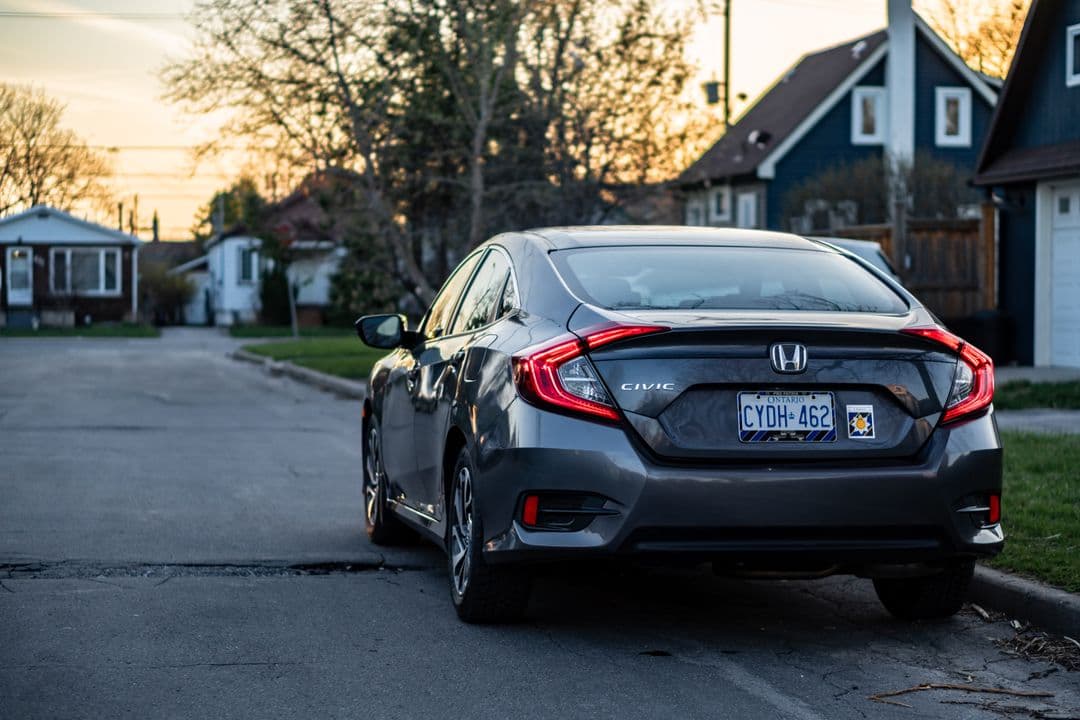
Decoding the A/B codes and their subcodes
Maintenance Minder speaks in a main letter plus number subcodes. Main code A means an oil change. Main code B means an oil change plus an inspection of brakes, suspension, and fluids. The numbers stack on extra jobs: 1 is a tire rotation, 2 is engine and cabin air filters plus a drive-belt check, 3 is transmission fluid, 4 is spark plugs and valve clearance, 5 is engine coolant, and 6 is rear differential fluid on all-wheel-drive models.
So “B1” means oil, full inspection, and a tire rotation. “A12” means oil, rotation, and filters. It looks cryptic until it clicks, then it's faster than any mileage chart because the car already told you exactly which items are due. Your owner's manual prints the full legend, and Honda's owner site lists it per model year.
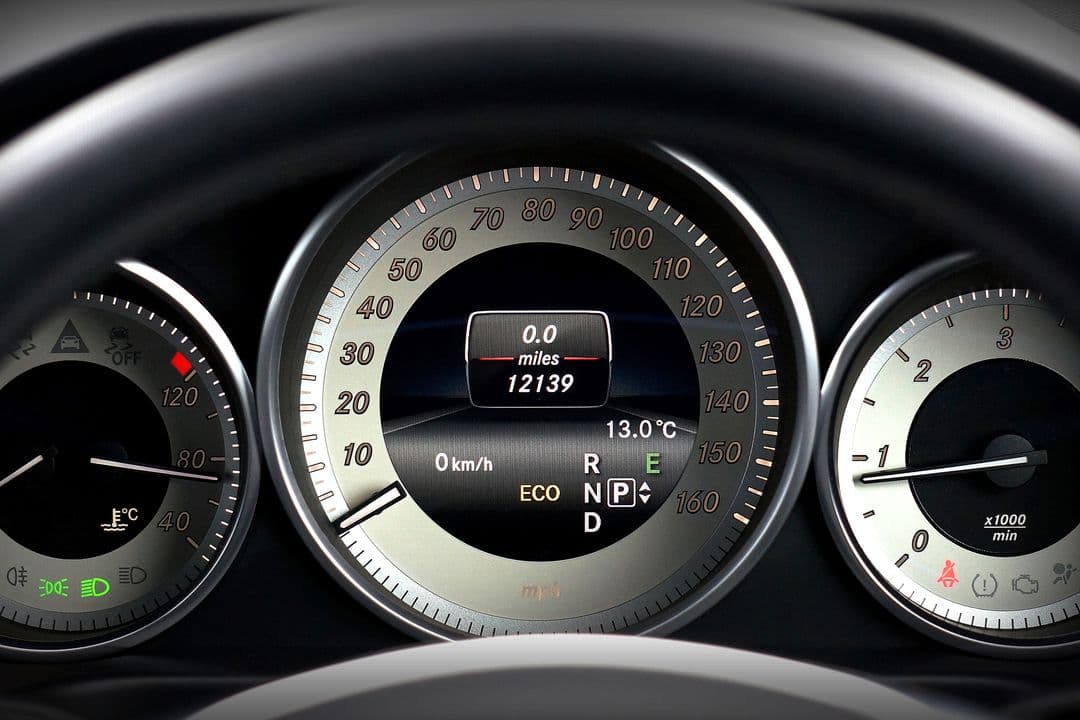
The real intervals behind the codes
In practice, an A or B code lands roughly every 6,000 to 7,500 miles for most Civics and Accords driven normally, though gentle highway driving can stretch it past 8,000. Honda also caps the oil at 12 months even if the percentage hasn't hit zero, so low-mileage drivers still change it once a year. Tire rotations pair with most oil changes, and the bigger subcodes cluster around the familiar milestones.
Expect the transmission-fluid subcode near 30,000 to 40,000 miles, air filters and belts in the same window, and the expensive code 4 (spark plugs and a valve-clearance check) around 100,000 miles on most Honda four-cylinders. Coolant tends to surface near 100,000 as well. The valve adjustment is the one people ignore and shouldn't: a tight valve on a Honda can burn over time, and the inspection is cheap next to a head job.
Civic, Accord, and CR-V: where they differ
The Minder logic is identical across the lineup, but a few items shift by model. Turbo Civics and Accords with the 1.5T engine are more sensitive to oil condition and fuel dilution on short trips, so their codes can arrive sooner if you only drive a few miles at a time. All-wheel-drive CR-Vs add the code 6 rear-differential service that front-drive cars never see. Continuously variable transmissions want their specific Honda fluid, not a generic substitute.
Across all of them, the golden rule is Honda-spec fluids: the correct 0W-20, genuine or equivalent CVT fluid, and Honda Type 2 coolant. Hondas are particular about what goes in them, and matching the spec is the difference between a car that hits 250,000 miles and one that develops expensive habits. Track which fluids went in so the next service isn't a guessing game.
HondaCare, warranty, and severe driving
Honda's factory schedule is the Maintenance Minder itself; there's no separate severe table to decode, because the system already adjusts for how you drive. Lots of short cold-weather trips or heavy idling simply make the codes appear sooner, which is the whole point of the design. The optional HondaCare plans cover scheduled service for a set term, but like any prepaid plan they mostly front-load the cheap early visits.
You can service a Honda anywhere without voiding the powertrain warranty, as long as you follow the Minder, use the right parts, and keep proof. That last word matters: a documented history of resets and receipts is what backs a warranty claim and what a buyer trusts. “The wrench light was on but I'm sure it was fine” is not a maintenance record.
Keeping the Minder honest with a real log
Maintenance Minder is great at telling you what's due and useless at remembering what you did. Once you reset the code, that history is gone from the car. Writing down each service, the code it cleared, the mileage, the fluids, and the cost, is what turns a string of resets into a real maintenance record you can hand to a mechanic or a buyer.
Wheelscribe keeps every service with its date, mileage, parts, and receipt photo in one timeline per car, so a B1 done last spring is a search instead of a memory. Pair it with a plain take on how often each job really comes due, and the free plan covers one car with unlimited entries to get started.
Frequently asked questions
How does the Honda Maintenance Minder work?
It tracks how the car is driven, including oil temperature, engine load, and time, then shows an oil-life percentage that counts down. Near 15 percent it displays a wrench icon and a service code telling you exactly which jobs are due, replacing a fixed mileage schedule.
What do Honda's A and B service codes mean?
Code A is an oil change. Code B is an oil change plus a full inspection of brakes, suspension, and fluids. Number subcodes add jobs: 1 is a tire rotation, 2 is air filters and a belt check, 3 is transmission fluid, 4 is spark plugs and valve clearance, 5 is coolant, and 6 is rear differential fluid.
How often does a Honda Civic need an oil change?
Maintenance Minder usually calls for oil every 6,000 to 7,500 miles under normal driving, and gentle highway use can push it past 8,000. Honda also caps the interval at 12 months, so a low-mileage Civic still gets fresh oil once a year even if the percentage hasn't run out.
When does a Honda need spark plugs and a valve adjustment?
The code 4 service, spark plugs plus a valve-clearance check, typically comes up around 100,000 miles on most Honda four-cylinder engines. The valve adjustment is easy to skip because nothing feels wrong, but a tight valve can burn over time, so it's worth doing on schedule.
Can I service my Honda anywhere without voiding the warranty?
Yes. Any shop or DIY work is fine for the powertrain warranty as long as you follow Maintenance Minder, use Honda-spec parts and fluids, and keep records. Documented proof of service, not a dealer stamp specifically, is what protects a warranty claim.
Start logging your car's history
One car, unlimited entries, free forever. See pricing for what Pro adds.
Create free account