
How to Change Your Oil (Step by Step)
How to change your oil at home, step by step: the right oil and filter for your car, how often to do it, and how to log every change.
How to change your oil, step by step
To change your oil, you warm the engine slightly, drain the old oil from the sump plug, swap the oil filter, then refill with fresh oil to the right level. Done carefully it takes about forty minutes and costs a fraction of the shop price. Here's the sequence that works on almost any car:
- Warm the engine two or three minutes so the oil flows, then shut it off and let it settle for a moment.
- Lift the front safely on ramps or jack stands, never on a jack alone.
- Drain the old oil. Slide a pan under the sump plug, loosen it, and let it run out fully.
- Change the filter. Unscrew the old one, wipe the seat, and smear fresh oil on the new gasket before hand tightening it.
- Reinstall the sump plug with a new crush washer, then add oil through the filler cap in stages.
- Check and confirm. Read the dipstick, run the engine a minute, look for leaks, and recheck the level once it settles.
Take the old oil to any auto parts store or recycling center. Most take it for free, and pouring it down a drain is both illegal and a fast way to ruin your day.
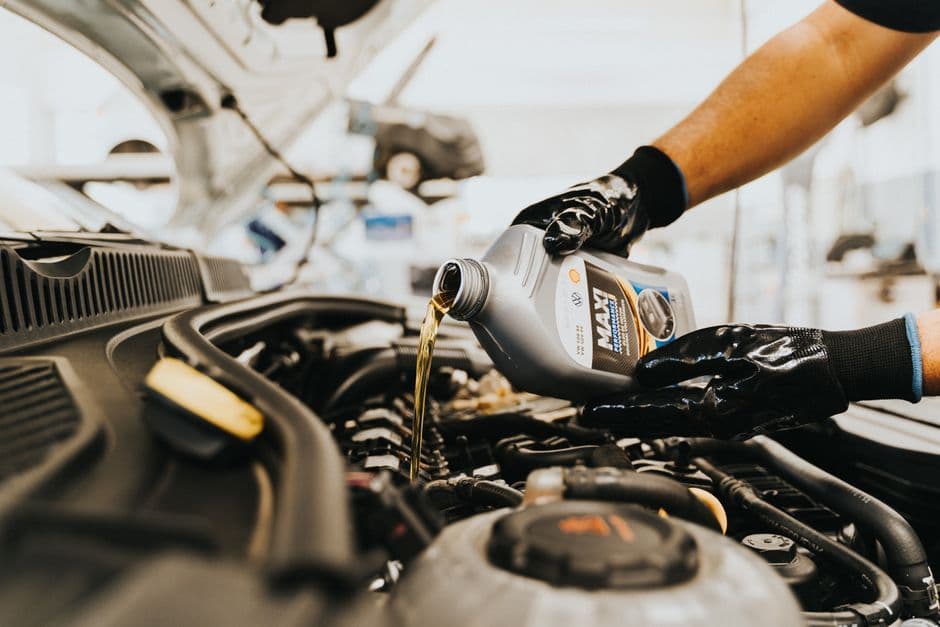
What oil and filter does your car need?
The right engine oil is whatever grade your owner's manual lists, printed as a viscosity like 5W-30 or 0W-20. Running a thinner or thicker oil than specified can cost you fuel economy or protection, so match the number exactly rather than guessing at the parts counter.
For most modern engines a synthetic oil change is worth the few extra dollars. Full synthetic handles heat better, lasts longer between changes, and flows faster on cold mornings than conventional oil. If your car is older and the manual allows a conventional oil change, that's fine too, just do it more often. Whatever you pour in, buy the filter that matches your engine rather than the cheapest one on the shelf, since it's the only thing straining grit out of the oil your bearings ride on.
How often should you change your oil?
Most cars on full synthetic go five thousand to seven thousand five hundred miles between changes, and many newer ones stretch to ten thousand. Your manual and the oil-life monitor on the dash are the real authority here, not the sticker the last shop put in your windshield.
Short trips, towing, dusty roads, and stop-and-go traffic all count as severe service, which shortens the interval. If you drive that way, lean toward the lower end. It's the same logic behind a full car maintenance schedule: the number on the bottle is a starting point, and how you actually drive decides the rest. If you want a second opinion, Consumer Reports and AAA both say to follow the manufacturer interval over the old three-thousand-mile rule.
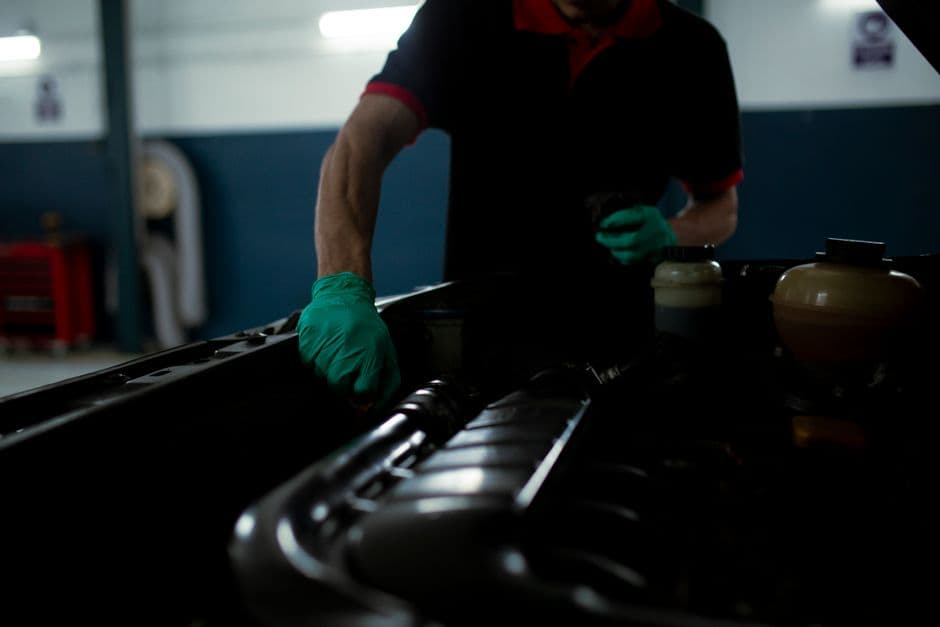
Common oil change mistakes to avoid
The mistakes that turn a cheap job expensive are all avoidable. Overfilling foams the oil and can push out seals, so add in stages and trust the dipstick. Overtightening the sump plug strips the pan, and cranking the filter down makes the next change a fight, so both go on firm by hand plus a small nudge, not gorilla tight. Always fit the new crush washer on the plug, reset the oil-life monitor when you finish, and double check you poured in the grade the manual asked for. None of it is hard, it just rewards paying attention.
Log every oil change so the next one isn't guesswork
An oil change is only as useful as your memory of it, and memory is where this falls apart. Write down the date, the mileage, the oil grade, and the filter part number the moment you finish, and the next change stops being a guess. You'll also have proof the car was cared for when you go to sell it.
That record is exactly what logging maintenance in Wheelscribe is built for, and knowing what to put in a maintenance log takes about a minute per entry. The free plan covers one car with unlimited entries, enough to track every oil change, filter, and fluid for years.
Frequently asked questions
Can I change my own oil?
Yes, and it's one of the friendliest jobs to learn. With ramps or jack stands, a drain pan, a filter wrench, and the right oil and filter, most people finish in under an hour. The only real rules are lifting the car safely and not overtightening the plug or filter.
How often should you change your oil?
Most modern cars on full synthetic go 5,000 to 7,500 miles, and many newer ones reach 10,000. Follow your owner's manual and the dash oil-life monitor rather than the old 3,000-mile habit. Severe driving like short trips, towing, or dust shortens the interval.
Is synthetic oil better than conventional?
For most engines, yes. Full synthetic resists heat, flows better when cold, and lasts longer between changes. Conventional oil is fine if your manual allows it and your car is older, but plan to change it more often to make up the difference.
Do you need to change the oil filter every time?
Change the filter at every oil change. It's cheap, and it's the only thing catching the grit and metal that circulate through the engine. Skipping it just pumps old contaminants straight into your fresh oil, which defeats the point of the change.
How long does an oil change take?
About 30 to 45 minutes at home once you have the car lifted, plus a few minutes to let the old oil drain fully. A shop or quick-lube can do it faster, but doing it yourself lets you inspect the underside and know exactly what went in.
What happens if you don't change your oil?
Old oil turns to sludge and loses its ability to protect, which accelerates wear and can eventually seize the engine. Long before that you'll see reduced fuel economy, louder running, and possible warning lights. Regular changes are the cheapest insurance an engine gets.
Start logging your car's history
One car, unlimited entries, free forever. See pricing for what Pro adds.
Create free account