
How to Choose a Project Car
How to choose a project car you'll actually finish: budget, parts availability, rust, and the questions to ask before you buy your first build.
The right project car is the one you'll finish
Choosing a project car comes down to matching the car to your budget, your skill level, and how much garage time you actually have, not to how good it looks in photos. The single biggest reason project cars stall halfway through isn't a bad car, it's an ambitious one bought before the buyer knew what they were getting into. A good project car is boring on paper: common, cheap to source parts for, and small enough in scope that you can see the finish line.
That doesn't mean picking something dull to drive. It means picking something where the hard parts, rust, wiring, discontinued trim, are manageable for a first build, so the project teaches you instead of burying you.
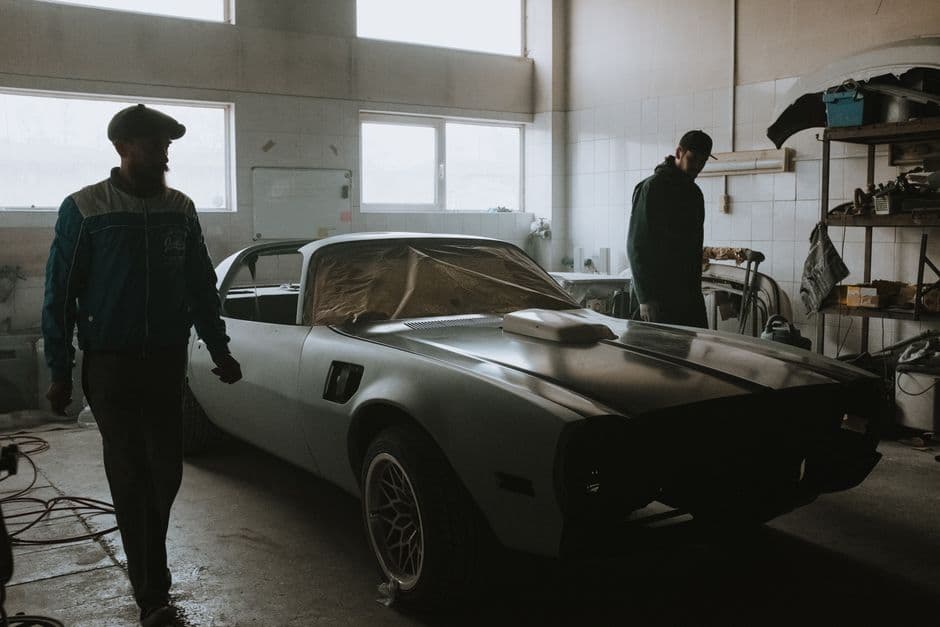
Set a real budget, then cut it in half
Every project car costs more than the purchase price implies, usually two to three times more once parts, tools, and the inevitable surprise repair are added in. If you've budgeted $5,000 for the whole build, look for cars in the $1,500 to $2,500 range so there's real room left for the work itself. Buying a project car at the top of your budget is the fastest way to run out of money before it's done.
The cheapest car to buy isn't always the cheapest to finish, either. A car with a huge aftermarket and junkyard supply, an old Miata or a Fox-body Mustang, for example, will almost always cost less to complete than a rarer car bought for the same money, simply because parts are easier and cheaper to find.
Parts availability matters more than rarity
Before buying, search for the specific parts your build will need, trim pieces, sensors, interior bits, not just engine parts. Common cars with a big enthusiast community have active forums, reproduction parts, and sellers who've solved the exact problem you're about to hit. Rare or orphaned models can look like a better deal until you're six months in, waiting on a part that only shows up once a year on an auction site.
A quick gut check: search the model plus the word “forum” and see how active the community is, then search for one specific part you'll likely need and see how many listings come up. If both are thin, the build is going to take longer and cost more than the same work on a more common platform.
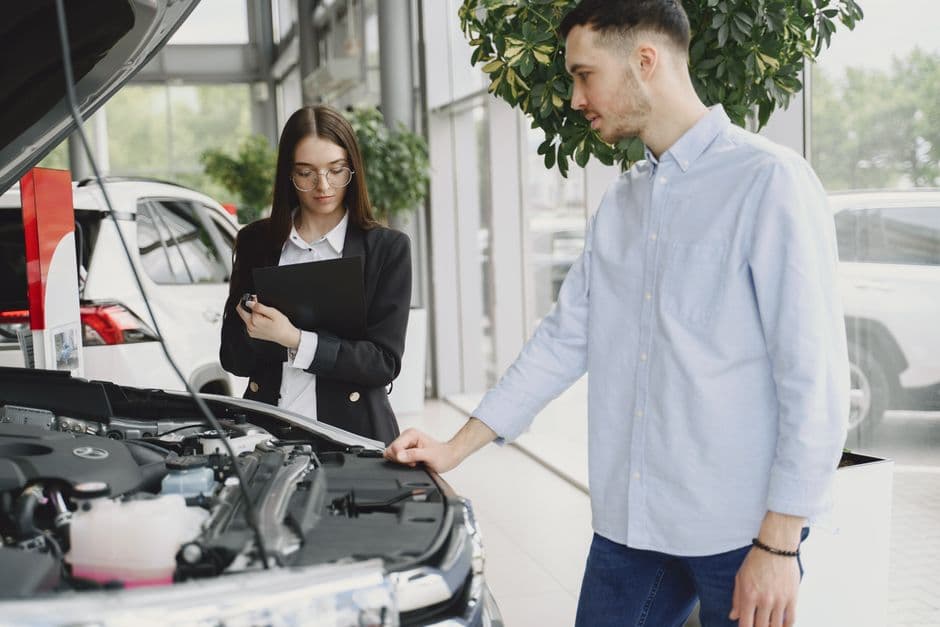
Rust is the dealbreaker most buyers underestimate
Surface rust on visible panels is usually fine and often the reason a good project car is priced low. Structural rust, frame rails, subframe mounts, floor pans, is a different problem entirely, since fixing it properly means cutting and welding before any of the fun modification work can start. If you're not equipped to do that kind of repair, walk away from a car with structural rust no matter how good the rest of the deal looks.
Bring a flashlight and a magnet to any inspection. Check the frame rails, subframe mounts, floor pans, and around the rear shock towers, the spots rust hits first and hides longest under carpet or undercoating. A car that's rough cosmetically but solid underneath is a far better project than one that looks clean but is rotten where you can't easily see it.
Start the log before you buy, not after
The most common regret among project car owners isn't the car they picked, it's not tracking the build from day one. Six months in, most people can't remember which torque spec they used on a bolt or how much they've actually spent so far, because the receipts are scattered across texts, group chats, and a shoebox.
Set up a build log for the car the day you buy it, before the first part comes off. If you want the full documentation approach once parts start coming off, our guide on documenting car modifications covers what to capture at each stage. Wheelscribe's free plan handles one project car with unlimited entries, which is plenty to start.
Frequently asked questions
What makes a good first project car?
A common model with a big aftermarket and active owner community, minimal structural rust, and a scope you can realistically finish given your budget and garage time. Boring and common almost always beats rare and exciting for a first build.
How much should I budget for a project car?
Plan to spend two to three times the purchase price by the time the project is done, once parts, tools, and unplanned repairs are added in. If your total budget is fixed, buy the car for well under half of it to leave room for the actual work.
Is rust always a dealbreaker on a project car?
Surface rust on body panels usually isn't. Structural rust on frame rails, subframe mounts, or floor pans is, unless you're equipped to cut and weld before starting any other work. Check those spots with a flashlight and magnet before buying.
Should I buy a rare project car or a common one?
A common one, almost always. Rare cars can look like a better deal upfront, but thin parts availability and a small owner community make every step of the build slower and more expensive than the same work on a widely supported platform.
When should I start logging a project car build?
The day you buy it. Starting the log before the first part comes off means you have a complete record of the car's baseline condition, every cost, and every modification in order, instead of trying to reconstruct the first few months from memory later.
Start logging your car's history
One car, unlimited entries, free forever. See pricing for what Pro adds.
Create free account