
How to Drive a Manual Car
How to drive a manual car without stalling: finding the bite point, smooth shifts, hill starts, and the habits that quietly wear a clutch out early.
How to drive a manual car, start to finish
To drive a manual car, press the clutch all the way to the floor, start the engine in neutral, select first gear, then let the clutch out slowly to the bite point while feeding in a little throttle. That single movement is the whole skill. Shifting up, downshifting, and hill starts are all the same motion done faster and with more confidence.
Most people can move a stick shift around an empty parking lot inside twenty minutes and handle normal traffic within a week. You will stall, probably in front of an audience, and it hurts nothing but your pride. The engine dies because the clutch came out faster than the engine could pick up the load, and the fix never changes: clutch back in, restart, try again with a slower left foot.
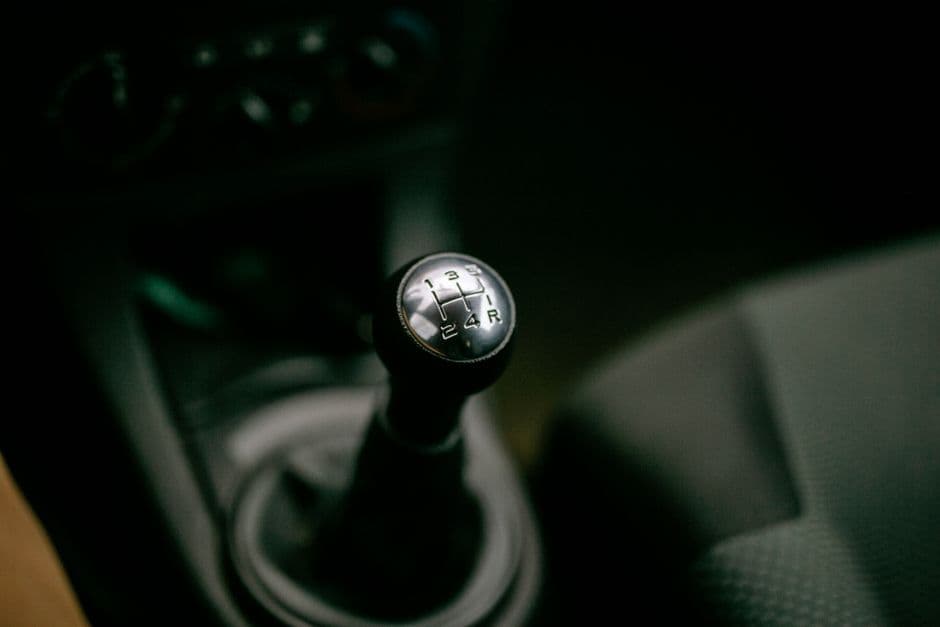
Find the bite point before you go anywhere
Park on flat ground, start the engine, select first, and release the clutch slowly with no throttle at all. Partway through the pedal travel the engine note drops and the car starts to creep forward on its own. That is the bite point, and it is the only part of the pedal that needs your attention. Everything above it does nothing, everything below it is already engaged.
Do that ten or fifteen times until your left foot knows where the bite sits without you thinking about it. Then add a small amount of throttle, around 1,200 to 1,500 rpm, and pull away properly. Every car puts its bite point in a slightly different place, so a rental or a friend's car will feel wrong for the first few minutes even after you know how to drive a manual car.
Shifting up and down without lurching
Upshift around 2,000 to 3,000 rpm in normal driving: clutch in, move the lever, clutch out over about a second while the throttle comes back on. The jerk people feel when they first learn comes from dumping the clutch and the throttle at different times, not from the gearbox. Slow the pedal down and the lurch disappears.
Downshifting is the same in reverse, with one extra habit worth learning early. As you release the clutch into the lower gear, add a touch of throttle so engine speed comes up to meet road speed. Skipping that step throws the car's weight forward and puts the wear on your clutch instead of your brakes. Smooth inputs also cost less fuel, which the Department of Energy driving-habits data backs up in plain numbers.
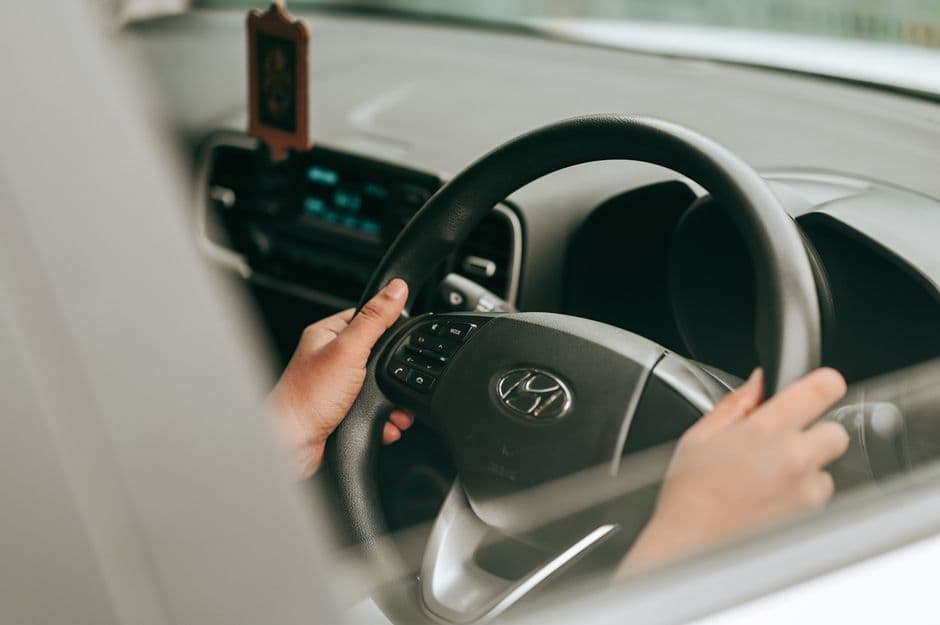
Hill starts without rolling back
The handbrake method works on any hill and stops the car rolling into whoever is sitting behind you:
- Stop on the hill, handbrake up, clutch in, first gear selected.
- Bring the clutch up to the bite point and hold it there.
- Add throttle until the engine sits around 1,500 to 2,000 rpm.
- Release the handbrake. The car holds on the clutch for a second.
- Ease the clutch out the rest of the way as the car pulls forward.
Newer manuals often include hill-hold assist, which keeps the brakes applied for a second or two after your right foot leaves the pedal. Use it if the car has it, but learn the handbrake version anyway. Keep your eyes on the road through all of it rather than down at the lever, since fumbling with controls is the same attention problem NHTSA covers under distracted driving.
The habits that wear a clutch out early
A clutch that is driven well often lasts well past 100,000 miles. A clutch that is slipped constantly can be finished before 50,000. Four habits account for most of the difference:
- Resting your foot on the pedal. Even light pressure keeps the release bearing loaded and the disc partly slipping.
- Holding the car on a hill with the clutch. Use the brake or the handbrake instead, every time.
- Slipping the clutch to crawl in traffic. Pick first gear, let it engage fully, and use the brake to control speed.
- Lugging in too high a gear. Downshift instead of forcing the engine to pull from 1,200 rpm uphill.
Manual gearboxes also want fresh fluid, usually somewhere between 30,000 and 60,000 miles depending on the manufacturer. It is a cheap service that almost nobody does, and it is worth adding to your regular maintenance checklist rather than waiting for the shifter to start notching.
Track the clutch, because it is the expensive part
Clutch replacement is one of those jobs where the part is cheap and the labor is not, since the transmission has to come out to reach it. That makes the mileage of your last clutch, gearbox fluid change, and slave cylinder replacement genuinely useful numbers to have, both for planning and for the next owner. Our breakdown of what car maintenance actually costs covers where jobs like this land in a yearly budget.
Log the date, mileage, parts, and cost each time the drivetrain gets touched. Wheelscribe keeps that history per car with photos and receipts attached, and the free plan covers one car with unlimited entries, which is plenty for a daily driver you plan to keep.
Frequently asked questions
Is it hard to learn how to drive a manual car?
It is awkward for a day and normal within a week. Most people can pull away, shift, and stop smoothly after an hour or two in an empty parking lot. The remaining practice is about hills, traffic, and confidence rather than new technique.
Does stalling damage the car?
No. Stalling means the engine could not carry the load as the clutch engaged, so it stopped. It is hard on nothing except your nerves. Push the clutch in, restart, and release the pedal more slowly next time.
What rpm should I shift at in a manual car?
Around 2,000 to 3,000 rpm covers normal driving in most petrol cars, a little lower in a diesel. Shift higher when you need acceleration and lower when you are cruising gently. The engine note tells you more than the tachometer once you are used to the car.
How long does a clutch last?
A clutch driven well often passes 100,000 miles, while one that is slipped in traffic or used to hold the car on hills can wear out before 50,000. Driving style matters far more than mileage alone.
Do manual transmissions need maintenance?
Yes. Manual gearboxes use fluid that most manufacturers want changed somewhere between 30,000 and 60,000 miles, and hydraulic clutches have a fluid circuit of their own. Check your owner's manual for the interval and log each change with the mileage.
Start logging your car's history
One car, unlimited entries, free forever. See pricing for what Pro adds.
Create free account