
How to Upgrade Your Car's Wheels and Rims
How to upgrade car rims without ruining your ride: the size and offset numbers that matter, alloy vs forged, TPMS, and what it actually costs.
What actually changes when you upgrade rims
Learning how to upgrade car rims means learning three numbers before you learn anything about looks: diameter, width, and offset. Get those wrong and the wheel either rubs the fender at full lock, fouls the brake caliper, or throws your speedometer off enough that you're quietly speeding without knowing it. Get them right and a wheel swap is one of the most visible upgrades you can make to a car, on par with a lowering job for how much it changes the stance.
The look is the reason most people start shopping. The fitment numbers are the reason so many wheel upgrades end up back on Craigslist six months later, sold at a loss because nobody checked clearance before buying.
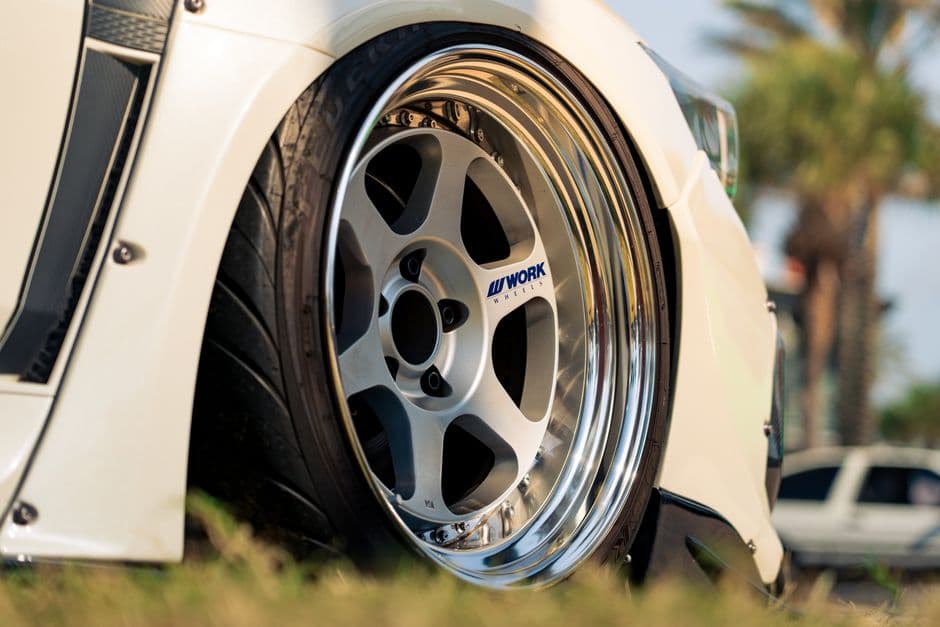
Diameter, width, and offset: the numbers that decide fitment
Diameter is the easy one: bigger wheels look more aggressive but need a lower-profile tire to keep the overall rolling diameter close to stock, or your speedometer and odometer both read wrong. Width determines how much tire meets the road and how far it pokes past the fender. Offset, measured in millimeters, is the one that trips people up: a lower offset pushes the wheel out toward the fender lip, a higher offset tucks it in toward the suspension.
A wheel that's 5mm off from what your car was designed for can be the difference between clean clearance and a tire rubbing the strut every time you turn. Bolt pattern and center bore matter just as much and get ignored just as often. If the bolt pattern doesn't match, the wheel simply won't mount. If the center bore is wrong, hub-centric rings can fix it, but skipping them invites vibration at highway speed that's easy to mistake for a bad tire balance.
Alloy, steel, and forged: what the material actually buys you
Cast alloy wheels are the default aftermarket choice: lighter than steel, cheaper than forged, and available in enough finishes to match almost any build. They're also the ones most likely to crack on a hard pothole hit, because casting leaves the metal with a looser grain structure than wheels built by other methods.
Forged wheels cost two to three times more for the same size, but the forging process compresses the metal's grain, so they can be built lighter without giving up strength, which matters most on track cars where unsprung weight affects how fast the suspension can react. Steel wheels are the budget and winter option: heavy, nearly impossible to crack, and cheap enough that curbing one is an annoyance instead of a few hundred dollars gone.
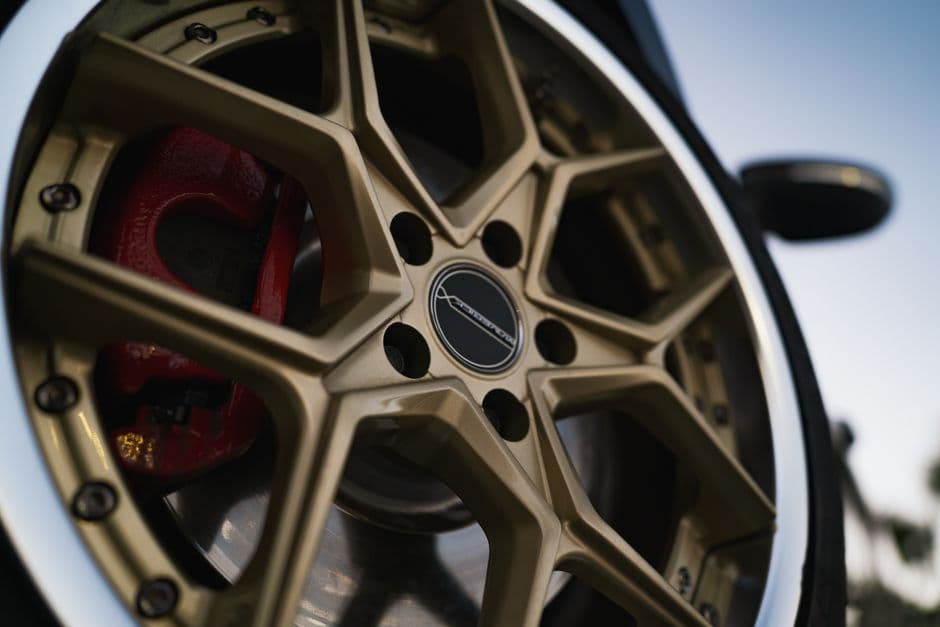
TPMS, tire fitment, and the mistakes that cost the most
Every car sold in the US since 2008 has to warn the driver when a tire is significantly underinflated, which is why nearly every wheel built for a modern car needs a compatible TPMS sensor. NHTSA's tire safety guidance covers why the system exists, and in practice it means budgeting for a sensor transfer or a new set of sensors any time you switch wheels rather than just swap tires on the originals.
The other expensive mistake is buying wheels first and figuring out tire fitment after. Load rating has to match or exceed what the car came with, and a tire that technically bolts on but sits a size too wide can rub the inner fender liner at full steering lock, something you often don't discover until the first tight parking lot turn. Tire Rack's wheel fitment guide is worth a slow read before you buy, not after.
What a wheel upgrade actually costs
Budget cast alloys in a common size start around $600 to $900 for a set of four, before tires. Add name-brand tires and mounting and balancing, and a full setup on a daily driver usually lands between $1,200 and $1,800. Forged wheels push that past $3,000 fast, and that's before anyone's curbed one on a downtown parking garage ramp.
TPMS sensors add $15 to $40 each if you need new ones, and an alignment after the swap is another $75 to $150 that people skip more often than they should. If you're still deciding what order to tackle mods in, our guide to beginner car upgrades covers where wheels rank against suspension, intake, and interior work.
Alignment and the break-in period after new rims
A wheel and tire swap changes the contact patch and sometimes the effective offset enough to knock the alignment out, so get one done within the first week even if the shop that mounted the wheels says it's not necessary. Uneven wear on a set of $1,500 tires shows up fast, and it's the kind of cost that's easy to avoid for the price of an alignment.
Give new wheel bearings and lug fasteners a re-torque check after the first fifty to a hundred miles too. Anything with a fresh install settles slightly, and a loose lug nut caught in a driveway beats one caught on the highway.
Log the fitment so the next set is easier to buy
The fitment numbers that took an afternoon of forum reading to figure out the first time are worth writing down. Wheel size, offset, tire size, and torque spec, saved once, mean the next set of wheels or the next set of tires is a five-minute lookup instead of a repeat of the research.
That's the same logic behind keeping every mod in Wheelscribe, as receipts, part numbers, and fitment notes attached to the actual entry instead of scattered across texts and browser tabs. It's free for a single build, and if you're tracking a whole project car rather than one mod at a time, the enthusiast build log setup is built for exactly that.
Frequently asked questions
How much does it cost to upgrade car rims?
A basic set of four aftermarket alloy wheels runs $600 to $900, and a full setup with tires, mounting, and an alignment usually lands between $1,200 and $1,800. Forged wheels push the total well past $3,000.
Do bigger rims hurt gas mileage?
Usually a little. Larger, heavier wheels and wider tires add rolling resistance and unsprung weight, which can cost a mile or two per gallon. Going up in diameter while dropping tire profile to match keeps the effect smaller.
Can I put any size rim on my car?
No. Bolt pattern and center bore have to match, offset has to keep the tire clear of the fender and suspension, and the tire's load rating has to meet or exceed the factory spec. Check fitment before buying, not after.
Do new rims need the TPMS sensors reset or replaced?
If you're keeping the original tires on the new wheels, sensors usually just transfer over. New wheel-and-tire packages typically need new sensors, which run $15 to $40 each plus programming.
Is powder coating or painting rims better?
Powder coating holds up better against curb rash and brake dust over time and is worth the extra cost on wheels you plan to keep for years. Paint is cheaper and fine for a shorter-term look or a budget build.
Will upgrading my rims void my car's warranty?
Aftermarket wheels alone rarely void a full warranty. Magnuson-Moss Warranty Act protections mean a manufacturer has to prove the wheels caused a specific failure before denying a claim tied to that part.
Start logging your car's history
One car, unlimited entries, free forever. See pricing for what Pro adds.
Create free account