
Post-Accident Repair Record Checklist
A post-accident repair record checklist covers the invoice, photos, and parts list that prove a car was fixed right and protect its resale value.
Why post-accident repair records matter
A post-accident repair record is the paper trail that proves a car was fixed correctly: the itemized invoice, the parts used, and photos of the damage before and after. Without it, a repaired car is just a car that might have been fixed right, which is a much harder thing to sell, insure, or trust yourself in six months.
This matters even for repairs that look cosmetic. Structural work that isn't done to spec can affect how a car handles a second collision, and a buyer's inspection or a future insurance claim will both go smoother with documentation than without it.

What to request from the shop before you leave
Ask for an itemized final invoice, not just a total: labor hours, every part replaced with its part number, and paint or materials used, including the paint code if the shop has it on file. A shop that's confident in its work will hand this over without hesitation, since it's standard documentation for any collision repair.
Also get a copy of the repair estimate the invoice was based on, so you can compare what was quoted against what was actually done. Discrepancies between the two are worth asking about before you drive off, not after.
Before-and-after photos worth keeping
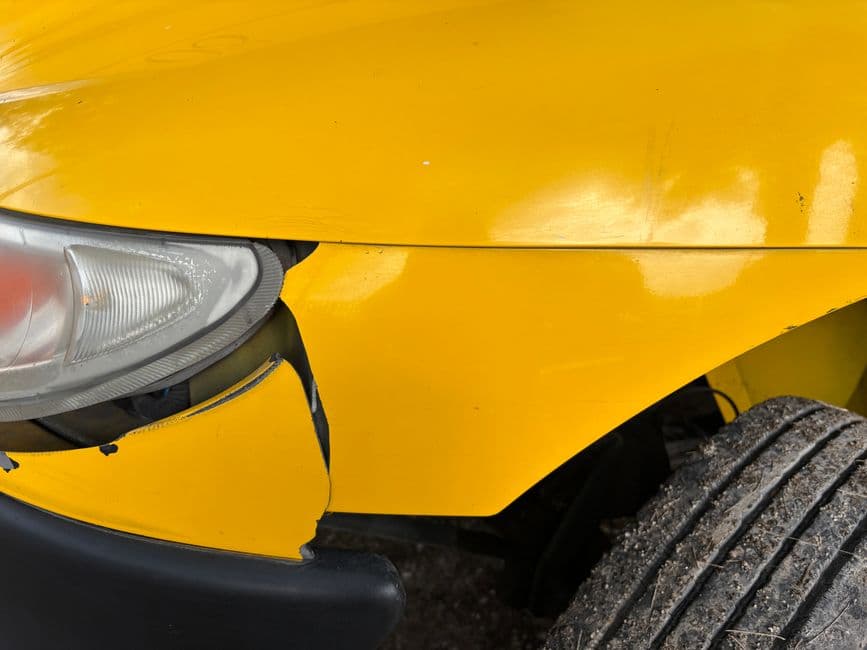
Photograph the damage yourself before it goes to the shop, from multiple angles and close enough to show the extent clearly, then photograph the finished repair the same way. These photos matter for a diminished value claim against the at-fault driver's insurance, and they matter later if a buyer or a future mechanic asks what happened to that panel.
OEM vs. aftermarket parts: why it's worth writing down
Insurance companies often push for aftermarket or used parts to keep claim costs down, and while that's not automatically a problem, it's information a future buyer or appraiser will want. Record whether each major part was OEM, aftermarket, or used/salvage, since it affects both how the repair holds up and how the car appraises later.
Insurance claim paperwork to keep alongside the repair record
Keep the claim number, the adjuster's damage report, and the final settlement letter with your repair invoice, not in a separate folder you'll never find again. The Insurance Information Institute recommends keeping claim documentation for at least as long as you own the vehicle, since a related issue can surface years after the original repair.
If you paid anything out of pocket beyond the deductible, keep that receipt separately too. It's the kind of detail that's easy to forget and hard to reconstruct later if a dispute comes up.
Warranty coverage on the repair itself
Most body shops warranty their work, often for as long as you own the car, but that warranty is only useful if you can prove where and when the work was done. Consumer Reports recommends getting any shop warranty in writing at pickup, not relying on a verbal promise, and keeping it with the rest of the repair file.
What to log going forward
A repair record only helps if it's still findable years later, which is where most paper folders and email threads fail. Our guide to how maintenance records affect resale value and our guide to checking a used car's maintenance history both cover the buyer's side of this same documentation.
Wheelscribe lets you attach the invoice, photos, and claim details straight to the entry in your car's log, so it's all in one place instead of scattered across email and a glovebox folder. It's free to start.
Frequently asked questions
What should I get from the body shop after an accident repair?
An itemized final invoice listing labor, every part replaced with its part number, and paint or materials used. Also keep the original repair estimate so you can compare what was quoted against what was actually done.
Do I need before-and-after photos of accident damage?
Yes. Photograph the damage from multiple angles before it goes to the shop, then photograph the finished repair. These photos support a diminished value claim and answer questions from future buyers or mechanics about what happened.
Why does it matter if a repair used OEM or aftermarket parts?
It affects both how well the repair holds up and how the car appraises later. Insurance companies often push for aftermarket or used parts to control costs, so recording what was actually installed protects you either way.
How long should I keep accident repair records?
For as long as you own the vehicle. A related issue, a warranty claim, or a diminished value dispute can surface years after the original repair, and the paperwork is much harder to reconstruct later than to keep from the start.
Do body shops warranty their repair work?
Most do, often for as long as you own the car, but it's only useful if you get it in writing at pickup rather than relying on a verbal promise, and keep it with the rest of the repair file.
Does a documented accident repair hurt resale value?
A well-documented repair hurts less than an undocumented one. Buyers and appraisers are more wary of damage they can't verify was fixed correctly than damage backed by an itemized invoice, photos, and a shop warranty.
Start logging your car's history
One car, unlimited entries, free forever. See pricing for what Pro adds.
Create free account