
Car Maintenance History & Resale Value
Why a documented car maintenance history increases resale value, how much it's worth, what records to keep, and how to turn your service log into a selling tool.
A documented history is worth real money
Yes, a complete car maintenance history increases resale value, and often by more than the maintenance itself cost. Two identical cars, same year, same mileage, same condition: the one with a folder of service records sells faster and for more than the one whose owner says “I took good care of it, trust me.” Buyers aren't paying for the oil changes. They're paying to remove doubt.
That's the whole mechanism. A used car is a gamble, and every unknown is a reason for a buyer to walk or lowball. A documented maintenance history turns unknowns into facts, and facts are what let you hold your asking price. This is the cheapest value you can add to a car, because you're not spending anything extra, just keeping proof of what you were already doing.

Why buyers pay more for a paper trail
A buyer looking at a used car is doing risk math whether they say so or not. Was the oil actually changed on time? Did the timing belt get done? Is that engine noise normal or the start of something expensive? Every question they can't answer gets priced in as risk, and risk means a lower offer or no offer. Records answer the questions before they're asked.
A well-kept history also signals something about you as an owner. Someone who logged every oil change and kept the receipts probably didn't skip the big services or abuse the car, and buyers read that signal loud and clear. It's the difference between “might be a problem” and “clearly cared for.” The FTC's used-car guidance frames it from the buyer's side, which is exactly the mindset you're selling into.
What a complete maintenance history includes
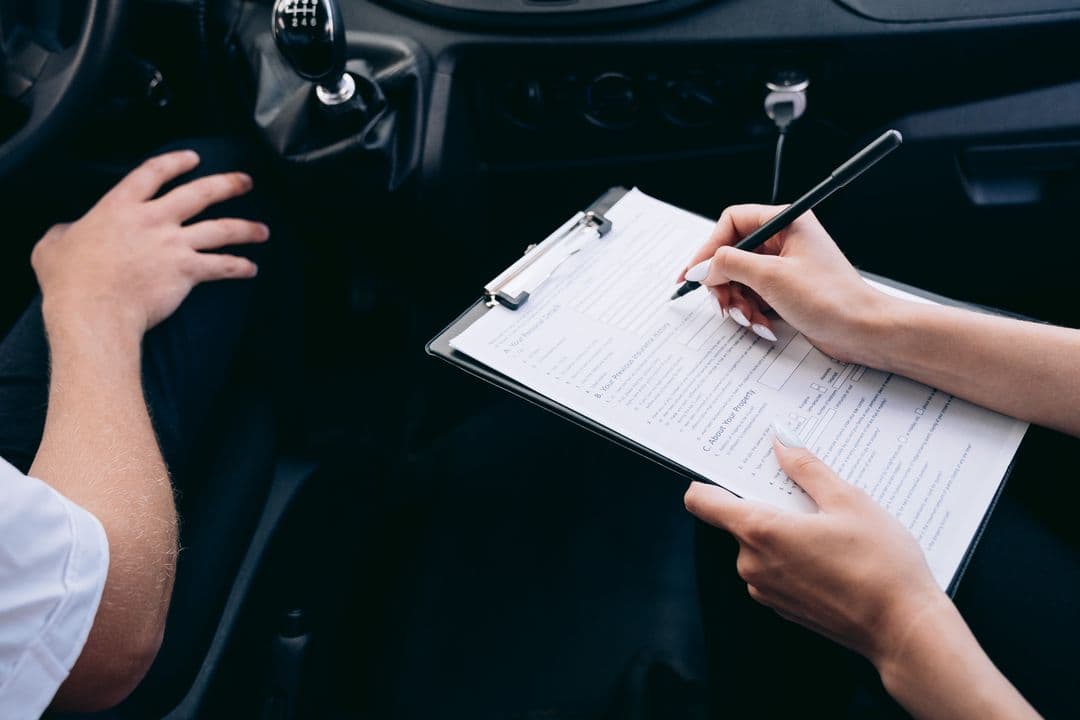
A history that actually reassures a buyer has a few things in it. Every service should show the date and the mileage it was done at, a description of the work, and ideally a receipt or invoice. The big-ticket items matter most: timing belt, transmission service, major brake work, and any repairs. A record that shows the 100,000-mile service was done is worth more to a buyer than a dozen logged oil changes, because it's the expensive job they most fear was skipped.
Consistency beats perfection. A history with a clear pattern of regular care, even with a gap or two, tells a better story than a shoebox of random receipts. Following your car's maintenance schedule and logging each item as you go is what builds that pattern without any effort at the end.
How much is a maintenance history worth?
There's no single number, but the effect is real and it grows with the car's value and age. On an older high-mileage car, records can be the difference between selling at all and having buyers assume the worst. On a newer or enthusiast car, a full history can add a meaningful premium, sometimes hundreds or more, because buyers of those cars specifically hunt for documented examples and pay up for them.
The leverage is strongest in private-party sales, where you're selling directly to a nervous buyer rather than a dealer running an auction formula. Records also shorten the sale: a documented car spends less time listed because the history removes the back and forth. Either way, you're trading a little organization for a stronger position at the negotiating table.
Start the record long before you sell
The catch is that a maintenance history can't be created the week you list the car. Its value comes from being contemporaneous, built up service by service over years, so trying to reconstruct it at the end produces a thin, obviously-assembled file that impresses nobody. The owners who cash in on records are the ones who started logging on day one, often without thinking of resale at all.
So the move is simple: log every service now, whether you plan to sell next year or keep the car forever. If you keep it, the record helps you maintain it; if you sell, it pays you back at the curb. There's no version of tracking your maintenance that doesn't help you. More on the buyer-facing side lives on the service records page.
Turn your history into a selling tool
A pile of receipts in a glovebox is a start, but a clean, organized timeline is what actually closes a sale. When a buyer can see every service in order, with dates, mileage, and photos of the receipts, the car sells itself and your asking price stops being a debate. The goal is to hand over proof, not promises.
Wheelscribe keeps every service with its date, mileage, parts, and receipt photo in one timeline per car, and paid plans can export that history to hand a buyer a tidy document instead of a shoebox. The free plan covers one car with unlimited entries, so you can start building the history that pays you back the day you sell.
Frequently asked questions
Do service records increase a car's resale value?
Yes. A documented maintenance history reliably raises resale value and helps a car sell faster, because it removes the uncertainty buyers price in as risk. Two otherwise identical cars will sell at different prices when one has complete records and the other has none.
How much do maintenance records add to a car's value?
There's no fixed figure, but the effect grows with the car's value and age. On older cars, records can make the difference between selling and stalling; on newer or enthusiast cars they can add a meaningful premium. The leverage is strongest in private-party sales.
What should be in a car's maintenance history?
Each service should list the date, mileage, a description of the work, and ideally a receipt or invoice. Big-ticket items like the timing belt, transmission service, and major repairs matter most, since those are the expensive jobs buyers most fear were skipped.
Can I create a maintenance history right before selling?
Not convincingly. A maintenance history is valuable because it's built up over time, service by service. Reconstructing one at the last minute produces a thin, obviously-assembled file. The records that add value come from logging consistently from the start, so begin now regardless of when you sell.
How do I show maintenance records to a buyer?
An organized timeline beats a pile of receipts. Present each service in order with dates, mileage, and photos of the invoices so a buyer can verify the car at a glance. A digital log you can export into a single clean document makes the strongest impression.
Start logging your car's history
One car, unlimited entries, free forever. See pricing for what Pro adds.
Create free account