
Power Steering Maintenance Guide
Power steering maintenance for both hydraulic and electric systems: fluid checks, leak signs, the whining-noise diagnosis, and when to call a shop.
What power steering maintenance actually covers
Power steering maintenance means two different jobs depending on what your car has under the hood. On a hydraulic system, it's a fluid you check and eventually flush, the same as brake fluid or coolant. On an electric power steering (EPS) system, which is what most cars built since the mid-2010s use, there's no fluid at all, just a motor and a set of sensors that either work or throw a dashboard warning when they don't.
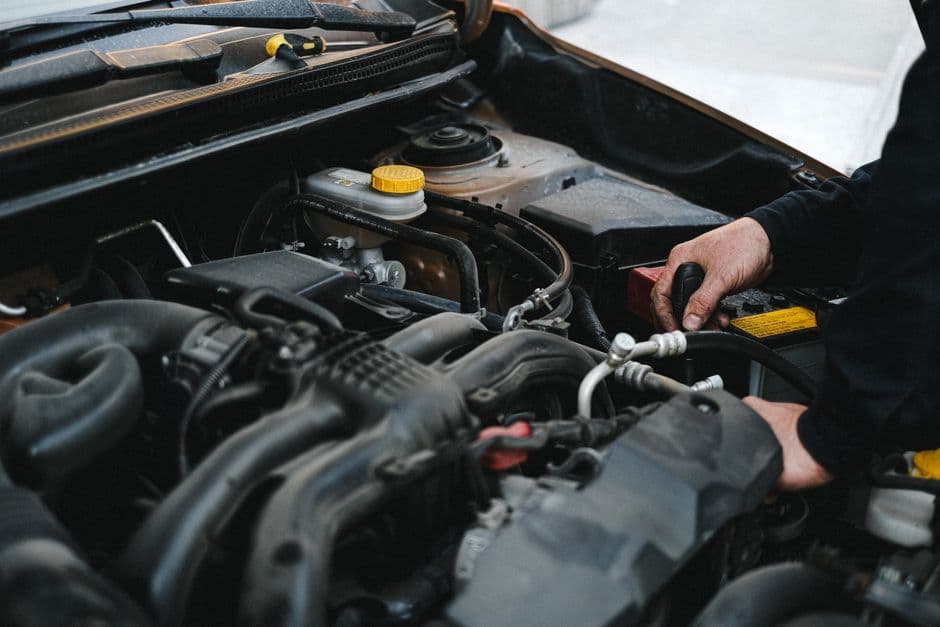
Knowing which one you have changes everything about how you maintain it. Check your owner's manual or look under the hood for a reservoir labeled “power steering fluid” near the firewall. If you find one, you're on a hydraulic or hybrid electro-hydraulic system. If you don't, your car almost certainly runs pure EPS, and the maintenance conversation shifts from fluid to fault codes.
Hydraulic vs. electric power steering: why it changes what you maintain
A hydraulic system uses a belt-driven pump to pressurize fluid that assists the rack and pinion every time you turn the wheel. That pump, the hoses, and the seals all wear, and the fluid itself breaks down with heat cycles over years of driving. It needs periodic checks and, eventually, a flush. Wikipedia's overview of power steering systems is a decent primer if you want the mechanical basics before you start poking around your own engine bay.
EPS replaces the pump and hydraulic lines with an electric motor mounted on the steering column or rack, controlled by the car's computer. There's nothing to flush and nothing to top off. When something goes wrong, it's almost always a sensor, a motor, or a wiring fault, and the car tells you about it with a warning light and a stored code rather than a puddle under the front bumper.
Signs your power steering system needs attention
A whining or groaning noise that gets louder when you turn the wheel, especially at low speed or while parking, is the classic sign of a hydraulic pump running low on fluid or starting to wear out. Stiff, heavy steering that seems to fight you, particularly right after startup, points the same direction. Neither symptom shows up on an EPS car, since there's no pump to whine.
On an EPS system, watch for a dashboard warning light, usually a steering wheel icon, paired with steering that suddenly feels much heavier than normal, as if the assist motor cut out. That's a fault the car has already detected, and it's worth a scan tool read rather than guesswork. On either system, a visible fluid leak, a puddle of reddish or amber fluid under the front of the car, is never normal and shouldn't wait.
How often to check and change power steering fluid
If your car has a hydraulic system, check the fluid level every few oil changes, and look closer at it whenever you're already under the hood. Most manufacturers recommend a full fluid flush somewhere between 50,000 and 100,000 miles, though the exact interval varies enough between brands that the owner's manual is the real source, not a generic number pulled from a forum post.
Fluid that's turned dark brown or has a burnt smell is overdue, regardless of mileage, since heat cycles break the fluid down faster in cars driven hard or in hot climates. There's nothing to schedule on an EPS system beyond a general electrical inspection if a warning ever appears, which is one less recurring job on the list compared to a hydraulic setup.
Checking and topping off power steering fluid yourself
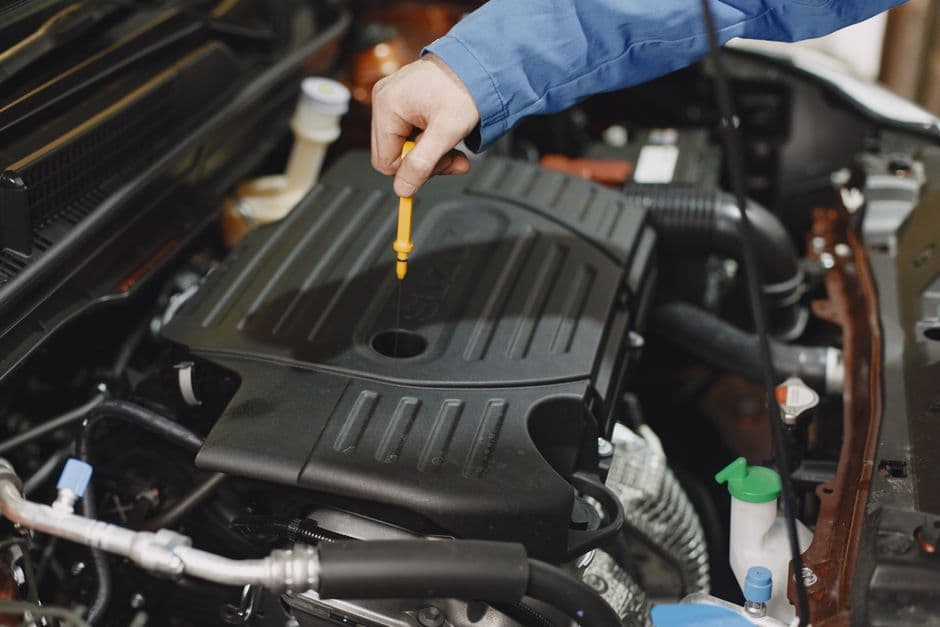
With the engine off and cold, find the reservoir, usually a small plastic tank with a cap marked by a steering wheel icon, and check the level against the min and max lines printed on the side. Wipe the cap's dipstick clean, reinsert it, and pull it back out to read the level accurately, the same technique as checking engine oil.
Use the exact fluid type listed in your owner's manual, since power steering fluid isn't universal the way engine oil viscosities sometimes overlap. Some cars call for dedicated power steering fluid, others for automatic transmission fluid, and using the wrong one can damage seals over time. Top off in small amounts, checking the level again after each addition rather than filling to the max line in one pour.
When to call a professional instead
A fluid top-off is a five-minute driveway job. A full flush, a leaking pump seal, or a worn rack and pinion is not, and pushing through those repairs without the right equipment usually means air trapped in the system or a job you have to redo. If the whining persists after topping off the fluid, the pump itself is likely wearing out and needs a proper diagnosis.
On an EPS car, a stored fault code and a warning light are a shop visit from the start, since there's no fluid or belt for a home mechanic to inspect. The NHTSA's vehicle equipment guidance treats steering as a safety-critical system for good reason, so this is one area where it's worth erring toward a second opinion rather than driving on a hunch.
Keeping a record of power steering service
A power steering fluid flush is exactly the kind of job that's easy to forget you ever did, since it doesn't come with a windshield sticker reminder the way an oil change does. Logging the date, mileage, and fluid type alongside your other routine fluid checks means you're not left guessing whether that groaning noise is new or just the pump finally catching up to a service you did years ago.
Wheelscribe's entry form keeps every fluid service tied to the car and mileage it happened at, so a pattern like “pump replaced at 88k, whining again at 140k” is something you can actually see instead of half remember. It's free to start with one car, which covers most driveways just fine.
Frequently asked questions
How do I know if my car has hydraulic or electric power steering?
Look under the hood for a reservoir labeled with a steering wheel icon, usually near the firewall. If you find one, you have a hydraulic or electro-hydraulic system that uses fluid. If there's no reservoir, your car almost certainly uses electric power steering (EPS), which has no fluid to check.
How often should power steering fluid be changed?
Most manufacturers recommend a flush somewhere between 50,000 and 100,000 miles, but the exact interval varies by brand, so check your owner's manual. Fluid that's turned dark brown or smells burnt is overdue regardless of mileage.
Why does my steering wheel whine when I turn it?
A whining or groaning noise when turning, especially at low speed, is the classic sign of a hydraulic power steering pump running low on fluid or starting to wear out. Check the fluid level first. If the noise continues after topping off, the pump likely needs a proper diagnosis.
Can I drive with a power steering fluid leak?
Not for long. A visible leak, usually a reddish or amber puddle under the front of the car, means the system is losing fluid and pressure. Continuing to drive on a low system can accelerate pump wear and eventually leave you without power assist entirely.
Does electric power steering ever need maintenance?
There's no fluid or belt to service, so routine maintenance is minimal. If a steering warning light appears or the wheel suddenly feels heavier, that's a fault the car's computer has already detected, and it needs a scan tool read rather than a driveway fix.
What kind of fluid does power steering use?
It depends on the car. Some manufacturers specify dedicated power steering fluid, others call for automatic transmission fluid. Check your owner's manual before topping off, since using the wrong fluid type can damage seals over time.
Start logging your car's history
One car, unlimited entries, free forever. See pricing for what Pro adds.
Create free account