Tire Rotation, Brakes, and Fluid Checks
How to rotate tires, check tire pressure, judge brake pad wear, and check car fluids, with the intervals and the numbers worth knowing.
How to rotate tires at home
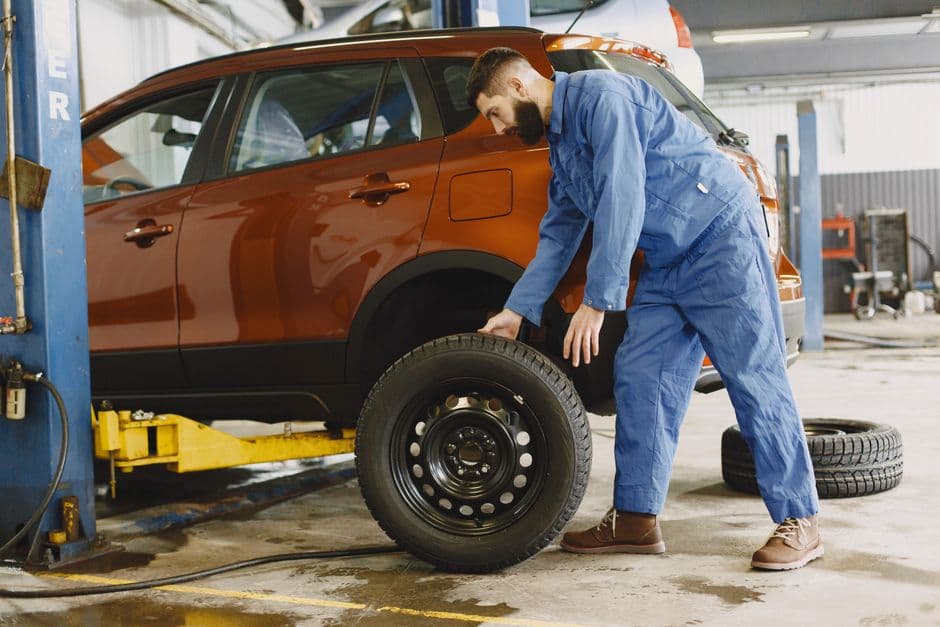
Rotate tires every 5,000 to 8,000 miles, or sooner if the wear looks uneven. The pattern depends on the drivetrain. Front-wheel drive goes forward on the same side and rearward crossed. Rear-wheel drive is the mirror of that. Directional tires, the ones with an arrow on the sidewall, only move front to back on their own side.
Loosen each lug nut about a quarter turn while the wheel is still on the ground, then lift the car onto stands, swap the wheels, and hand-thread every nut before any of them get torqued. Tighten in a star pattern to the figure in your service manual, drop the car, and go around once more. Then check that the tire pressure monitoring system relearned the new positions, because plenty of cars need a reset afterward.
How to check tire pressure without getting it wrong
Check tire pressure cold, meaning the car has sat for a few hours or driven less than a mile. Driving heats the air and can add several PSI, so a reading taken after the highway will send you home underinflated. The target lives on the sticker in the driver's door jamb, not on the tire sidewall. The sidewall number is the tire's maximum, which is a different thing entirely.
Use your own digital gauge rather than the one bolted to the gas station air hose. Check monthly and before long trips, and remember the spare, which is the one tire nobody looks at until it matters. Pressure also drops with the weather, roughly 1 PSI for every 10 degrees Fahrenheit, which is why the warning light appears on the first properly cold morning. NHTSA's tire guidance covers load ratings and age limits as well.
When to replace brake pads
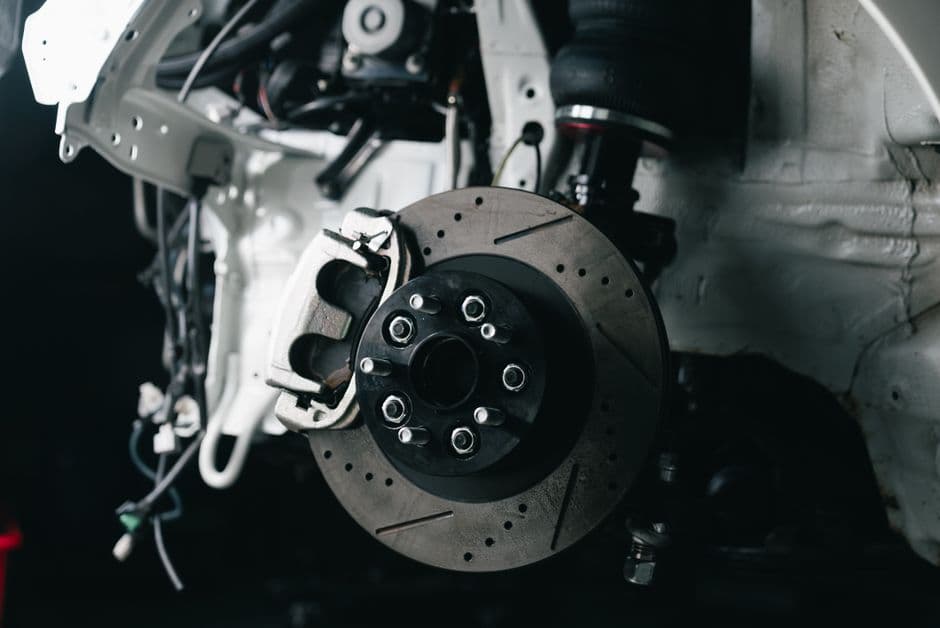
Replace brake pads when the friction material is down to about 3mm. A new pad is somewhere near 12mm, and most have a small metal tab that starts squealing right around that 3mm mark to tell you the same thing without a measurement. If the squeal turns into a grind, the pad is gone and you are now buying rotors too.
You can usually see the outer pad through the wheel spokes with a flashlight. Look at the rotor while you are there: a pronounced lip at the outer edge, deep scoring, or heavy blue discoloration all mean the rotor is part of the job. A pedal that sinks slowly under steady pressure is a hydraulic problem rather than a pad problem, and that one deserves a shop rather than a weekend.
How to check car fluids in ten minutes
Park on level ground first, because a sloped driveway will lie to you about every level under the hood. Engine oil reads best a few minutes after shutdown: pull the dipstick, wipe it, reseat it fully, pull again, and look at both the level and the colour. Coolant gets checked at the reservoir only, and only when the engine is cold, since opening a hot system is how people get burned.
Brake fluid should sit near the max line and look pale gold. Dark brown means it has absorbed moisture and is due for a flush. One warning: a slowly dropping brake fluid level is often just the pads wearing down and the caliper pistons extending, so topping it up hides the real message. Finish with washer fluid and power steering fluid if your car still has a hydraulic rack.
Do all four on the same visit
These jobs pair naturally. The wheels are already off for the rotation, so the brakes are right there to inspect, and the car is already in the driveway with the hood open for the fluid round. One afternoon every 5,000 to 8,000 miles covers all of it, which conveniently lines up with most oil change intervals.
Correct pressure and a well-maintained engine also cost you less at the pump, something the Department of Energy's fuel economy guidance spells out. If you are building the habit from scratch, our full maintenance checklist sets the rest of the calendar, and the oil change walkthrough covers the job these four bolt onto.
Record what you found, not just what you did
“Rotated tires” is a weak record. “Rotated at 47,200 miles, fronts 6/32, rears 8/32, pads 5mm all round” is a useful one, because six months later it tells you how fast things are wearing and roughly when the next set is due. Write down a measurement and you can work out the wear rate. Write down the task alone and you are starting from scratch every time.
The same logic applies to the battery, which is worth testing at the same interval per our battery maintenance guide. Wheelscribe stores those numbers per car with photos attached, so next time you can compare against the last reading rather than starting from zero.
Frequently asked questions
How often should I rotate my tires?
Every 5,000 to 8,000 miles for most cars, or sooner if you notice uneven wear. Pairing the rotation with your oil change is the easiest way to remember it, since the intervals line up on most maintenance schedules.
What tire rotation pattern should I use?
On front-wheel drive, fronts go straight back and rears cross to the opposite front. On rear-wheel drive, do the reverse. Directional tires with a sidewall arrow only swap front to back on the same side of the car.
Should I use the pressure printed on the tire sidewall?
No. The sidewall figure is the tire's maximum pressure, not the recommended one. Use the sticker in the driver's door jamb, which gives the pressure your specific car was designed around, and check it when the tires are cold.
How thin is too thin for brake pads?
Around 3mm of friction material is the replacement point, down from roughly 12mm when new. Most pads have a metal wear tab that squeals at about that thickness. A grinding noise means the material is gone and the rotors are being damaged.
Can I check car fluids when the engine is hot?
Check oil a few minutes after shutdown, but never open a cooling system that is still hot, because it is pressurised and can spray scalding coolant. Let the engine cool completely, then read the coolant level at the overflow reservoir.
Start logging your car's history
One car, unlimited entries, free forever. See pricing for what Pro adds.
Create free account