
Preventive Car Maintenance That Pays Off
Preventive car maintenance is cheaper than repairs. Here's what to do, how often to do it, and how to build a routine that actually sticks.
What preventive car maintenance actually means
Preventive car maintenance is the upkeep you do on a schedule, before anything breaks, to stop small problems from becoming expensive ones. Think oil and filter changes, tire rotations, brake and coolant checks, belts and hoses. It's the opposite of reactive repair, where you wait for a warning light or a roadside failure and then pay for the original part plus whatever it damaged on the way out.
People use “preventive” and “preventative” interchangeably, and both mean the same thing: catch it early, keep it cheap. The whole case for preventative maintenance is arithmetic. A forty-dollar oil change on time is cheaper than a rebuilt engine, and a twenty-dollar coolant flush beats a head gasket. You're trading a little predictable spending now for a lot of unpredictable spending later.
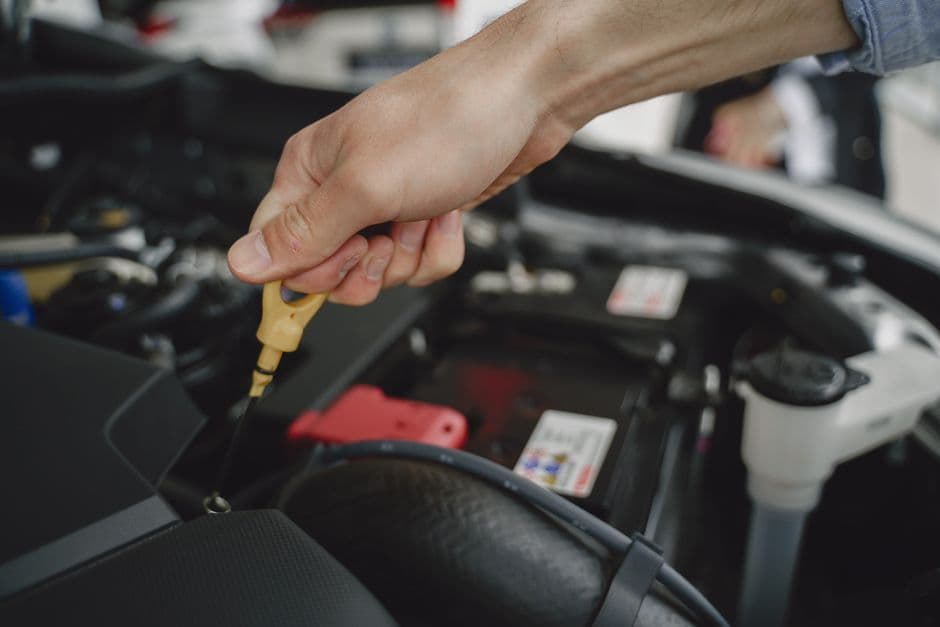
The preventive maintenance that returns the most
A short list does most of the work. Oil and filter changes protect the most expensive part of the car for the least money, so they top every list. Tire rotation and correct pressure stretch tire life and save fuel, and they take minutes. Brake fluid and coolant both absorb moisture and degrade on a time schedule, not just a mileage one, so they get missed constantly and cost a fortune when ignored.
Round it out with the cheap inspections: the engine air filter, the cabin filter, wiper blades, and a two-minute look at belts and hoses for cracks or bulges. None of these are glamorous and none take long, but skipping them is where most avoidable breakdowns start. If you want the fuller version, the maintenance schedule guide lays out realistic intervals for each of these.
How often: turning intervals into a routine
Your owner's manual wins every argument about timing. It lists the manufacturer intervals for your exact engine and drivetrain, and it beats any generic chart on the internet, including this one. The one rule worth memorizing: when an interval is given in both miles and months, whichever comes first is the one that counts. Low-mileage drivers get burned here constantly, because oil and fluids age on the calendar even if the odometer barely moves.
Two seasonal checks make the routine bulletproof: before winter, test the battery and check coolant and tires; before summer, look at the AC and wipers. The goal isn't to memorize a calendar. It's to build a rhythm where the next service is never a surprise, because you can see it coming.
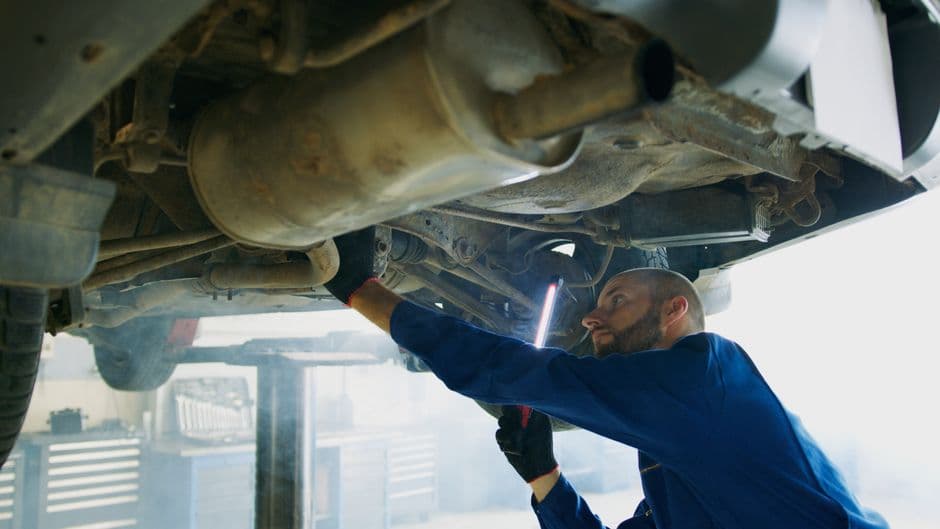
Preventive maintenance only works if you track it
The plan is easy. Remembering it eleven months later is the hard part. Preventive maintenance falls apart not because people don't know what to do, but because they can't remember when they last did it. Was the brake fluid flushed two years ago or four? Did the coolant get done before or after the water pump? Without a record, you're guessing, and guessing usually means either paying for a service you didn't need or skipping one you did.
A dated log turns good intentions into a system. Write down each job with its date and mileage, and the next due date does the math for you. Wheelscribe keeps every service, part, and cost on one timeline per car, so you can glance at the history and know exactly what's due. The free plan covers a single car with unlimited entries, and once you're tracking spend, it's easy to see how much prevention saves you versus repair.
For a neutral second opinion on what's genuinely worth doing, the U.S. Department of Energy's maintenance guide and NHTSA's tire guidance both back up the basics without trying to sell you anything.
Frequently asked questions
What is preventive maintenance on a car?
It's the scheduled upkeep you do before anything breaks: oil and filter changes, tire rotations, brake and coolant checks, and inspecting belts and hoses. The goal is to catch small problems early, while they're cheap, instead of waiting for a failure and paying for the damage it causes.
Is preventive maintenance worth the cost?
Almost always. A routine oil change costs a fraction of an engine repair, and a fluid flush is far cheaper than the component it protects. You trade small, predictable spending now for much larger, unpredictable repair bills later, and you keep the car more reliable in the meantime.
What are the most important preventive maintenance items?
Oil and filter changes, correct tire pressure and rotation, and brake fluid and coolant service give the biggest return. Add the cheap inspections, air and cabin filters, wiper blades, and a look at belts and hoses, and you've covered the causes of most avoidable breakdowns.
How often should I do preventive maintenance?
Follow the intervals in your owner's manual, which are specific to your engine and drivetrain. When an interval is listed in both miles and months, go by whichever comes first, since fluids age on the calendar even if you drive very little. Add a seasonal check before winter and summer.
What's the difference between preventive and routine maintenance?
They overlap heavily and the terms are often used interchangeably. Routine maintenance is the regular scheduled work itself, while preventive maintenance describes the goal behind it: doing that work on time specifically to prevent breakdowns and expensive repairs down the road.
Start logging your car's history
One car, unlimited entries, free forever. See pricing for what Pro adds.
Create free account