
Project Car Budget: What It Really Costs
What a project car actually costs once you're past the purchase price: parts, tools, storage, and insurance, plus how to build a budget before you buy.
What a project car budget actually needs to cover
A project car budget has to plan for four buckets: the purchase price, parts and labor, tools and storage, and the ongoing costs of owning a car that isn't your daily driver. Most people budget for the first bucket and guess at the rest, which is exactly how a $3,000 “cheap project car” turns into an $11,000 project before it's drivable.
None of that means project cars are a bad idea. It means the purchase price is a down payment on a hobby with ongoing costs, not the final number, and budgeting like it is the final number is where most builds run out of money halfway through.
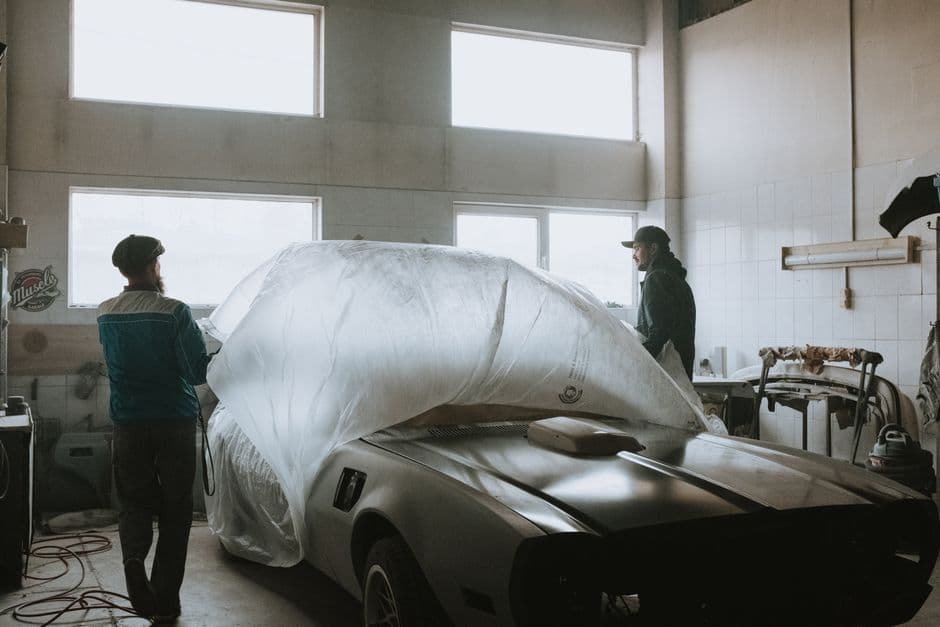
Purchase price is the smallest piece of the budget
A cheap project car and a good project car aren't the same purchase. The cheap one is cheap because something is wrong with it, rust, a seized engine, missing trim, and every one of those problems has a dollar figure attached that usually exceeds what you saved on the sticker price. A good project car costs more up front specifically because it needs less money later.
A reasonable rule from people who've done this more than once: budget for the purchase price again in parts and labor for a mild build, two to three times the purchase price for anything closer to a full restoration. If that math doesn't work for what you can actually spend, it's worth reading our guide to choosing a project car before you buy anything, since the car you pick determines most of what comes next.
Parts and labor: what DIY actually saves you
Doing the work yourself typically cuts the labor line to close to zero, but it stretches the timeline and adds a learning curve that costs its own kind of money in tools and mistakes. Paying a shop compresses the timeline but the labor rate on a project build, especially anything involving rust repair or an engine rebuild, often outweighs the parts cost by two or three to one.
The realistic budget for most first-time builders is a mix: DIY the bolt-on work like suspension, brakes, and interior, and pay a shop for welding, machine work, and anything that ends badly if it's done wrong. Getting that split right is the single biggest lever on total cost.
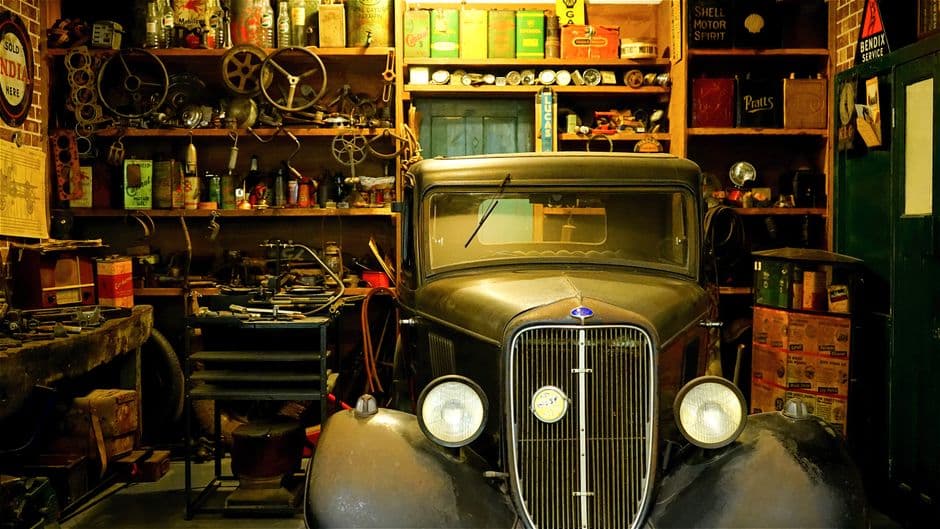
Tools and storage: the costs nobody budgets for
A first-time builder without a garage full of tools already can expect to spend $500 to $2,000 outfitting a basic home setup: jack stands, a decent floor jack, a torque wrench, and hand tools that don't round off every other bolt. That's a one-time cost that pays for itself over multiple projects, but it still has to be in the first-year number.
Storage is the recurring cost that catches people off guard. A car that sits for months at a time between work sessions needs somewhere dry to sit, and a rented garage or storage unit runs $100 to $300 a month in most areas, money that adds up fast on a build that takes a year or more.
Insurance and registration for a car you don't drive daily
A project car sitting in the driveway still needs to be insured if it's titled and parked somewhere it could be stolen or damaged, but it usually doesn't need full daily-driver coverage. Specialty collector-car insurers like Hagerty write storage and agreed-value policies specifically for cars under build, often for less than a standard policy since the mileage and use are so limited.
Get an appraisal or at least a documented value estimate before you insure it. Agreed value coverage only pays what the policy says the car is worth, and that number is worth getting right rather than guessing low to save a few dollars a month.
Building a realistic budget before you buy
Price out the big parts before you commit to the car, not after. Engine, transmission, body panels, and interior pieces for anything less common than a Mustang or a Civic can be scarce enough that a single part search changes the whole budget. A quick check of a valuation tool like Kelley Blue Book also tells you what the finished car is realistically worth, so you know upfront whether this is a build for love or one that might actually pay you back.
Add a 20 to 30 percent contingency on top of whatever number you land on. Every project car has at least one surprise once you get into it, rust that wasn't visible in photos, a part that's discontinued, a “small” job that turns into removing half the front end.
Track spending so the budget actually holds
Budgets fail quietly, one $40 part at a time, because nobody adds up the receipts until the total is already a surprise. Logging every part and its cost as you buy it, not at the end of the build, is the difference between a budget you can actually see and one you find out you blew past in month four.
That's what Wheelscribe's build log is built for: every part, receipt, and cost attached to the entry it belongs to, so the running total is always current. It's free to start, and the enthusiast setup is built specifically for tracking a full build from purchase to finished car.
Frequently asked questions
How much does a project car cost in total?
It depends heavily on the car and how far you take it, but a mild build usually runs one to two times the purchase price in parts and labor, while a full restoration can run two to three times that. Add a 20 to 30 percent contingency on top.
Is a cheap project car actually cheaper?
Often not. A cheap price usually reflects rust, missing parts, or mechanical problems, and fixing those can cost more than paying more upfront for a car that needs less work. A 'good' project car at a higher price is frequently the better deal.
How much should I budget for project car tools?
First-time builders without a stocked garage typically spend $500 to $2,000 on jack stands, a floor jack, a torque wrench, and core hand tools. It's a one-time cost that carries over to future builds.
Does a project car need its own insurance policy?
Usually yes if it's titled and stored somewhere it could be damaged or stolen, though it rarely needs full daily-driver coverage. Storage or agreed-value policies from specialty insurers are typically cheaper for a car with limited use.
What hidden costs catch project car builders off guard?
Storage rent if the car doesn't fit in an existing garage, discontinued parts that cost more to source, and rust or damage hidden under trim that only shows up once the car is apart. Budget a contingency for all three.
How do I keep a project car from becoming a money pit?
Price the major parts before buying the car, set a total budget with a contingency built in, and track every purchase as you make it instead of tallying receipts at the end. Most overruns come from not knowing the running total.
Start logging your car's history
One car, unlimited entries, free forever. See pricing for what Pro adds.
Create free account