
Rust Prevention and Undercoating Guide
Rust prevention and car undercoating explained: how factory protection works, when to reapply an undercoat, and the wash habits that actually matter.
Where rust prevention actually starts
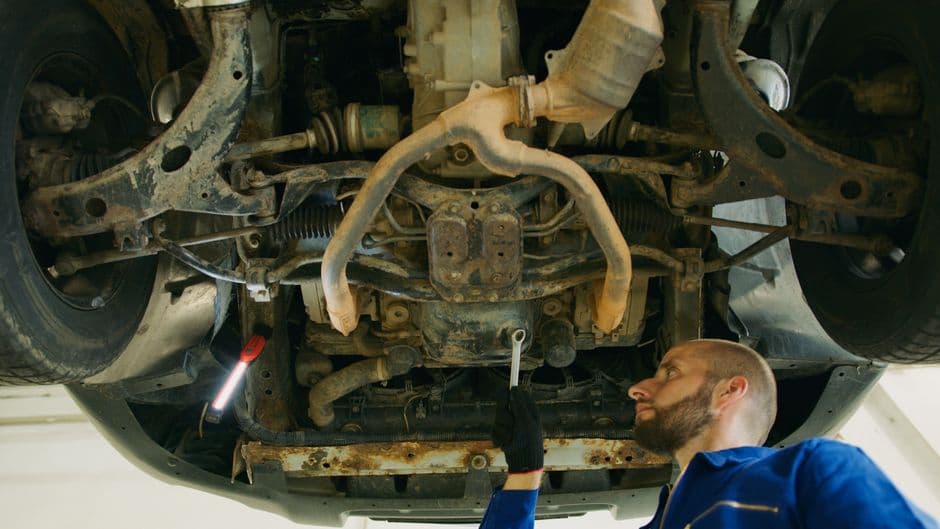
Rust prevention is mostly about keeping water, salt, and dirt from sitting against bare metal long enough to start the reaction. Every modern car leaves the factory with some corrosion protection already built in, usually a combination of galvanized steel panels, e-coat primer, and cavity wax injected into rocker panels and frame rails. Undercoating is the aftermarket layer people add on top of that, sprayed onto the underbody where factory protection wears thin fastest.
None of this makes a car rustproof. It buys time. A well-protected car in a mild, dry climate might never show a rust spot; the same car run through ten winters of salted roads in the Rust Belt will fight it constantly no matter what was sprayed on at the dealership.
Factory protection vs aftermarket undercoating
Aftermarket undercoating comes in a few forms that behave differently over time. Oil- or wax-based products stay slightly soft and self-heal small scratches, but they need reapplication every year or two since they thin out. Rubberized or asphalt-based coatings go on thick and last longer without reapplication, but a stone chip or scrape can crack the coating and trap moisture underneath it, which does more damage than no coating at all.
Electronic rust inhibitors, which claim to fight corrosion with a low electrical current, are the most disputed option on the market and don't have the same body of evidence behind them that oil- and wax-based treatments do. If you're choosing between products, a wax-based spray with a yearly reapplication habit is the safer bet for most owners.
Road salt is the real enemy
Winter road salt is the single biggest driver of rust in cold-climate states, since it keeps roads wet with a corrosive brine well below freezing instead of letting them dry. The Federal Highway Administration's winter operations program covers how widely salt and brine are used on public roads, and it's worth understanding if you're wondering why a car from a salted state rusts faster than an identical one from further south.
A rinse of the undercarriage after driving on salted roads, even just with a garden hose aimed up into the wheel wells, does more for long-term rust prevention than any single product. Salt left to dry and recrystallize is what actually eats through metal over a season.
DIY habits that actually slow rust down
Beyond undercoating, a handful of cheap habits matter more than most owners expect. Keep the drainage holes in door bottoms and rocker panels clear of leaves and mud so trapped water has somewhere to go. Touch up stone chips in paint before they sit through a winter, since a nickel-sized bare spot today is a rust bubble by spring. Check the factory rustproofing plugs in rocker panels and rails periodically, since a missing plug is an open door for water.
Wash the car through winter, not just in spring once the salt is already ground in for months. Our car washing guide covers technique that applies here too, and a touchless winter rinse counts even if a full hand wash isn't practical in freezing weather.
When to reapply an undercoat
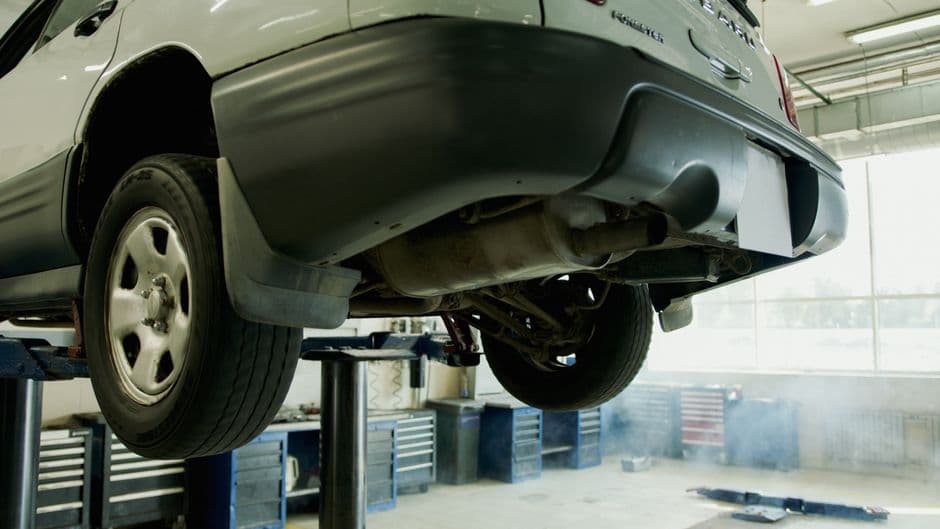
A yearly inspection, ideally at the start of fall before the salt trucks come out, is the right cadence for most oil- or wax-based undercoating. Rubberized coatings last longer between applications, but should still get a look every couple of years for cracks or gaps, especially around suspension components and exhaust hangers where road debris hits hardest.
If you're buying a used car from a salt state, a pre-purchase inspection that includes a look at the frame rails, rocker panels, and brake lines is worth the cost. Surface rust on a bumper is cosmetic. Rust perforating a frame rail or brake line is a safety problem, and it's much cheaper to catch before you own the car than after.
Log the undercoating and any rust repairs
Undercoating and rust repair work is exactly the kind of maintenance that's easy to forget the details of years later: which shop applied it, what product, and when it's due for a refresh. Recording it alongside the rest of your service history means you can answer “when was this last done” without digging through old emails.
It also matters at resale, since documented rust prevention is a real selling point in a salt-belt market. Wheelscribe's entry form keeps that history attached to the car, and if you're prepping to sell, our service records export turns it into something a buyer can actually review.
Frequently asked questions
Does car undercoating actually prevent rust?
It slows rust down rather than preventing it entirely. Undercoating adds a barrier over factory rust protection, but it needs periodic reapplication and inspection, especially after stone chips or scrapes crack the coating and trap moisture underneath.
How often should undercoating be reapplied?
Oil- or wax-based undercoating typically needs reapplication every year or two since it thins out over time. Rubberized or asphalt-based coatings last longer but should still be inspected every couple of years for cracks.
Why does road salt cause so much rust?
Salt keeps roads wet with a corrosive brine well below freezing, which means metal stays in contact with moisture far longer than it would from rain alone. Rinsing the undercarriage after driving on salted roads meaningfully slows the damage.
Is rubberized undercoating better than wax-based undercoating?
Rubberized coatings last longer without reapplication, but a chip or scrape can crack the coating and trap moisture underneath, which can do more damage than no coating. Wax-based products self-heal small scratches but need yearly reapplication.
What should I check for rust when buying a used car?
Look closely at the frame rails, rocker panels, and brake lines, especially on a car from a salt-belt state. Surface rust on a bumper is cosmetic, but rust perforating a frame rail or brake line is a safety issue worth walking away from.
Start logging your car's history
One car, unlimited entries, free forever. See pricing for what Pro adds.
Create free account