
How to Wash a Car Without Wrecking Paint
How to wash a car at home without swirl marks: the two-bucket method, the right soap, drying that doesn't scratch, and how often to actually do it.
How to wash a car, step by step
Park in the shade, rinse the whole car before anything touches it, then work top down with two buckets and a soft mitt, and dry it yourself instead of letting the sun do it. Most of how to wash a car safely is order of operations rather than products. Almost every swirl mark on a daily driver came from someone scrubbing a dry, dusty panel in a hurry.
- Rinse loose grit off the whole car with a hose before any mitt touches paint.
- Fill one bucket with car soap and a second with plain rinse water.
- Wash one panel at a time, top down, rinsing the mitt in the plain bucket between panels.
- Leave wheels, tires, and lower rockers for last, using a separate mitt or brush.
- Rinse the whole car again before any soap has a chance to dry on it.
- Dry it right away with clean microfiber towels, not the sun and not an old bath towel.
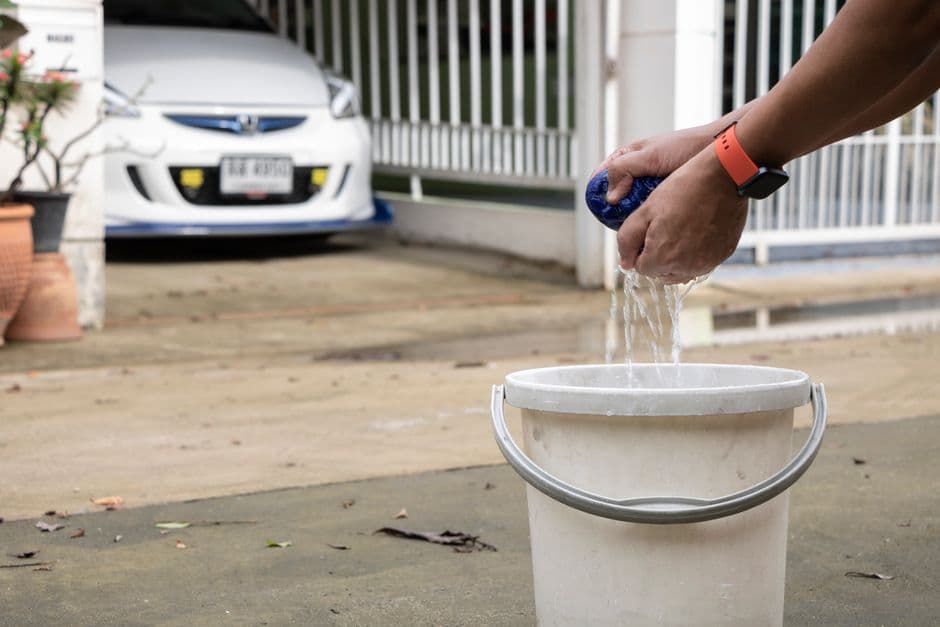
The two-bucket method, and why swirl marks happen
Swirl marks are thousands of tiny scratches, and they come from dirt you dragged across the paint rather than from the soap. One bucket means every dunk puts that grit straight back on your mitt. Two buckets fix it: soap in one, plain water in the other, and the mitt gets rinsed in the plain bucket after every panel so the grit sinks instead of riding along. A grit guard in the bottom of the rinse bucket helps, though a careful rinse works nearly as well.
Wash top down for the same reason. Roof and glass are the cleanest surfaces on the car, rocker panels and bumpers are the filthiest, so anything you touch first should be the least likely to load up your mitt. If the mitt hits the ground, it is done for the day.
What to wash a car with at home
Use a pH-neutral car shampoo, a microfiber or lambswool mitt, and a dedicated wheel cleaner. That is the whole kit. Dish soap is the classic mistake: it is built to strip grease, so it happily strips the wax or sealant you paid for and leaves the paint bare. Sponges and household brushes trap grit against the surface, and a stiff brush on a dark car will show every pass in the next bit of sunlight.
Bug splatter and bird droppings need a dedicated remover and some patience, not extra pressure. Both are acidic and will etch clear coat if you leave them baking for a week. Automatic washes with spinning brushes are the fastest way to add swirls to a car you care about, so if you use a tunnel wash, pick a touchless one. Consumer Reports keeps a running comparison of wash methods and products if you want a second opinion before you stock up.
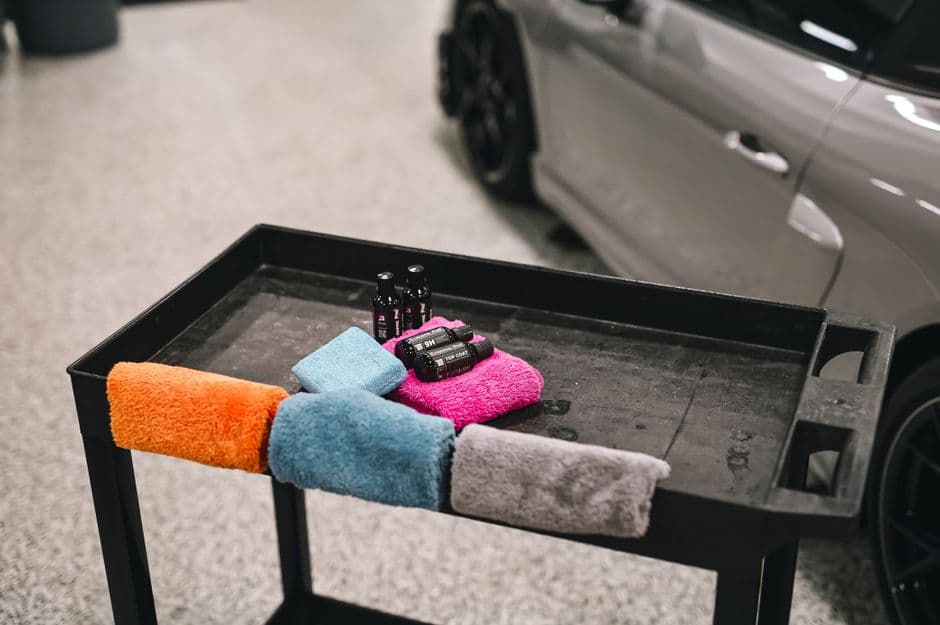
Drying without putting scratches in the paint
Dry the car before the water dries on it. Tap water carries minerals, and when a droplet evaporates in the sun it leaves those minerals bonded to the clear coat as a water spot. Hard-water areas can etch spots in a single afternoon. A big waffle-weave microfiber towel laid flat and pulled gently across a panel lifts most of the water without pressure, and a spray-on drying aid adds lubrication so the towel glides instead of grabbing.
A leaf blower or a dedicated car dryer is genuinely useful here, especially around mirrors, grilles, and badges where water hides and then runs down a clean panel ten minutes later. Keep drying towels separate from wheel towels, wash them without fabric softener, and retire any towel that has met the ground.
How often should you wash your car?
Every two weeks suits most cars. Push it to weekly if you park outside under trees, drive gravel roads, or live somewhere that salts the roads all winter, because road salt is the one contaminant that quietly eats a car from underneath. Bird droppings and bug guts are the exception to any schedule: get those off within a day or two, no matter when you last washed.
Do not skip the underside in winter. A rinse of the wheel wells and rockers after a salty week does more for the car's long-term health than another coat of wax. If you wash on a driveway, the EPA's guidance on urban runoff is worth a look, since soapy water heading into a storm drain goes straight to the nearest waterway untreated.
Wax, sealant, and keeping the finish protected
Washing removes dirt. Protection is what keeps the next round of dirt from sticking. Carnauba wax looks warm and lasts roughly two to three months, a synthetic sealant runs closer to six, and a ceramic coating goes a year or more but wants a properly decontaminated surface before it goes on. Whichever you pick, apply it to a clean, dry car.
Run your hand over the paint through a plastic bag after a wash. If it feels gritty rather than glassy, the paint has bonded contamination and a clay bar or clay mitt will pull it off before you seal anything in. Doing that once or twice a year is the difference between paint that stays sharp and paint that goes dull at five years old.
Log washes and detailing next to the rest of your maintenance
Paint care is maintenance, so it belongs in the same record as your oil changes. Write down the date, the mileage, what you used, and when you last waxed or clayed. It sounds fussy until the day you cannot remember whether that sealant went on in March or last September, or a buyer asks why a ten-year-old car still looks like this.
Wheelscribe treats a detail like any other entry, so it sits in the same timeline as your regular maintenance checklist and your oil change records. You can attach photos to every entry to show the finish over time, and the free plan covers one car if you just want to see whether the habit sticks.
Frequently asked questions
What is the correct order to wash a car?
Rinse the whole car first, then wash top down one panel at a time, leaving wheels and lower rockers for last with a separate mitt. Rinse again before the soap dries, then dry with microfiber. Working top down keeps the dirtiest areas away from your mitt the longest.
Can I use dish soap to wash my car?
No. Dish soap is designed to strip grease, so it also strips the wax or sealant protecting your paint and dries out rubber trim. A pH-neutral car shampoo cleans just as well and leaves the protection intact. It costs a few dollars more per bottle and lasts months.
How often should you wash your car?
Every two weeks works for most cars. Go weekly if you park under trees, drive gravel, or live where roads get salted in winter. Bird droppings and bug splatter are acidic and should come off within a day or two regardless of your normal schedule.
What causes swirl marks when washing a car?
Dirt dragged across the paint, usually from a single wash bucket, a sponge, or an automatic wash with spinning brushes. The two-bucket method plus a clean microfiber mitt removes most of the risk. Washing a dry, dusty car without rinsing first is the fastest way to add them.
Should I dry my car or let it air dry?
Dry it. Air drying leaves the minerals in tap water bonded to your clear coat as water spots, which can etch in hard-water areas. Use a large waffle-weave microfiber towel, a drying aid spray for lubrication, or a blower for mirrors and badges where water hides.
Is it better to wash a car by hand or at a car wash?
By hand, if you have the time and space. It gives you control over pressure, contact, and drying. If you use a commercial wash, choose a touchless one, since the spinning brushes in older tunnel washes are a reliable source of swirl marks on dark paint.
Start logging your car's history
One car, unlimited entries, free forever. See pricing for what Pro adds.
Create free account