
RV Maintenance Guide: What and When
A practical recreational vehicle maintenance guide: roof seals, tires, brakes, batteries, and the seasonal RV maintenance schedule that prevents big repairs.
RV maintenance in one page
Recreational vehicle maintenance splits into two jobs that most owners blur together: keeping the chassis safe to drive, and keeping the house on top of it dry. The chassis wants the same oil, brake, and tire attention any vehicle does. The house wants sealant checks, appliance service, and water system care. Miss the first and you break down. Miss the second and you get soft floors, which cost far more than any tow.
- Inspect roof and seam sealant every three months, and after any hail.
- Check tire pressure cold before every trip, and replace tires by age, not tread.
- Service the chassis on the engine maker's schedule, not on the RV brand's brochure.
- Test and clean the batteries monthly during the season.
- Sanitize the fresh water system twice a year, and winterize before the first freeze.
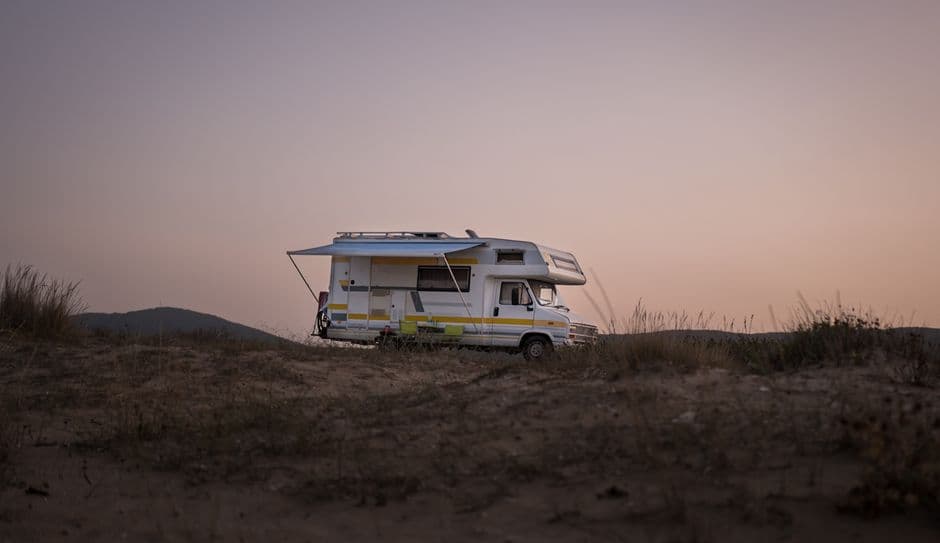
Roof, seams, and the leak you cannot see yet
Sealant is the single highest-value item on any RV maintenance schedule. Every roof penetration, vent, antenna, skylight, and marker light sits in a bead of lap sealant that shrinks and cracks under sun and flex. Water finds the crack long before you find the stain, and by then it has been sitting in the luan and framing for months.
Get on the roof quarterly if the structure allows it, or use a ladder and a phone camera if it does not. Look for hairline splits, lifted edges, and anywhere the sealant has gone chalky. Clean the area, then reseal with a product matched to your roof material, since EPDM, TPO, and fiberglass all want different chemistry. Write down which product you used and where, because the next owner of that spot will be you in two years, wondering.
RV tires age out before they wear out
Most RV tires get replaced with plenty of tread left, because the rubber is old rather than worn. A rig that covers 3,000 miles a year will hit the five to seven year mark long before the tread does, and a sidewall failure at highway speed on a heavy trailer tends to take bodywork with it. Read the four digit DOT date code on the sidewall and plan around it.
Pressure matters as much as age. Weigh the rig loaded for a real trip, then set pressure from the tire maker's load and inflation table rather than the number moulded into the sidewall. Check them cold, before you drive, since a warm tire reads high and hides an underinflated one. NHTSA's tire safety guidance covers load ratings and date codes if you want the official version.
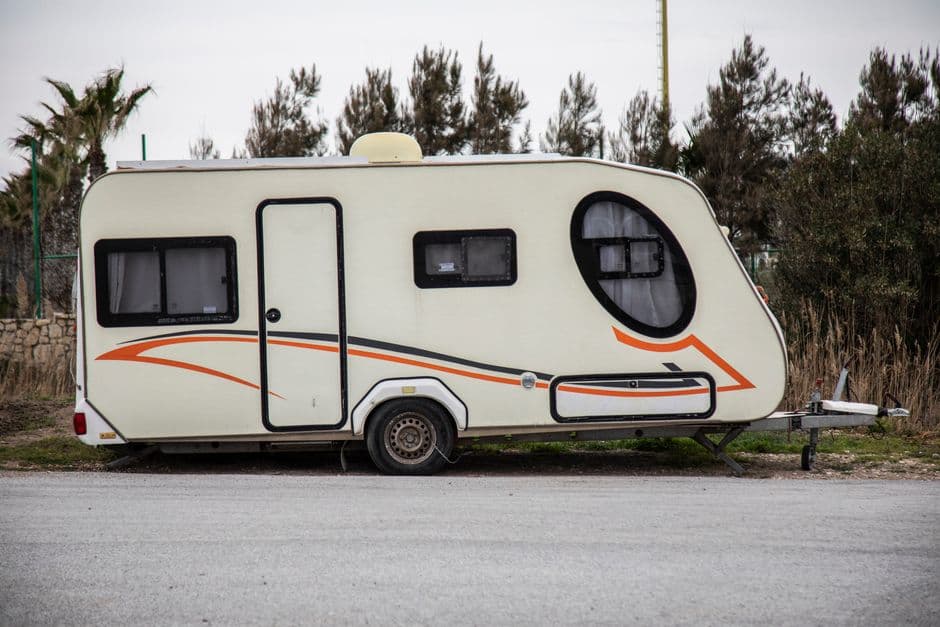
Chassis service: engine, brakes, and bearings
Motorhome chassis follow the engine and chassis maker's schedule, so a Ford or Freightliner manual outranks anything the coach builder printed. Oil and filters, transmission fluid, coolant, and the fuel filters on a diesel pusher all run on mileage or time, whichever comes first, and time usually comes first on an RV. A rig that sits ten months a year still needs annual fluid service.
Towable owners have a shorter list but a critical one: wheel bearings repacked roughly every year or 12,000 miles, brake magnets and shoes inspected on the same visit, and the breakaway battery tested before every trip. Diesel motorhome owners can borrow most of the engine side of our truck maintenance guide, since the powertrains overlap heavily.
Batteries, propane, and the house systems
An RV carries at least two battery systems, and the house bank is the one that dies early. Flooded lead acid batteries want their water level checked monthly in season and their terminals kept clean, while lithium banks want a charger profile that actually matches the chemistry. Both hate sitting at partial charge through a cold winter. The same habits from our car battery maintenance piece apply, just multiplied.
Propane appliances need a yearly look: burner assemblies get spider webs, the water heater anode rod erodes away, and the fridge cooling fins collect dust that quietly kills cooling performance. Test every LP detector and carbon monoxide alarm at the start of the season, and note the expiry date, since those units age out after five to seven years whether or not they still beep.
Seasonal RV maintenance: opening and winterizing
Spring opening is a checklist, not a vibe. Sanitize the fresh water system with a diluted bleach solution, pressure test for leaks, run every appliance, reinstall the batteries you pulled in the fall, and inspect the sealant before the first trip rather than after. Autumn is the reverse: drain the tanks and lines, blow them out or pump in RV antifreeze, bypass the water heater, and pull the anode rod.
Freeze damage is the most expensive avoidable repair in the RV world, and it happens to people who thought they had one more warm week. Consumer Reports covers the general vehicle side of seasonal prep, though RV specific steps come from your owner manual and the plumbing layout of your rig.
Keep an RV maintenance log you will actually use
An RV generates two record streams at once. Chassis entries run on mileage, house entries run on dates and seasons, and both matter at resale because buyers of used rigs are professionally suspicious about water damage. A dated photo of fresh roof sealant does more for a listing than any amount of “always garaged” in the description.
Wheelscribe treats the rig as one vehicle with a single timeline, so the bearing repack, the roof reseal, and the annual oil change all sit in one history you can hand over. Attach receipts and photos to each entry, keep the service records ready for a sale, and start on the free plan if you only have the one rig to track.
Frequently asked questions
How often should you service an RV?
Chassis service follows the engine maker's schedule, which is usually annual for fluids on a rig that covers low miles. House systems want a quarterly sealant inspection, monthly battery checks in season, and a full open and close routine each spring and fall.
How long do RV tires last?
Five to seven years for most RV tires, regardless of remaining tread. Check the four digit DOT date code on the sidewall and replace on age. Low annual mileage means the rubber ages out long before the tread wears down, and sidewall failures on heavy rigs cause body damage.
What is the most important RV maintenance task?
Sealant inspection on the roof and seams. Water intrusion rots the framing and floor from the inside, and repairs run into the thousands once it spreads. A quarterly look at every roof penetration plus prompt resealing prevents the most expensive failure an RV can have.
Do I need to winterize my RV every year?
Yes, if freezing temperatures reach where it is stored. Drain the tanks and water lines, add RV antifreeze or blow the lines out, bypass the water heater, and pull the anode rod. Split pipes and cracked fittings from one hard freeze cost far more than the antifreeze.
How often should RV wheel bearings be repacked?
Roughly every year or 12,000 miles on a travel trailer or fifth wheel, and it is a good moment to inspect the brake shoes and magnets. Bearings that run dry seize the hub at highway speed, which is one of the more dramatic ways to end a camping trip.
Does maintenance history matter when selling an RV?
It matters more than on a car, because used RV buyers are mainly worried about hidden water damage. Dated photos of sealant work, receipts for appliance service, and a chassis service history give a buyer something concrete instead of your word.
Start logging your car's history
One car, unlimited entries, free forever. See pricing for what Pro adds.
Create free account