
Serpentine Belt Replacement Guide
Serpentine belt maintenance: how to spot cracking or glazing early, realistic replacement intervals, and how it differs from a timing belt.
What the serpentine belt actually does
The serpentine belt is the single long, ribbed belt that snakes around most of the pulleys on the front of your engine, driving the alternator, power steering pump, air conditioning compressor, and water pump all from one belt. On most modern engines it replaced what used to be three or four separate V-belts, which is convenient right up until the one belt fails and takes every one of those systems down with it at once.
That's the part that catches people off guard. A dead serpentine belt doesn't just kill the AC. It kills your alternator's ability to charge the battery and your power steering assist in the same moment, usually while you're already driving.
Signs a serpentine belt is failing
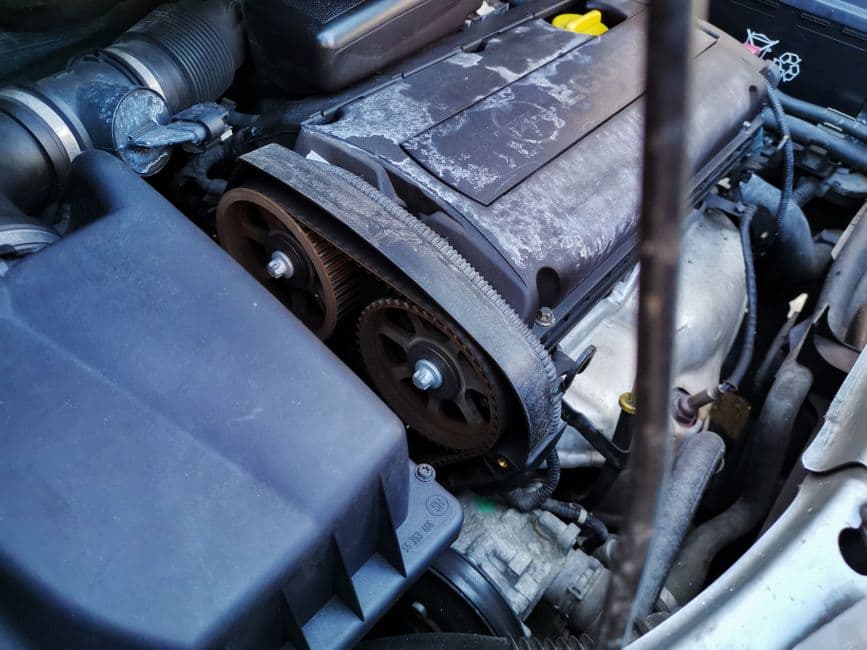
A squeal on cold start-up that fades once the engine warms up is the classic early warning, usually caused by a belt that's glazed or slightly loose rather than one that's about to snap. Look at the ribbed underside for cracking across the ribs, fraying edges, or a shiny, glazed surface that's lost its grip. Any one of those means replacement, not a “let's see how long it lasts” wait.
A worn automatic tensioner can mimic belt problems too, causing chirping or fluttering noises even on a belt that still looks fine. If a new belt doesn't fix a persistent noise, the tensioner or an idler pulley bearing is the next thing to check, not another belt.
Realistic replacement intervals
Most manufacturers spec a serpentine belt somewhere between 60,000 and 100,000 miles, though heat, mileage, and belt material all shift that range. Modern EPDM rubber belts tend to crack less visibly than the older neoprene compounds did, which is actually a problem: they can fail with little warning instead of showing the classic cracking, so treat the mileage interval as a real deadline rather than something to push until you see damage.
Heat is the belt's real enemy, so a car that sits in stop-and-go traffic in a hot climate will wear through belts faster than the same car driven mostly on the highway somewhere cooler. Your owner's manual maintenance schedule is still the right starting point over any generic number, this one included.
Serpentine belt vs timing belt: don't confuse the two
These are two completely different parts that happen to share the word “belt.” The serpentine belt sits on the outside of the engine, is easy to inspect visually, and drives accessories that don't stop the engine from running if it fails, though you'll want to pull over quickly once it does. A timing belt is buried inside the engine, keeps the crankshaft and camshaft synchronized, and its failure can bend valves and strand the car on the spot on an interference engine.
They're serviced on completely different schedules and by different methods too. If you're trying to figure out when your timing belt or chain is due, that's a separate job worth reading up on specifically rather than lumping in with this one.
DIY replacement, or leave it to a shop?
On many cars, swapping a serpentine belt is a genuinely approachable DIY job: relieve tension on the automatic tensioner with a breaker bar, slip the old belt off, route the new one following the routing diagram (usually printed on a sticker under the hood), and release the tensioner. The whole thing often takes under an hour with basic tools.
Tight engine bays, a tensioner that needs a specific tool, or a belt buried behind other components can turn that same job into a multi-hour fight. If you're not confident about routing it correctly, a wrong routing can put tension on a pulley backward and destroy the new belt within minutes of starting the engine, so it's a reasonable job to hand off if the layout looks unfriendly.
Log the replacement and the mileage it was done at
A serpentine belt replacement is easy to forget the exact mileage of, and that mileage is the one number that tells you whether a new squeal three years from now is normal wear or something else going on. Logging it alongside the tensioner and idler pulleys, if they were replaced at the same time, saves you from redoing work that's still fine.
If you're tracking a broader maintenance schedule, our car maintenance schedule guide covers where belt service fits in relative to everything else. Wheelscribe's entry form keeps the mileage, cost, and part number together, and it's free to start.
Frequently asked questions
What does a serpentine belt do?
It's the single ribbed belt that drives the alternator, power steering pump, AC compressor, and often the water pump from one belt routed around several pulleys, replacing what used to be multiple separate belts.
How do I know if my serpentine belt is going bad?
Watch for a squeal on cold start-up that fades as the engine warms, visible cracking or fraying on the ribbed side, or a shiny, glazed surface. Any of these means it's time to replace the belt.
How often should a serpentine belt be replaced?
Most manufacturers spec somewhere between 60,000 and 100,000 miles, though heat and driving conditions shift that range. Check your owner's manual for the exact interval rather than relying on visible damage alone, since modern belts can fail with little warning.
Is a serpentine belt the same as a timing belt?
No. The serpentine belt is on the outside of the engine and drives accessories like the alternator and AC compressor. The timing belt is inside the engine and keeps the crankshaft and camshaft synchronized. They're different parts on different replacement schedules.
Can I replace a serpentine belt myself?
On many cars, yes. It typically involves relieving tension with a breaker bar on the automatic tensioner, removing the old belt, and routing a new one per the diagram under the hood. Tight engine bays or hard-to-reach tensioners can make it a shop job instead.
What happens if a serpentine belt breaks while driving?
You lose power steering assist and the alternator's ability to charge the battery at the same time, since one belt drives both. The engine keeps running briefly on battery power, but you should pull over as soon as it's safe.
Start logging your car's history
One car, unlimited entries, free forever. See pricing for what Pro adds.
Create free account