
Smog Check and Emissions Test Records
Why to keep smog check and emissions test records, what makes a car fail, and how documented repairs speed up your next registration renewal.
Why emissions test records are worth keeping
A smog check or emissions test result is a document you're required to produce once, usually to renew registration, and then most owners throw it away. That's a mistake. The same paperwork proves the car passed on a given date and mileage, which matters if a repair shop's work is later questioned, if you're selling the car, or if you fail a future test and need to show what's changed since the last passing result.
Emissions programs also vary a lot by state and even by county, since many states only require testing in specific urban areas rather than statewide. Keeping your own copy means you're not relying on a testing station's records six months after the fact, and some stations don't keep results on file nearly that long.
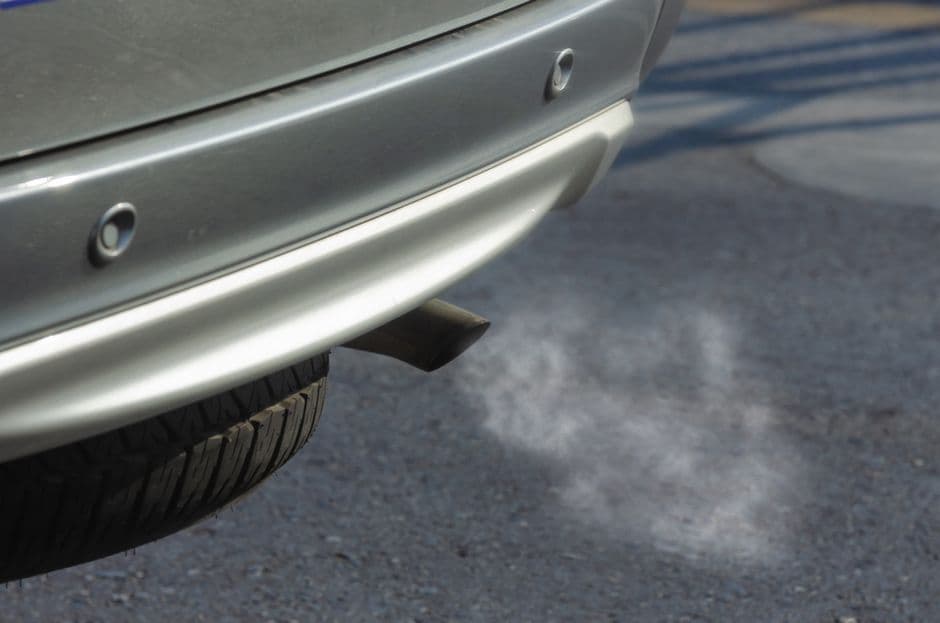
How emissions and smog check programs actually work
The vehicle emissions testing programs run by individual states typically fall into one of two categories: a tailpipe test that measures actual exhaust output, or a simpler OBD (onboard diagnostics) check that reads your car's computer for stored fault codes and readiness monitor status. Most newer cars only need the OBD check, which takes a few minutes and doesn't involve a dyno at all.
Requirements typically apply to specific vehicle ages and are often concentrated in metro areas with air quality issues, rather than applying uniformly across an entire state. Check your local DMV or environmental agency for the exact rule where you register the car, since assuming your neighbor's requirements match yours is a common mistake.
What usually causes a failed emissions test
A check engine light on at the time of testing is an automatic fail in most OBD-based programs, regardless of what triggered it, so a code you've been ignoring for “just an emissions thing” can cost you the whole test. A loose or damaged gas cap, a failing catalytic converter, and a bad oxygen sensor are three of the most common specific culprits behind an actual failure.
Readiness monitors are the other trap. If you've recently disconnected the battery or cleared a code yourself, the car's computer needs to complete a drive cycle before those monitors report ready, and testing before that happens results in an incomplete test rather than a pass. Give it a few days of normal mixed driving before heading back to the testing station.
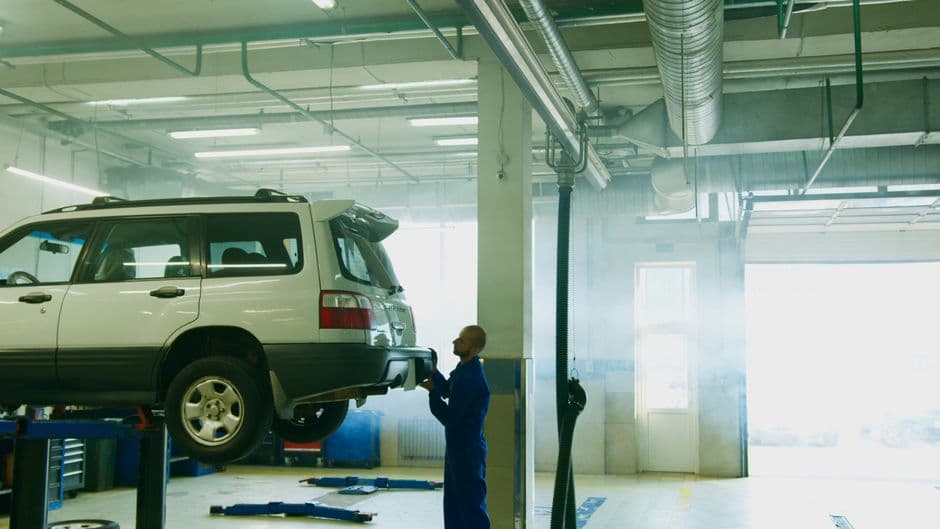
After a failed test: repair order and retest rules
Fix the check engine light's actual cause first, not just the code that's stored, since clearing a code without repairing the underlying issue almost always brings the light right back within a drive cycle or two. Many programs also cap how much you're required to spend on emissions-related repairs before you can qualify for a waiver, so keeping repair receipts is what proves you hit that cap if it comes up.
After a repair, most stations want the readiness monitors to show complete before they'll retest, which usually means several days of regular driving rather than an immediate re-test the same afternoon. Our general maintenance guidance is a useful sanity check if a shop recommends work that seems unrelated to the actual failure.
Keeping emissions records pays off at resale too
A car with a documented history of passing emissions tests, plus receipts for any emissions-related repairs, is an easier sell in any state that requires testing. It tells a buyer the car isn't hiding a catalytic converter or sensor problem that's about to become their problem at the next renewal. Our guide on how maintenance records increase resale value covers the broader case for keeping this kind of paperwork.
It also matters if you're buying rather than selling. Our guide to checking a used car's maintenance history walks through what to ask a seller for before you commit, and emissions results belong on that list right alongside oil change records.
Where to keep the paperwork
A photo of the test printout, filed against the correct date and mileage, is enough to settle most disputes later, whether that's a shop questioning a warranty repair or a buyer asking when the car last passed. Paper copies fade and go missing in a glovebox over a few years in a way a digital record doesn't.
Wheelscribe's entry form attaches a photo of the test result directly to the entry for that date and mileage, so it's sitting next to whatever repair caused or followed it. It's free to start with one car if you want to try it before your next renewal comes due.
Frequently asked questions
Why should I keep my smog check or emissions test results?
The paperwork proves the car passed on a specific date and mileage, which matters for resale, warranty disputes over emissions-related repairs, and as a backup if a testing station doesn't keep records long-term.
What usually causes a car to fail an emissions test?
A check engine light on at test time is an automatic fail in most OBD-based programs. A loose or damaged gas cap, a failing catalytic converter, and a bad oxygen sensor are among the most common specific causes.
Why did my emissions test come back incomplete instead of pass or fail?
This usually means the car's readiness monitors haven't finished their check cycle, often after a recent battery disconnect or cleared code. A few days of normal mixed driving typically lets the monitors complete before retesting.
How long after a repair should I wait to retest for emissions?
Most programs want the readiness monitors to show complete before retesting, which usually takes several days of regular driving rather than an immediate same-day retest.
Do all states require emissions or smog testing?
No. Requirements vary by state and are often limited to specific counties or metro areas with air quality concerns, rather than applying statewide. Check your local DMV or environmental agency for the exact rule where the car is registered.
Start logging your car's history
One car, unlimited entries, free forever. See pricing for what Pro adds.
Create free account