
Snowmobile Maintenance Guide
Snowmobile maintenance means checking the belt, clutch, track, and coolant before every ride, then storing it right each spring. Full checklist inside.
What snowmobile maintenance actually covers
Snowmobile maintenance is the routine work that keeps a sled starting on the first pull and running the way it did on day one: checking the drive belt and clutch, keeping the track at the right tension, flushing coolant on schedule, and storing the machine correctly once the snow melts. None of it is glamorous, and most of it takes longer to write down than it does to actually check.
That's different from building a sled out for deep powder with a bigger track or a bored-out cylinder, which is a modification project rather than upkeep. This guide sticks to keeping the snowmobile you already own reliable, since a sled that won't start on a cold morning ruins the ride before it starts.
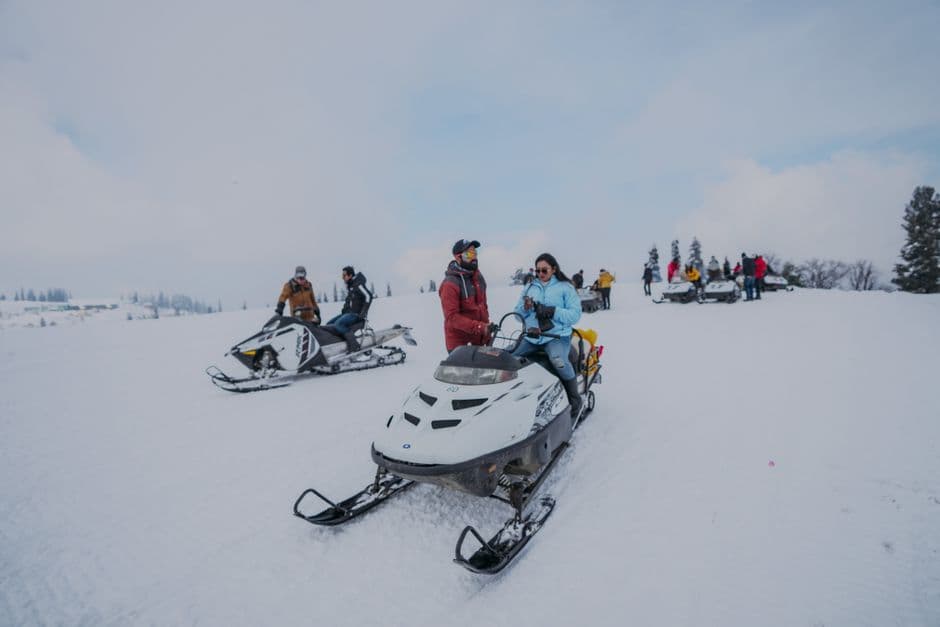
Before every ride: the five-minute check
Before you trailer the sled anywhere, run through five things: oil level (injector oil on a two-stroke, engine oil on a four-stroke), coolant level in the reservoir, track tension and alignment, brake lever feel, and that the headlight and taillight both work. The American Council of Snowmobile Associations recommends this exact five-point check before setting out on any trail.
A cold engine also needs a minute to warm up before you push it hard. Letting the oil circulate and the clutch reach operating temperature before wide-open throttle protects the belt from the kind of glazing that shows up as slipping later in the season.
Drive belt and clutch maintenance
The drive belt is the single part most likely to strand you. Check it every few rides for glazing (a shiny, hard surface instead of a matte one), cracking, or fraying along the edges, and measure belt deflection against your owner's manual spec rather than guessing by feel. A belt that's too loose slips and burns; too tight and it overloads the clutch bearings.
Clutch alignment and offset drift out of spec as components wear, and a misaligned clutch is what turns a good belt into a glazed one in half a season. Most dealers check this as part of a pre-season tune, and it's worth having done even if you're comfortable doing the rest yourself.

Track, slide rails, and carbide runners
Track tension needs checking more often than most owners think, since a track that's too loose can ratchet off the drivers and a track that's too tight wears the slide rails fast. Push down on the track between the rear idler wheels; your manual will give you a deflection range in inches, not a vague “snug” feeling.
Slide rails wear down gradually and need replacing before they wear through to the track clips, which is a much more expensive failure. Carbide runners on the skis wear the same way: steering that feels vague and a sled that won't hold a line through corners is usually worn carbide, not an alignment problem.
Engine oil, coolant, and spark plugs
Two-stroke and four-stroke engines age differently. A two-stroke burns injector oil as it runs, so the check is topping off the reservoir and matching the oil ratio to your manual, not a scheduled oil change. A four-stroke needs its oil and filter changed on a mileage or hours interval the same way a car does, usually every 100 to 200 hours of riding.
Coolant should be flushed on the interval your manual lists, typically every two to three seasons, since old coolant loses its corrosion protection long before it looks dirty. Spark plugs are cheap and worth replacing at the start of every season rather than waiting for a hard start to tell you they're gone.
End-of-season storage that actually protects the engine
How you store a snowmobile for the summer determines how it starts next winter. Run the fuel tank down and add stabilizer, or drain it completely if you won't ride again for six months, since ethanol-blended fuel left sitting gums up jets by fall. Fogging oil in the cylinder before the final shutdown protects against internal rust over a humid summer. The International Snowmobile Manufacturers Association covers fogging and fuel stabilization in more detail if you want the full manufacturer-level checklist.
Put the sled on a stand or blocks so the track isn't bearing weight all summer, which prevents flat spots and slide rail wear from sitting in one position. A battery tender keeps the battery from sulfating over months of storage, the same way it does for a car or motorcycle that sits.
What to log after every ride and service
A line after every ride, even just hours and what you checked, is what tells you six months later whether the belt looked fine in October or whether you're actually seeing new wear. The same goes for anything a dealer flags during a pre-season tune: write down what they found, not just what they fixed.
The same discipline applies to any powersports vehicle you own, not just a sled; our motorcycle maintenance guide covers the same belt-and-clutch logic for two wheels. Wheelscribe keeps every check tied to the date and hours it happened at instead of scattered across a garage notebook, and it's free to start.
Frequently asked questions
How often should I check my snowmobile's drive belt?
Every few rides during the season, and always before a long trip. Look for glazing, cracking, or fraying, and check deflection against your manual's spec rather than guessing by feel.
How do I store a snowmobile for the summer?
Run the tank low and add fuel stabilizer or drain it fully, fog the engine, put it on a stand so the track isn't bearing weight, and keep the battery on a tender. All four prevent the most common off-season damage.
How often should snowmobile coolant be changed?
Every two to three seasons on most sleds, per the owner's manual, since old coolant loses its corrosion protection well before it looks visibly dirty.
What does a glazed drive belt look like?
A shiny, hard surface instead of the normal matte rubber finish, often with a burnt smell. It's usually caused by belt slip from clutch misalignment or riding hard before the clutch reaches operating temperature.
Do two-stroke and four-stroke snowmobiles need different maintenance?
Yes. A two-stroke needs its injector oil reservoir topped off and mixed to spec rather than scheduled oil changes, while a four-stroke needs oil and filter changes on a mileage or hours interval like a car engine.
How do I know if my carbide runners are worn out?
Vague steering feel and a sled that won't hold a line through corners are the main signs. Worn carbide is a common cause that often gets misdiagnosed as an alignment problem.
Start logging your car's history
One car, unlimited entries, free forever. See pricing for what Pro adds.
Create free account