
Track Day Car Prep Checklist
What to actually check before a track day: tire pressure, brakes, fluids, tech inspection, and what to log once you're back in the paddock.
What actually needs checking before a track day
A track day prep checklist comes down to five systems: tires, brakes, fluids, fasteners, and anything loose enough to come off at speed. None of it is exotic. It's the same stuff a street car needs, checked more carefully and closer to the actual event, because a worn part that's fine for a commute can fail fast under sustained track load.
Do the real inspection a few days before the event, not the morning of, so you have time to source a part if something fails the check. A quick walkaround in the paddock that morning is still worth doing, but it's a final confirmation, not the first look.

Tires and tire pressure: the number one thing that changes
Tread depth matters first: most tech inspections want at least 3/32 of an inch left, and worn tires that pass a street inspection can still fail a track one. Check the sidewalls too, since curb strikes and age cracking show up there before they show up anywhere else.
Pressure is where most first-timers guess wrong. Street pressures run higher than a car actually needs on track once heat builds up, so a common approach is to start a few PSI below your normal street setting, then check hot pressures after your first session and adjust from there. There's no single right number. It depends on the tire, the car, and the track, which is exactly why logging what worked matters.
Brakes, fluids, and the stuff that fails quietly
Brakes take more abuse in twenty minutes on track than most street cars see in a month, so check pad thickness and rotor condition before you go, not after you hear a grinding noise mid-session. Flush old brake fluid if it's been more than a couple of years. Track heat can boil moisture-contaminated fluid and turn a firm pedal into a soft one right when you need it most.
Check oil and coolant levels, look under the car for fresh leaks, and confirm the battery is actually secured, not just sitting in its tray. Loose batteries and leaking fluids are two of the more common reasons a car gets pulled from a session before it even gets to turn one.
Passing tech inspection without surprises
Most organizations run a basic tech inspection before you're allowed on track, covering brake condition, tire tread and sidewalls, wheel lug torque, fluid levels, battery security, and working safety equipment like seatbelts or harnesses. Torque your lug nuts to spec yourself beforehand. SCCA's published safety rules are a useful baseline even if you're running with a different organization, since most groups check similar items.
Loose interior items are an easy fail that catches first-timers off guard: floor mats, phone mounts, anything in the door pockets or center console that could become a projectile. Pull it all out before you get in line for tech, not after an official asks you to.
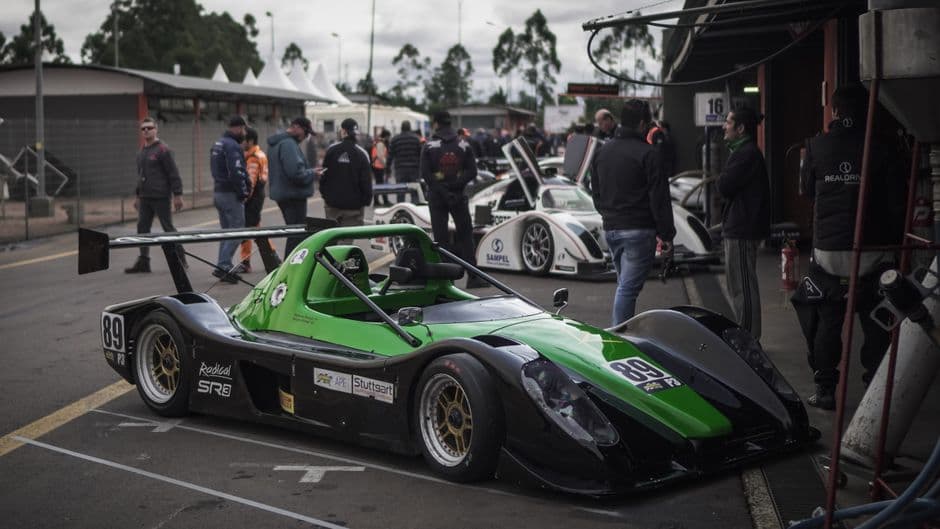
What to bring besides the car
A tire pressure gauge and a small air source are worth more than almost anything else in the trunk, since you'll be adjusting pressures between sessions all day. Bring basic tools, a torque wrench, spare fluids, and any safety gear your run group requires, helmet included, since borrowed gear at the gate is never guaranteed to fit or be available.
A cooler, sunscreen, and a folding chair sound unrelated to car prep, but a driver who's dehydrated and overheated by the third session makes worse decisions than a tired car does. Track days run long. Plan for the whole day, not just the fast parts.
Log what you changed, because track day prep isn't one-and-done
The pressures that worked, the pad compound you ran, what you torqued and when, all of it is useful again at the next event, and useless if it only lives in your memory. A build log that tracks these details alongside your regular maintenance means you show up to the next track day already knowing your baseline instead of relearning it from scratch.
If you're building a project car around track days specifically, Wheelscribe's build tracking keeps that history in one place instead of scattered across notes apps and old texts. Our guide to documenting car modifications covers the same idea for the mods themselves, and Tire Rack's track day tire guide is worth a read before your first event if tires are new territory. Logging is free for one car, so there's no reason to start your build log after the fact.
Frequently asked questions
What should I check on my car before a track day?
Tires (tread and pressure), brake pads and fluid, oil and coolant levels, battery security, and wheel lug torque are the essentials. Do the real check a few days out so you have time to source parts, then a quick confirmation walkaround the morning of the event.
What tire pressure should I run at a track day?
There's no single right number since it depends on the tire, car, and track, but a common starting point is a few PSI below your street pressure, checked hot after your first session. Log what worked so you're not guessing again next time.
Will my car pass tech inspection?
Most inspections check tire tread and sidewalls, brake condition, lug nut torque, fluid levels, battery security, and functioning safety equipment like seatbelts. Loose interior items like floor mats are a common surprise fail, so clear the cabin before you get in line.
Do I need to change my brake fluid before track days?
If it's been more than a couple of years, yes. Track heat can boil moisture-contaminated brake fluid and turn a firm pedal soft mid-session, which is a bigger problem on track than it is on the street.
What should I bring to a track day besides the car?
A tire pressure gauge and small air source, basic tools and a torque wrench, spare fluids, any required safety gear, and enough food, water, and shade to get through a long day without your own fatigue becoming the risk.
Start logging your car's history
One car, unlimited entries, free forever. See pricing for what Pro adds.
Create free account