
Transmission Maintenance: Fluid & Intervals
Transmission maintenance comes down to fluid condition and change intervals. How often to service it by type, and the warning signs worth catching early.
What transmission maintenance actually covers
Transmission maintenance comes down to one thing more than any other: keeping the fluid in good condition and swapping it out before it breaks down. That fluid lubricates the internal parts, carries the hydraulic pressure that shifts the gears, and cools the unit, all at once. On an automatic or CVT, that's basically the whole job along with the filter, since there's no longer list of spark plugs, belts, and hoses like the engine has. A manual gearbox is even simpler, just the gear oil, but skipping it wears the synchros the same way old automatic fluid wears out clutch packs.
Auto transmission maintenance gets skipped far more often than oil changes, mostly because there's no dashboard light for it and no sticker on the windshield reminding you. That's exactly why it belongs in whatever car maintenance log you're already keeping, right next to oil changes. The interval is measured in years, not months, which makes it the easiest one to lose track of.
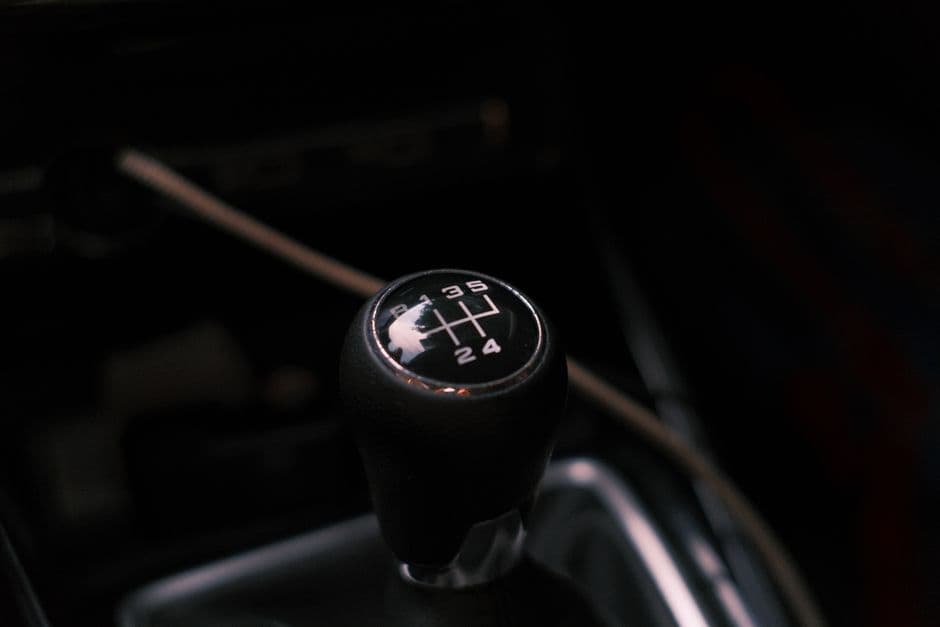
How often to change transmission fluid, by type
The honest answer is check your owner's manual, since intervals vary by manufacturer and by whether the transmission is factory-rated for “lifetime fluid,” which in practice usually still means around 100,000 miles under normal driving, not actually forever. As a rough baseline: automatic transmission fluid typically wants changing every 30,000 to 60,000 miles, manual transmission fluid on a similar 30,000 to 60,000 mile cycle, and CVT fluid sooner, every 25,000 to 50,000 miles, since it works harder than standard automatic fluid and isn't interchangeable with it.
Towing, stop-and-go traffic, mountain driving, and hot climates all count as severe service, and every one of those intervals should be cut roughly in half under those conditions. If you tow a trailer or spend most of your miles in city traffic, use the severe schedule even when the manual doesn't spell out your exact situation, the same way manufacturers handle severe-service brake and coolant intervals.
Warning signs your transmission needs attention
Rough or delayed shifts, a hard clunk when it drops into gear from park, a burnt smell from the fluid, or fluid that's turned dark brown or black instead of red or amber are the earliest and cheapest signs to catch. Catch it there and you're looking at a fluid change. Ignore it long enough and a $150 service turns into a multi-thousand-dollar rebuild.
Slipping, where the engine revs up without the car accelerating to match, or the transmission dropping into neutral on its own, are late-stage signs, and they mean damage has already started. A fluid change alone often won't fix either one at that point, so get it inspected before driving much further.
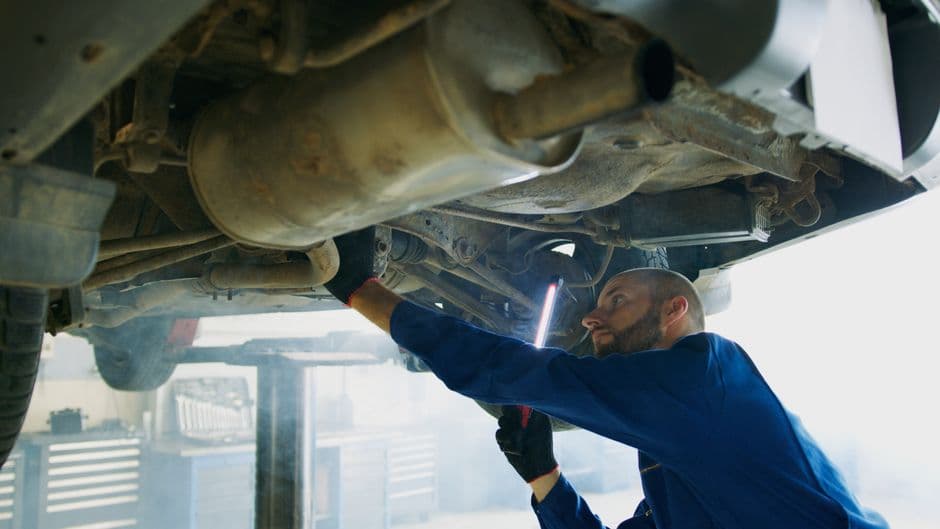
Fluid change vs. flush: what's actually different
A drain-and-fill only replaces the fluid sitting in the pan, usually 40 to 60 percent of the total, and leaves the rest in the torque converter and cooler lines. A flush uses a machine to push new fluid through the entire system and replaces closer to 100 percent of it in one visit.
For a transmission with a long, uneventful history, a straight fluid change is the safer, cheaper option most manufacturers actually recommend. A flush pushes fresh fluid through worn seals and clutch packs at pressure, which occasionally dislodges debris and surfaces a problem that hadn't shown up yet, so it's a poor first move on a transmission that's already high-mileage or already showing symptoms.
What to log every time you service the transmission
Record the fluid type and spec exactly as the manual calls for. Automatic transmission fluid isn't interchangeable across types (Dexron, Mercon, ATF+4, and CVT fluid are all different chemistry), and using the wrong one causes the same slipping and rough-shifting symptoms as skipping the service altogether. Log the mileage, the date, and whether it was a drain-and-fill or a full flush.
That detail is where Wheelscribe's entry form earns its keep over a generic notebook: the parts field holds the exact fluid spec right next to the mileage it was done at, so the next time you or a shop touches the transmission there's no guessing which fluid is already in it.
Cost, and whether it's a realistic DIY job
A basic fluid and filter change runs $150 to $400 at a shop depending on the vehicle, more for a full flush. Doing it yourself brings the parts cost down to $50 to $150, but pan-drop transmissions, which cover most CVTs and some automatics, need the fluid level set exactly right with the engine running and the fluid at operating temperature, which is easy to get wrong without the manufacturer's specific procedure.
If you're comfortable working under the car and have the right tools, it's a reasonable weekend job on most conventional automatics and manuals. CVTs and dual-clutch transmissions are worth leaving to a shop with the manufacturer's fill procedure, since overfilling or underfilling either one causes real damage, not just a mess. According to the Car Care Council, transmission problems traced back to deferred fluid service are among the most expensive repairs a driver can avoid. The FTC's auto repair guidance is also worth a read before authorizing a flush you didn't ask for. Either way, log the service the same day so the next interval calculates off real mileage instead of a guess.
Frequently asked questions
How often should automatic transmission fluid be changed?
Most manufacturers call for automatic transmission fluid every 30,000 to 60,000 miles under normal driving, though some lifetime-fluid transmissions stretch that to around 100,000. Cut the interval roughly in half if you tow, drive mostly stop-and-go traffic, or live somewhere hot.
Does a CVT need transmission fluid changes?
Yes, and often sooner than a conventional automatic, typically every 25,000 to 50,000 miles. CVT fluid is a different chemistry from standard automatic transmission fluid and isn't interchangeable, so always use what the owner's manual specifies.
What color should transmission fluid be?
Fresh fluid is red or amber and translucent. Dark brown or black fluid, or fluid with a burnt smell, means it's overdue and has likely already started breaking down the parts it's supposed to protect.
Is a transmission flush better than a fluid change?
Not always. A flush replaces more of the fluid but pushes it through worn seals and clutch packs at pressure, which can surface a problem on a high-mileage or already-symptomatic transmission. A straight drain-and-fill is the safer default for most cars.
How much does a transmission fluid change cost?
Expect $150 to $400 at a shop for a standard drain-and-fill and filter, more for a full flush. Parts alone for a DIY job typically run $50 to $150, though some CVTs need a precise fill procedure that's easier to leave to a shop.
What are the earliest signs of a transmission problem?
Rough or delayed shifts, a hard clunk into gear, and dark or burnt-smelling fluid are the earliest, cheapest-to-catch signs. Slipping or shifting into neutral on its own means damage has already started.
Start logging your car's history
One car, unlimited entries, free forever. See pricing for what Pro adds.
Create free account