
Forced Induction Maintenance Guide
A forced induction maintenance guide: oil intervals, catch cans, boost leaks, intercoolers, and break-in after a turbo or supercharger install.
What forced induction maintenance changes about your service schedule
Bolt on a turbocharger or supercharger and the maintenance clock on your engine resets to something more aggressive than what's in the owner's manual. Forced induction maintenance means shorter oil intervals, more frequent checks on parts that didn't exist on the naturally aspirated version of your engine, and a lot less tolerance for skipped steps, because everything involved runs hotter and under more pressure than stock. None of this is optional if you want the turbo or supercharger to still be alive in two years.
The upgrade adds a second, faster wear clock running underneath your car's regular service schedule. The good news is that none of it is complicated, it just has to happen on schedule instead of whenever you remember. If you already track this stuff, you're the reader Wheelscribe's enthusiasts page is written for.
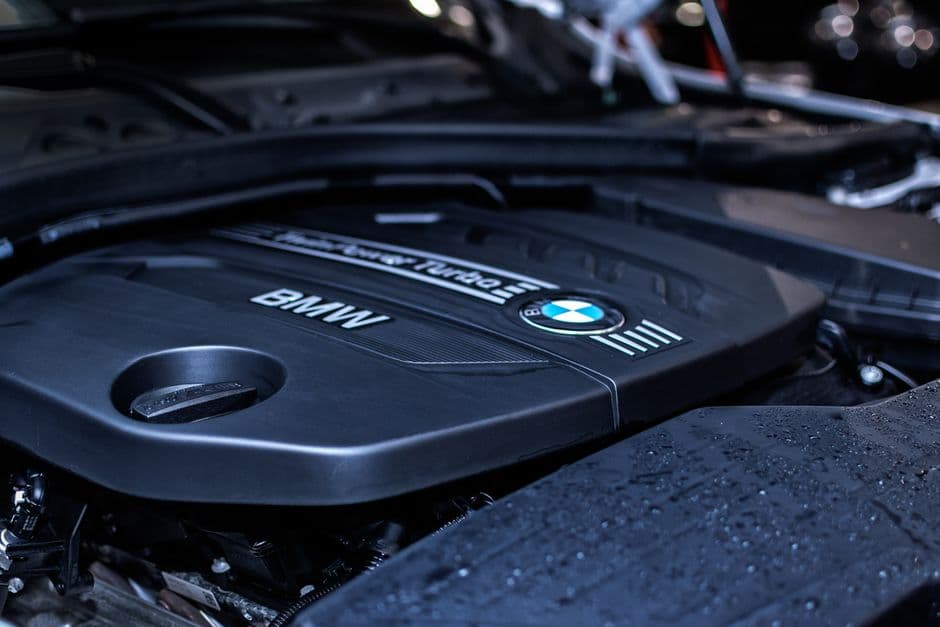
Shorten your oil change interval
The single biggest maintenance change after adding forced induction is oil life. A turbocharger spins on a thin film of oil at speeds that can top 100,000 RPM, and that same oil carries heat away from a housing sitting inches from the exhaust manifold. Superchargers are gentler on oil since most designs don't sit in the exhaust stream, but the extra cylinder pressure and heat still load the oil harder than stock.
A reasonable rule of thumb: cut whatever interval your factory turbo engine calls for by 30 to 40 percent, and treat any interval past 5,000 miles or six months as an experiment, not a plan. Garrett Motion's own guidance on turbo oil backs this up: use a full synthetic rated for your engine's spec, since it holds up to heat and shear far better than conventional oil.
Oil catch can maintenance: what to check and how often
An oil catch can sits inline on the crankcase ventilation system and traps the oil vapor that blow-by pushes toward the intake, before it can coat the intercooler piping and, on direct-injection engines, the intake valves. It only helps if you actually empty it.
Check the can every 1,500 to 3,000 miles and drain it sooner if it's already half full or the contents look milky, which is condensation mixing with oil and happens faster in cold weather. A catch can that overflows back into the intake defeats its own purpose, so for the first few months, check it more often than you think you need to, until you know how fast yours actually fills.
Boost leak checks: what to test after any install or tune
A boost leak is any spot where pressurized air escapes the intake tract between the turbo or supercharger and the engine, and it shows up as flat power, a check engine light, or boost that won't hold steady. Check every clamp, coupler, and vacuum line after the first few heat cycles following an install, since parts seat and hoses relax once they've been through a full heat-up and cool-down.
The simplest test: cap the intake opening, pressurize the system with shop air or a hand pump to a few PSI, then listen for hissing or spray soapy water and watch for bubbles at every joint. Do this with the engine off and the oil fill cap removed from the loop, since pressurizing a running engine's crankcase side can blow a seal.
Intercooler inspection: what actually fails
An intercooler cools compressed air before it reaches the cylinders, and it takes abuse a stock airbox never sees: heat cycling, road debris, and the extra pressure of a bigger turbo or a hotter tune. Inspect the end tanks first, since that's where plastic units crack near the seam where they're crimped to the aluminum core, and check the core itself for bent fins, oil residue (a sign of a failing turbo seal upstream), or dents from road debris.
On an aftermarket kit, recheck every clamp on the charge piping a few weeks after install, since silicone couplers and stock-style clamps can loosen once the system has been through its first real heat cycles. A cracked end tank or a popped coupler is one of the most common causes of a sudden loss of boost.
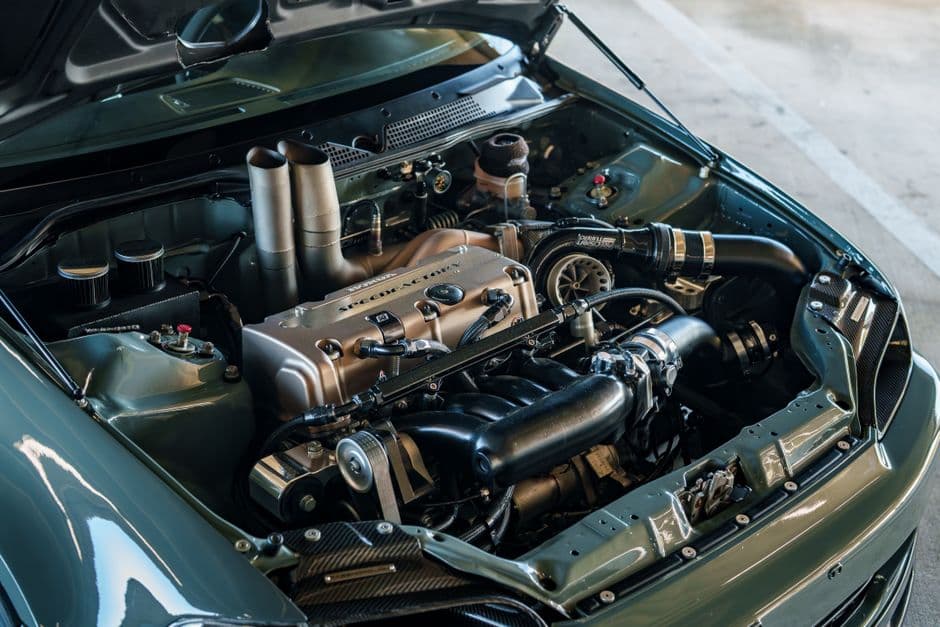
Spark plug heat range and watching for knock
Forced induction raises cylinder pressure and combustion temperature, exactly the conditions that cause detonation, so most stock spark plugs aren't built for it. A common starting point, per OnAllCylinders' heat range guide, is one heat range colder for roughly every 75 to 100 horsepower added, though your tuner or the plug manufacturer's application chart is a better source than a general rule of thumb.
Watch and listen for knock too: a metallic pinging or rattling under load, often paired with a pulled-timing warning on a tuning laptop or a rougher idle afterward. Knock means the tune, fuel, or plugs are wrong for the boost level, and driving through it can hole a piston. If you hear it, back off the throttle immediately and get the tune or hardware checked before you drive it hard again.
The break-in period after a turbo or supercharger install
Reputable turbo manufacturers don't call for a formal break-in the way a rebuilt engine needs one: a turbo is a spinning bearing, not a set of rings that need to seat. What it does need is a careful first start: pre-oil the bearing if it sat dry for any length of time, idle it until oil pressure and temperature come up before asking for boost, and avoid holding it at high RPM and full load on the first drive so you can watch for leaks and unusual noise.
After hard driving, especially in the first few weeks, give the engine a minute or two of idle before shutdown so oil keeps circulating through a hot turbo housing instead of coking around the bearing while everything's off. Superchargers skip most of this since they don't share a housing with the exhaust, but a fresh belt and pulley setup still deserves a check after the first heat cycle.
Why logging the install matters for warranty and resale
A forced induction upgrade is exactly the kind of modification that needs a paper trail, because it's also exactly the kind of modification that makes a warranty claim or a resale conversation harder without one. If anything covered by a manufacturer or aftermarket warranty fails later, having the install date, the shop or parts used, and every oil change and inspection since all logged in one place is what separates “documented mod” from “unknown mystery build.”
It matters for resale too: a boosted car with a complete build history and maintenance record sells faster, and for more, than the same car with a story and no proof. Our guide to beginner car upgrades covers where forced induction usually lands in a build order, and Wheelscribe's features give you one place to attach the install invoice, dyno sheet, and every service after it to the car's log, instead of scattered texts and folders. It's free to start.
Frequently asked questions
How often should I change oil after a turbo or supercharger install?
Plan on cutting your factory interval by roughly 30 to 40 percent, since forced induction loads the oil harder with extra heat and pressure. A common target is 5,000 miles or six months, whichever comes first, using a full synthetic rated for your engine.
What does an oil catch can do and how often do I need to empty it?
It traps oil vapor from crankcase ventilation before it can coat your intercooler piping or intake valves. Check it every 1,500 to 3,000 miles and empty it sooner if it's half full or looks milky, since colder weather fills it faster with condensation.
How do I check for a boost leak?
Cap the intake opening, pressurize the system to a few PSI with shop air or a hand pump, and listen or spray soapy water at every clamp and coupler. Do this with the engine off and the oil cap removed, since pressurizing a running engine's crankcase can blow a seal.
What should I look for when inspecting an intercooler?
Check the end tanks first, since plastic ones crack near the seam where they meet the aluminum core, then check the core for bent fins, dents, or oil residue. Recheck every clamp on aftermarket charge piping a few weeks after install, since couplers loosen after the first real heat cycles.
Do I need different spark plugs after adding a turbo or supercharger?
Usually, yes. Most setups need spark plugs one or more heat ranges colder than stock, roughly one step per 75 to 100 horsepower added, to avoid detonation, though your tuner or the plug manufacturer's chart should have the final say.
What does engine knock sound like and what should I do about it?
Knock sounds like a metallic pinging or rattling under load, sometimes paired with a pulled-timing warning or a rougher idle. Back off the throttle immediately if you hear it and have the tune, fuel, or plugs checked before driving it hard again, since it can hole a piston.
Is there a break-in period after installing a turbo or supercharger?
Not a formal one. A turbo just needs a careful first start, pre-oiled and idled up to temperature before boost, plus a minute or two of cool-down idle after hard driving for the first few weeks, rather than a mileage-based break-in schedule.
Does logging a forced induction install affect resale value?
Yes. A boosted car with a documented install date, parts list, and maintenance history since sells faster and for more than one with an unverifiable story, and it also makes any warranty claim far easier to support.
Start logging your car's history
One car, unlimited entries, free forever. See pricing for what Pro adds.
Create free account