
Vehicle Title and Registration Records
What vehicle title and registration records to keep, how to avoid a lapsed renewal, and what to do about a lost title before you need it.
Why title and registration records matter beyond the glovebox
Vehicle title and registration records prove one specific thing: that you legally own the car and that it's currently allowed on the road. Most owners treat these documents as glovebox clutter until the moment they need one urgently, usually while selling the car, dealing with a lapsed registration, or replacing a title that got lost years ago.
Unlike a maintenance record, these documents aren't optional paperwork you can reconstruct from memory. A missing title or an expired registration is a real roadblock, not an inconvenience, and both are far easier to prevent than to fix after the fact.
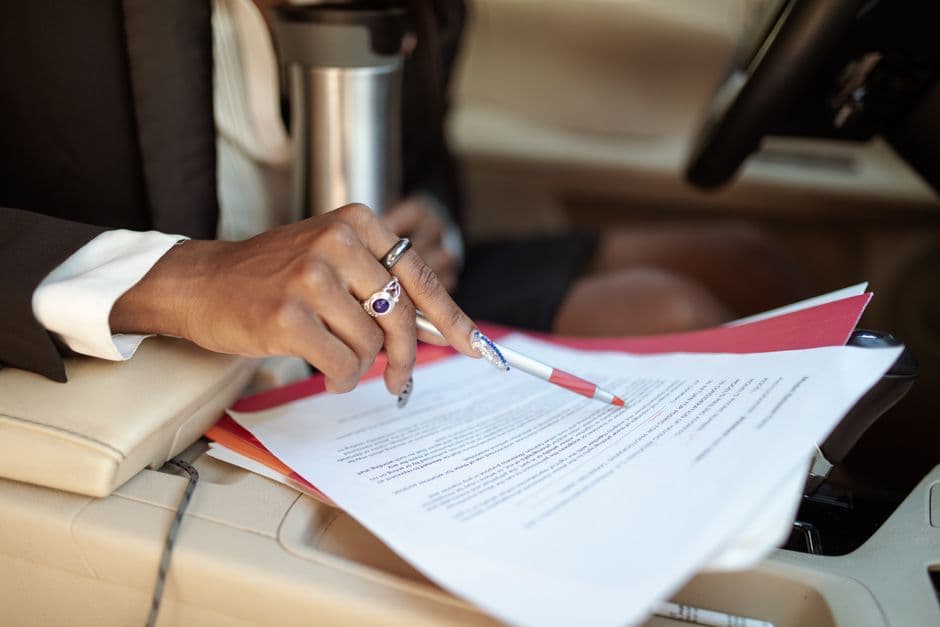
What documents to actually keep
The vehicle title itself is the core document, since it's the legal proof of ownership. Alongside it, keep your current registration card, the bill of sale from when you bought the car, and, if it was financed, the lien release showing the loan is paid off and the lender no longer has a claim on the title.
If the car was ever titled in another state, hang onto that out-of-state title too, since some DMVs ask for it during a later re-registration even after the car has a current title in your state. A photo of each document, stored somewhere other than the glovebox, is worth having even if you keep the originals in the car.
Registration renewal: avoiding late fees and lapses
Registration renewal dates are easy to miss because they only come around once a year and rarely land on a date that means anything to you otherwise. A lapsed registration usually comes with a late fee, and depending on your state, driving on an expired registration can also mean a ticket if you get pulled over for something unrelated. Rules and renewal windows vary enough by state that it's worth confirming the specifics through your state's DMV or motor vehicle agency rather than assuming they match a car you registered somewhere else.
Wheelscribe's date-based reminders can flag a renewal a few weeks out, the same way they handle a due date for service, so it's one less annual deadline you have to remember on your own.

Replacing a lost title
A lost title is fixable, but it's a process, not a same-day errand. Most states require an application for a duplicate title through your DMV, a fee, and sometimes a waiting period before the replacement is issued, longer if there's an active lien or a name discrepancy to sort out first.
If you're trying to sell the car and only discover the title is missing at that point, plan for the replacement to take real time. Starting the duplicate title application before you list the car avoids losing a buyer who isn't willing to wait weeks to close.
Title records when buying or selling
A clean title history, one clear owner-to-owner transfer with no gaps, is worth pointing out to a buyer directly, since it removes a common source of hesitation. Our guide on how maintenance records increase resale value covers the service-history side of that same trust-building case.
Buying a used car works the other direction: verify the title matches the VIN on the car itself and that the seller's name matches the title before you hand over money. Our guide to checking a used car's maintenance history walks through the rest of what to ask for.
Keeping it all in one place
Title, registration, and service records tend to end up scattered across a glovebox, an email inbox, and a drawer somewhere, which is exactly how a document goes missing for years without anyone noticing. Keeping a photo of each attached to the car's record means it's findable the moment you actually need it.
Wheelscribe's entry form attaches a photo directly to the car it belongs to, right alongside every maintenance entry. It's free to start with one car if the title is currently living in a drawer you'd rather not dig through again.
Frequently asked questions
What vehicle documents should I keep besides the title?
Your current registration card, the bill of sale from purchase, and a lien release if the car was financed and the loan is paid off. If it was ever titled in another state, keep that title too.
What happens if I let my car registration lapse?
Most states charge a late fee once registration expires, and depending on your state, driving on an expired registration can also result in a ticket if you're pulled over for anything else.
How do I replace a lost car title?
Apply for a duplicate title through your state's DMV, along with a fee and sometimes a waiting period, longer if there's an active lien or a name discrepancy to resolve first. It's not a same-day process, so start early if you're planning to sell.
What should I check on a title before buying a used car?
Confirm the VIN on the title matches the VIN on the car itself, and that the seller's name on the title matches who's selling it to you. A clean transfer history with no gaps is also worth asking about.
Does registration renewal timing vary by state?
Yes. Some states renew annually, others every two years, and the renewal window and grace period both vary. Check your state DMV's site for the exact rule rather than assuming it matches a previous state you've registered a car in.
Start logging your car's history
One car, unlimited entries, free forever. See pricing for what Pro adds.
Create free account