
Windshield Chip and Crack Maintenance
A windshield chip and crack maintenance guide covering DIY repair kits, when a chip needs a shop instead, ADAS calibration, and how to stop chips from spreading.
What windshield chip and crack maintenance covers
Windshield chip and crack maintenance is mostly a timing problem, not a skill problem. A fresh rock chip smaller than a quarter is often a five-minute DIY fix with a resin kit from any parts store, but the same chip left alone for a few weeks of hot days and cold nights can spread into a crack that runs the width of the glass. The maintenance part isn't complicated, it's just easy to put off.
Knowing which damage you can fix yourself, which needs a shop, and which means a full replacement saves both money and a wasted trip. It also matters more than it used to, since a lot of newer cars have a camera mounted right behind the glass that needs its own attention after any windshield work.

Chip or crack: when you can fix it yourself
Per Safelite's repair-versus-replace guide, a chip smaller than a quarter with no cracks running out from it, and not sitting directly in your line of sight, is almost always repairable. Three or fewer chips, all under six inches, is the general cutoff before a shop starts recommending replacement instead.
A crack that's already reached a few inches long, damage over a sensor or camera mount, or a chip that's penetrated both layers of the laminated glass all point toward replacement rather than repair. When in doubt, a chip is worth getting looked at within a day or two rather than waiting to see how it behaves.
How to repair a small chip yourself
A basic DIY kit works by injecting resin into the chip under pressure, then curing it with UV light, which stops air and moisture from spreading the damage further. Clean the glass first, keep the car out of direct sun while you work so the resin doesn't cure too fast, and follow the kit's specific injection and cure times closely.
The result won't be invisible, expect a faint mark where the chip used to be, but a proper repair stops the spread and restores most of the glass's structural strength. That's the actual goal: a repaired chip almost never needs a full replacement later, while an ignored one usually does.
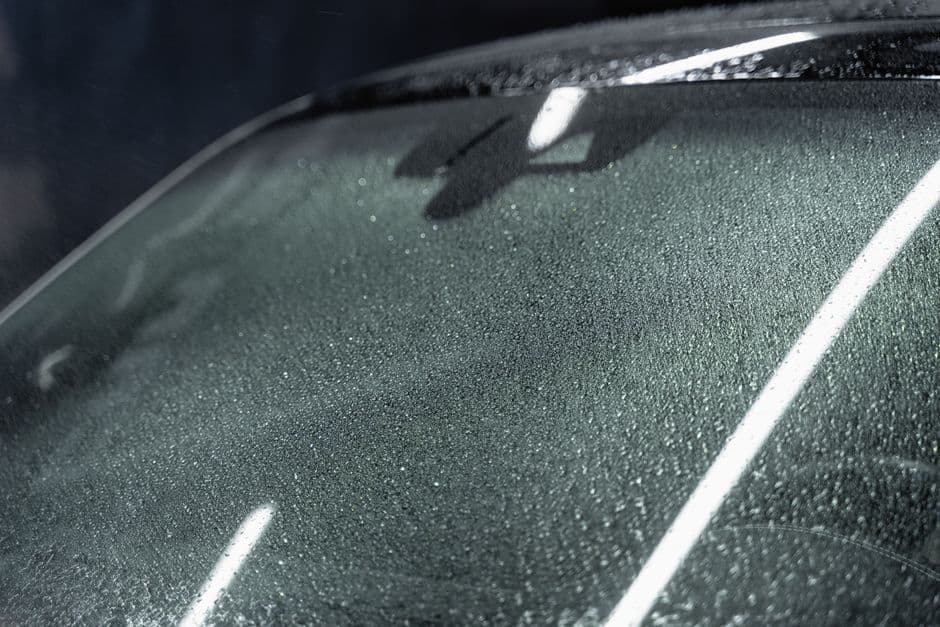
Why chips turn into cracks
Temperature swings do most of the damage. Glass expands and contracts with heat, and a chip is a weak point where that stress concentrates, so a hot day followed by a blast of cold AC, or a cold morning followed by hot defrost air, can turn a stable chip into a spreading crack within minutes.
Potholes, slammed doors, and even a car wash's high-pressure water can push a chip further along too. None of that means you need to baby the car, it just means a chip you're planning to repair is worth repairing soon rather than waiting for a convenient weekend.
The ADAS calibration wrinkle on newer cars
If your car has lane departure warning, adaptive cruise control, or automatic emergency braking, there's a good chance a camera is mounted right behind the windshield. Per Safelite's ADAS recalibration guide, nearly every automaker requires that camera to be recalibrated after a windshield replacement, since new glass can have a slightly different thickness or curvature that throws off what the camera sees.
Skipping calibration doesn't just leave a warning light on, it can mean the safety systems are reading the road slightly wrong. A repaired chip doesn't trigger this, it's only a full replacement that requires the extra step, so that's one more reason to repair a small chip while you still can.
Preventing rock chips before they happen
Following trucks and gravel trucks at a distance is the single biggest thing you can do, since most chips come from debris kicked up by the vehicle ahead of you, not from oncoming traffic. Replacing worn wiper blades matters too, since a dry or cracked wiper dragging grit across the glass causes the fine surface scratches that make future chips spread faster.
None of this eliminates chips entirely, highway driving means it's going to happen eventually, but it cuts down how often, and it buys you a cleaner windshield in the meantime.
Log it so the next owner knows
A repaired chip or a replaced windshield with documented ADAS calibration is worth recording the same way you'd record any other maintenance item. It answers a buyer's question before they ask it, and it saves you from wondering later whether that camera was ever recalibrated.
Wheelscribe keeps repairs like this attached to the car for good, right alongside service records for everything else, and it's free to start.
Frequently asked questions
Can I repair a windshield chip myself?
Yes, if it's smaller than a quarter, has no cracks radiating from it, and isn't directly in your line of sight. A basic DIY resin kit injects filler into the chip and cures it with UV light, which stops the damage from spreading further.
When does a windshield need replacement instead of repair?
Once a crack reaches a few inches long, damage sits over a sensor or camera, a chip has penetrated both layers of the laminated glass, or you have more than three chips, replacement is the safer call over a repair.
Why did my windshield chip turn into a crack overnight?
Temperature swings are the usual cause. Glass expands and contracts with heat, and a chip is a weak point where that stress concentrates, so hot-to-cold shifts like blasting the AC or defroster can push a stable chip into a spreading crack quickly.
Do I need ADAS calibration after a windshield chip repair?
No, calibration is only required after a full windshield replacement, not a repair. It's needed because most automakers mount a forward-facing camera behind the glass, and new glass can have a slightly different curvature that throws off what the camera reads.
How can I prevent windshield chips?
Keep more distance behind trucks and gravel trucks, since most chips come from debris they kick up. Worn wiper blades also drag grit across the glass and create fine scratches that make future chips more likely to spread.
Start logging your car's history
One car, unlimited entries, free forever. See pricing for what Pro adds.
Create free account