
100k-Mile & Seasonal Car Maintenance
The 100,000-mile car maintenance milestone plus spring and summer seasonal checklists: the occasional jobs that are easiest to forget and costliest to skip.
The maintenance you only hit once in a while
Oil changes are easy to remember because they come up constantly. The jobs that bite people are the rare ones: the big mileage milestones like 100,000-mile car maintenance, and the seasonal prep that only makes sense twice a year. Both share the same weakness, which is that the interval is so long you forget the item exists until something fails.
This guide covers the occasional stuff worth putting on a calendar: what actually comes due around 100,000 miles, what to check when winter ends and summer arrives, and how to keep any of it from slipping through the cracks. None of it is complicated. It just lives in the blind spot between “every oil change” and “never,” which is exactly where expensive surprises hide.
The 100,000-mile service: what comes due
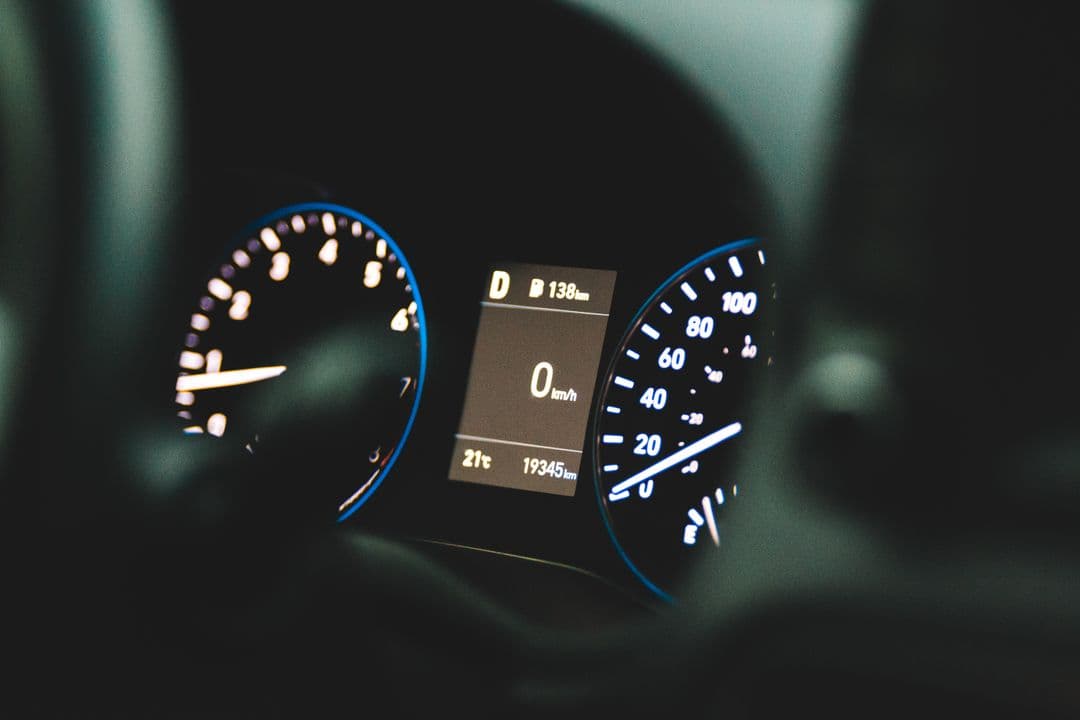
The 100,000-mile mark is where several long-interval items land at once, which is why it feels like a big service. Spark plugs on most modern engines are due here if they weren't done earlier. Engine coolant on long-life formulas needs its first change around now. If your car has a timing belt rather than a chain, this is the window to replace it along with the water pump, and skipping it is how an interference engine destroys itself. Transmission fluid, even the “lifetime” kind, benefits from a change at this point.
Add a real inspection of the suspension, brakes, hoses, and belts, because a six-figure odometer means original struts and rubber are near the end. None of these are emergencies on their own, but they cluster here for a reason. Budget for the 100k service the way you'd budget for new tires: predictable, not fun, and cheaper than the failure it prevents.
Past 100k: the every-few-years items
After 100,000 miles a car isn't worn out, but it does shift from “set it and forget it” into a car that rewards attention. Fluids that were lifetime items become periodic: differential and transfer-case fluid on all-wheel-drive vehicles, brake fluid every couple of years, and coolant on its second cycle. Rubber parts fail on age as much as mileage now, so serpentine belts, motor mounts, and suspension bushings move onto the watch list.
The mindset that keeps a high-mileage car reliable is watching for small changes: a new noise, a slightly softer brake pedal, a fluid that's darker than last time. A documented history makes those trends visible, which is the difference between fixing a weeping water pump on a Saturday and getting towed on a Tuesday. Cars regularly reach 200,000-plus miles now, and the ones that do are almost always the ones with records.
Spring car maintenance checklist
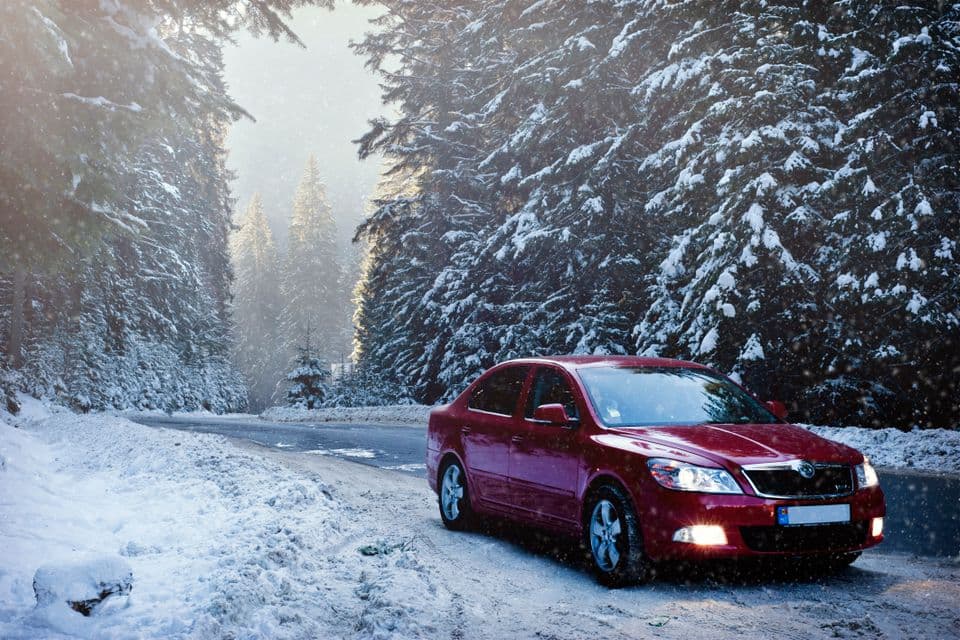
Spring is about undoing winter. Salt, potholes, and cold do quiet damage, so start with a wash that includes the undercarriage to clear road salt before it rusts things. Check the tires: cold months drop pressure and chew up tread, and if you ran winter tires, now's the swap back. Look at the wiper blades and top up washer fluid, since winter shreds both. Inspect the brakes for salt corrosion and the battery, which takes a beating in the cold and may be near the end of its life come spring.
It's also a sensible time for an alignment check if you met any serious potholes, and to look under the car for anything winter loosened or cracked. A spring once-over takes twenty minutes and sets the car up for the harder season ahead, because heat is tougher on a car than cold.
Summer car maintenance for the heat
Heat is what actually strands cars, so summer maintenance centers on the cooling system and tires. Check the coolant level and condition, and glance at the hoses for soft or bulging spots, because an overheat on a 95-degree highway is a today problem. Hot pavement raises tire pressure and punishes worn or under-inflated tires, which is why blowouts spike in summer. Make sure the AC actually blows cold, and if it doesn't, it's a leak worth diagnosing rather than an annual recharge habit.
Battery heat is the sneaky one: summer kills more batteries than winter does, it just hides the damage until the first cold morning. If yours is over three years old, test it now. For the full cooling picture, the AC and cooling system guide covers what to watch and what the warning signs mean.
How to never miss the occasional stuff
Rare jobs need a system, because memory doesn't work at yearly intervals. Nobody recalls whether the coolant was done at the last 100k or the one before, or which spring they last swapped the wiper blades. The fix is boring and it works: write down every service with its date and mileage, so the long-interval items show up as history instead of guesswork. The NHTSA tire and equipment guidance is a good neutral reference for the seasonal tire checks.
Wheelscribe keeps every entry with its date, mileage, parts, and receipt photo in one timeline per car, so “did I ever change the timing belt” is a search, not a gamble. Pair it with a plain take on maintenance intervals, and the free plan covers one car with unlimited entries to start.
Frequently asked questions
What maintenance is done at 100,000 miles?
The 100k service usually clusters spark plugs, the first long-life coolant change, a timing belt and water pump if the engine uses a belt, and often a transmission fluid change, plus a full inspection of brakes, suspension, hoses, and belts. Several long-interval items simply come due at once.
Is 100,000 miles bad for a car?
No. Modern cars routinely pass 200,000 miles with normal maintenance. Hitting 100k just marks the point where several long-interval services come due and age-related rubber parts start to matter. A well-documented car at 100k can easily have its best years ahead.
What should be on a spring car maintenance checklist?
Wash the undercarriage to remove road salt, check tire pressure and tread or swap off winter tires, replace worn wipers and refill washer fluid, inspect brakes for salt corrosion, and test the battery after the cold season. Add an alignment check if you hit winter potholes.
What car maintenance is important in summer?
Focus on the cooling system and tires. Check coolant level and hoses, confirm the AC blows cold, and watch tire pressure since heat raises it and worn tires blow out on hot pavement. Test a battery over three years old, because summer heat kills more batteries than winter cold.
How do I keep track of maintenance that only happens every few years?
Log every service with its date and mileage so long-interval items appear as history rather than memory. Timing belts, coolant flushes, and seasonal tire swaps are easy to forget precisely because they come up rarely, so a written record is what prevents missed or doubled-up work.
Start logging your car's history
One car, unlimited entries, free forever. See pricing for what Pro adds.
Create free account