
Body Kit & Aero Modifications Guide
A practical guide to body kit and aero modifications: what splitters and spoilers actually do, fitment basics, and what to log for resale.
What body kit and aero modifications actually change
A body kit usually means a new front bumper, rear bumper, and side skirts, sometimes with a spoiler or diffuser thrown in, all aimed at reshaping the car's silhouette. Aero modifications overlap with that same parts list, but the goal shifts from looks to airflow: reducing drag, adding downforce, or both, depending on how the parts are designed and matched to each other.
For most street cars, that distinction matters less than it sounds. A splitter or spoiler on a car driven under highway speeds is doing more for the look than the lap time, and there's nothing wrong with that. Just go in knowing which one you're buying, since a kit priced and marketed as functional aero costs a lot more than one that's purely cosmetic.
Splitters, spoilers, and side skirts: what each one does
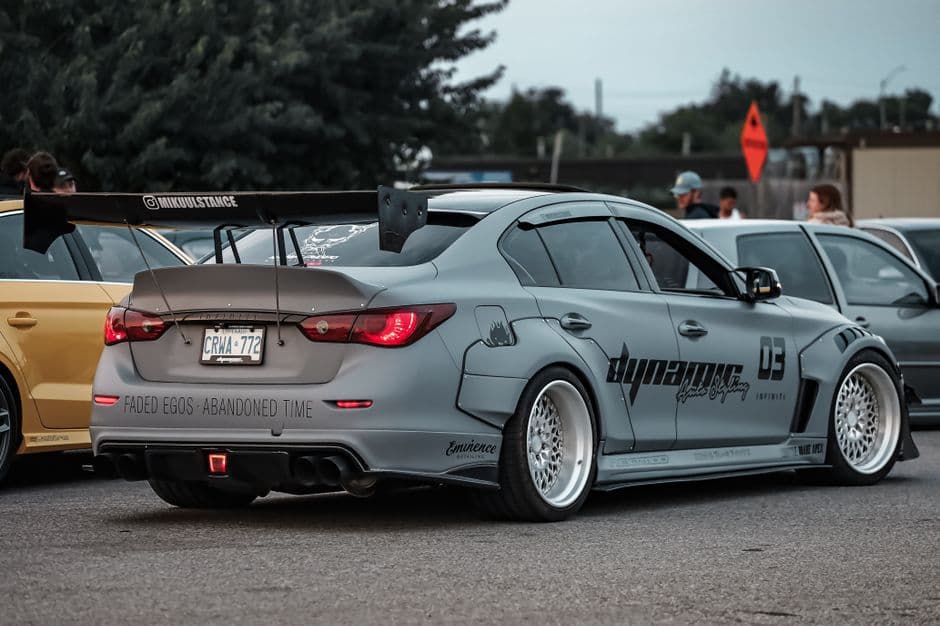
A front splitter extends the bottom edge of the front bumper forward and down, increasing front-end grip at speed by managing the air trying to get underneath the car. A rear spoiler works the opposite end, adding downforce over the rear axle or, on some designs, simply cleaning up turbulent airflow coming off the roofline. Side skirts mostly smooth airflow along the rocker panels and tie the front and rear pieces together visually.
None of these work in isolation the way a single upgrade might suggest. A big rear wing without a matching front splitter can push the aero balance rearward and make the front end feel vague at speed, which is why a coordinated kit from one manufacturer usually performs more predictably than mixing parts from three different brands.
Fitment and installation basics that keep a kit looking right
Before anything gets mounted, confirm the kit actually matches your bumper and body style, since even the same model year can have different bumper designs across trims. Dry-fit every piece first and mark mounting points before drilling anything, checking that pre-drilled holes line up somewhere the bumper actually has material to support them.
Bolts with washers and lock nuts hold up better over years of vibration and car washes than self-tapping screws, which tend to loosen and strip the plastic they're threaded into. Panel gaps should be even on both sides before you call the job done; an uneven gap is usually a sign a mounting point shifted during installation and is worth fixing before it becomes a rattle.
DOT and lighting compliance when modifying bumpers
A new front or rear bumper can shift or partially cover factory lighting, fog lights, turn signals, and reflectors, if it isn't designed with cutouts that match your exact trim. Covering or obscuring required lighting isn't just a fitment problem; it's the kind of thing NHTSA's vehicle equipment standards cover, and it's also exactly what a state inspection will flag if your area requires one.
Check that every stock light is still fully visible and unobstructed after installation, and confirm any add-on lighting the kit includes meets your state's rules before you wire it in permanently.
Functional aero versus street-car aesthetics
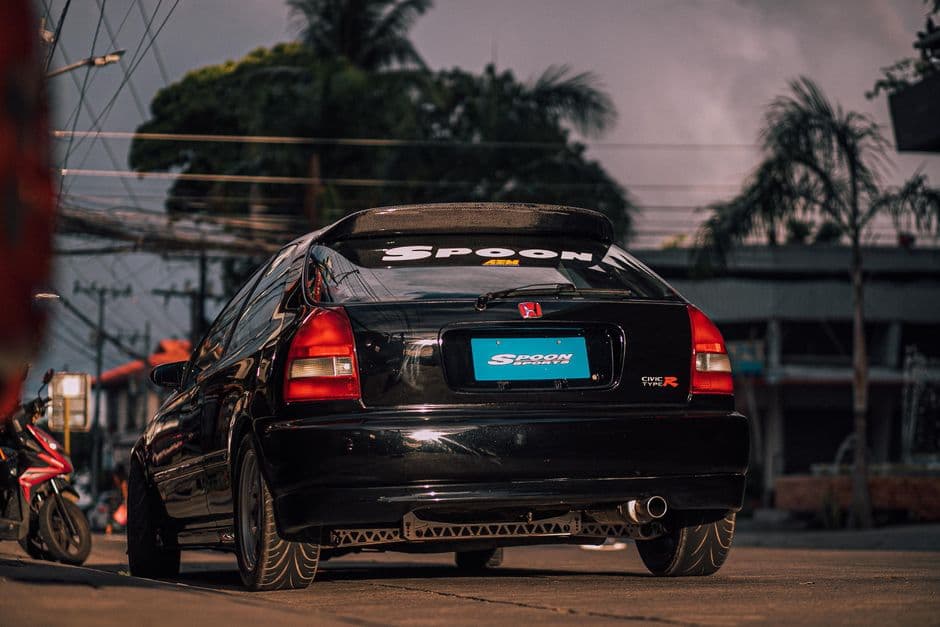
Aerodynamic forces are relatively small at typical street speeds and only become significant well above highway speed, which is exactly why most aftermarket body kits for street cars are built primarily for looks rather than measurable downforce. That's not a knock on them; a kit doesn't need to change lap times to be worth installing.
If you do want real function, whether for track days or just an honest build, look for kits designed and tested as a matched package rather than assembled piece by piece from unrelated brands. Enthusiast outlets like Car and Driver regularly cover which aero packages actually deliver measurable results versus which ones are styling exercises.
What to check after installation
Give every fastener a torque check after the first week of driving, since plastic and fiberglass components settle slightly and bolts can loosen faster than they would on metal panels. Check ground clearance too, especially on a front splitter, before you hit the first steep driveway or speed bump at the wrong angle.
If your car is also lowered or running other exterior upgrades, recheck clearance again after any suspension change, since a splitter that cleared fine on stock height can drag once the car sits lower.
Documenting mods for insurance and resale
A body kit changes what your car is worth, in both directions depending on the buyer, so keeping receipts, part numbers, and installation photos matters more here than for routine maintenance. Some insurers also want documentation of aftermarket parts to properly cover them, which is worth sorting out before an accident forces the conversation.
If you're building the car out over time rather than doing everything at once, our enthusiast build log keeps every part, install date, and photo tied to the car's timeline, the same way the Honda Civic mod community tends to document builds step by step. It's free to start with one car.
Frequently asked questions
Do body kits actually improve a car's performance?
At typical street speeds, aerodynamic forces are relatively small, so most aftermarket body kits are built primarily for looks rather than measurable performance gains. Functional aero effects become significant mainly at higher, track-relevant speeds, and only with parts designed and tested as a matched package.
What's the difference between a body kit and aero modifications?
A body kit typically refers to bumpers, side skirts, and spoilers chosen mainly for appearance. Aero modifications use overlapping parts but are selected and tuned specifically for airflow, drag reduction, or downforce, which usually costs more and requires more careful fitment.
Will a body kit affect my car's headlights or turn signals?
It can, if the kit isn't designed with cutouts matching your exact trim. A new bumper that covers or obscures factory lighting, turn signals, or reflectors can fail a state inspection and raises real visibility and legal concerns, so check that every stock light stays fully visible after installation.
Should I use bolts or self-tapping screws to install a body kit?
Bolts with washers and lock nuts hold up better over years of vibration and car washes. Self-tapping screws tend to loosen over time and strip the plastic they're threaded into, leading to panel gaps and rattles down the road.
Does a body kit increase or decrease a car's resale value?
It depends heavily on the buyer and the quality of the installation. A well-documented, professionally fitted kit from a reputable brand can appeal to the right buyer, while a poorly fitted or heavily modified car can narrow the pool of interested buyers. Keeping receipts and installation records helps either way.
How often should I recheck a body kit after installation?
Check fastener torque after the first week of driving, since plastic and fiberglass panels settle slightly. Recheck ground clearance, especially on a front splitter, after any suspension change, since lowering the car can cause a splitter that cleared fine before to start dragging.
Start logging your car's history
One car, unlimited entries, free forever. See pricing for what Pro adds.
Create free account