
How to Track Your Car Insurance Records
A car insurance record tracking guide covering which documents to keep, why claims history follows you between insurers, and what to check at renewal.
What car insurance records are actually worth keeping
Three things cover most of it: the current declarations page showing your coverage and limits, a dated record of any claim you've filed, and proof of anything that earned a discount, like an anti-theft device or a completed defensive driving course. None of these are maintenance records in the traditional sense, but they live in the same drawer, or the same app, as everything else about the car.
A repair record from an accident is related but distinct: it proves the damage was actually fixed, while the insurance record proves what was covered and paid. Keeping both together is what makes either one useful later.
Why claims history matters more than people think
According to the Insurance Information Institute, most insurers pull a claims history report when you shop for a new policy, and a claim you'd half forgotten about can show up and affect your quote. Keeping your own dated record of what was filed and when means there are no surprises when comparing insurers at renewal.
It also protects you the other direction: if an insurer's records disagree with what actually happened, your own copy of the claim details is what you bring to that conversation.
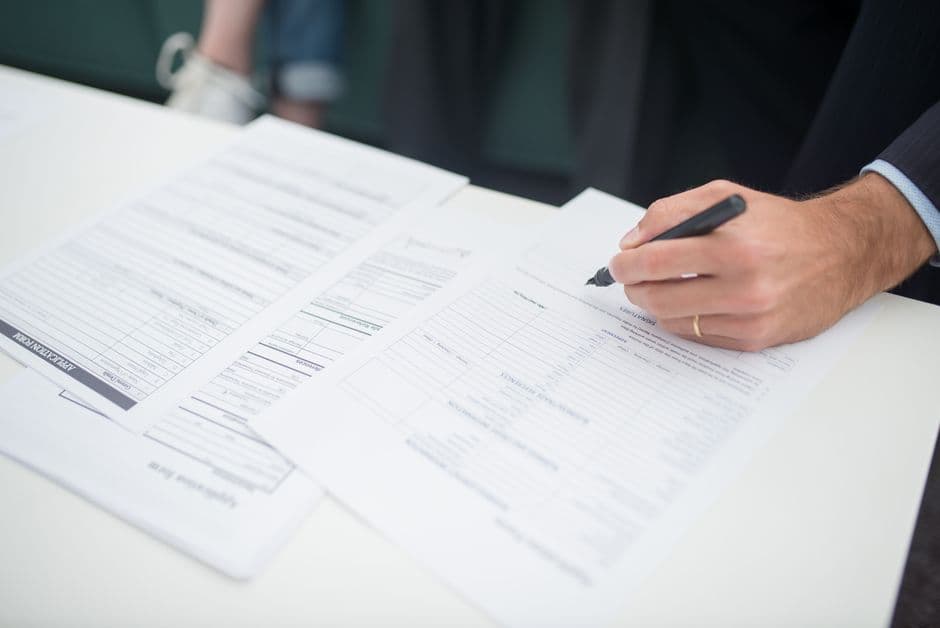
Insurance records and maintenance records overlap more than you'd think
After an accident, the insurance paperwork and the repair documentation answer two different questions that a buyer, or a future insurer, will both eventually ask: what happened, and was it actually fixed properly. Selling the car later is where this pays off most directly, the same way a documented maintenance history increases resale value, a documented claims and repair history removes a buyer's biggest unknown about a car that's been in an accident.
Neither record is useful scattered across old emails and a glovebox folder. Keeping them next to each other, tied to the same car, is what actually makes them worth having months or years later.

What to check at renewal time
Compare this year's coverage and limits against last year's rather than assuming they carried over unchanged. The National Association of Insurance Commissioners notes that even a short lapse in coverage, missed by a few days between policies, can raise future rates, so a dated record of continuous coverage is worth keeping on its own.
If your policy offers a discount tied to actual mileage or safe driving data, having your own driving and maintenance log to check that discount against is a quick way to confirm the insurer got it right.
Keeping it all in one place
The declarations page, claim details, and repair receipts are easiest to find later when they live next to the car's maintenance entries instead of a separate system. Wheelscribe's service record export pulls the maintenance side into one document; pairing it with your own insurance folder covers the rest. Start with a single car for free.
Frequently asked questions
What car insurance documents should I keep?
The current declarations page showing coverage and limits, a dated record of any claims filed, and proof of anything that earned a discount, like an anti-theft device or a defensive driving course. Keep repair receipts from any claim alongside them.
Does my claims history follow me to a new insurer?
Yes. Most insurers pull a claims history report when you shop for a new policy, and a claim you'd forgotten about can affect your quote. Keeping your own dated record avoids surprises when comparing companies.
Can a lapse in car insurance coverage raise my rates?
Yes, even a short gap of a few days between policies can lead to higher rates later, since insurers treat continuous coverage as a factor. Keeping a dated record of your coverage history is worth doing for this reason alone.
Should I keep insurance records with my maintenance records?
It helps to keep them together. A repair record proves damage was actually fixed, while the insurance record proves what was covered and paid, and a buyer or future insurer may eventually want both.
Do maintenance records affect my car insurance?
Not directly for most policies, but a documented maintenance history can matter for mileage or safe-driving discounts, and it strengthens a claim by showing the car was in good condition before an accident.
Start logging your car's history
One car, unlimited entries, free forever. See pricing for what Pro adds.
Create free account